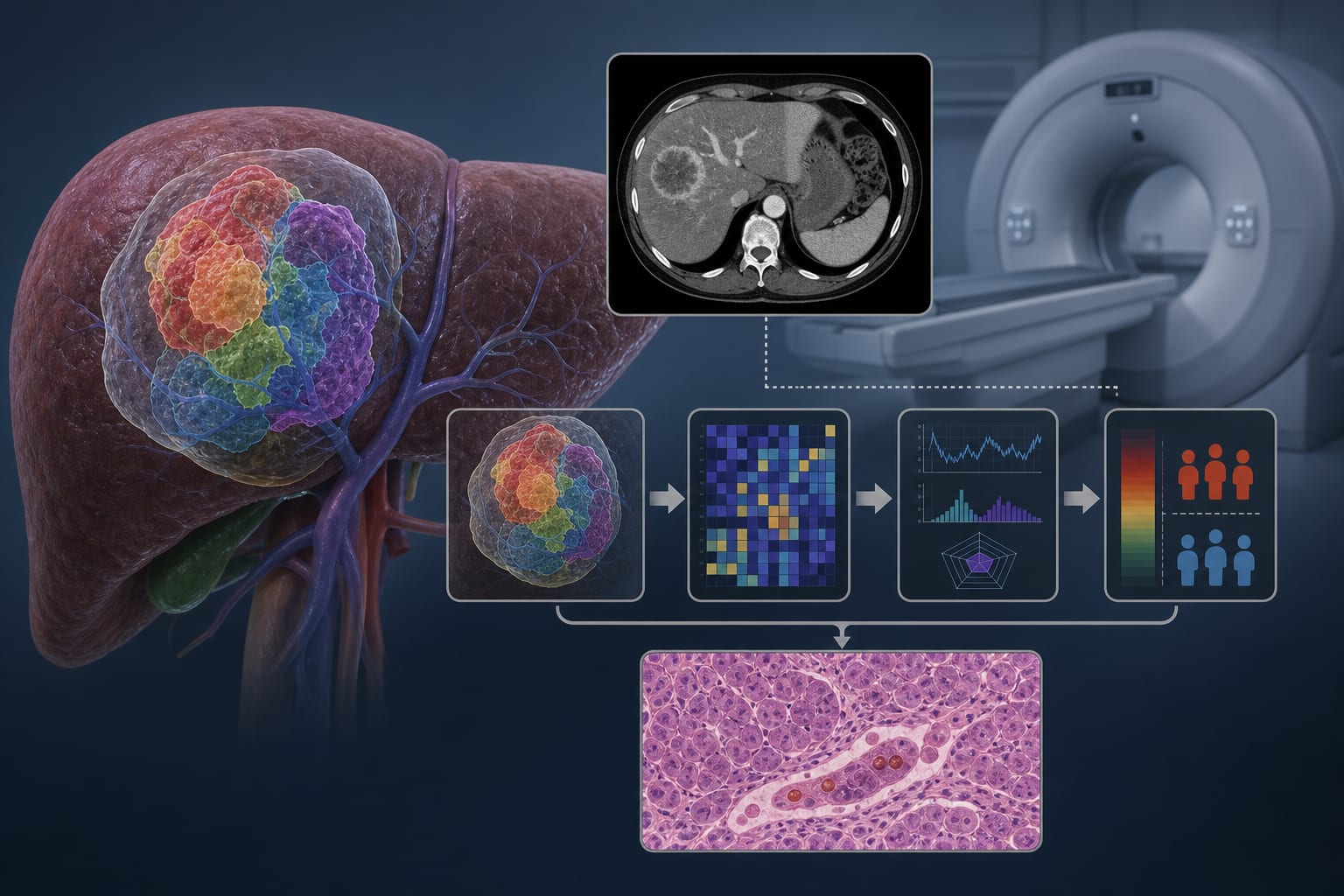
To investigate the prognostic relevance of CT- and angiography-defined contrast extravasation in patients with acute bleeding undergoing transarterial embolization (TAE), highlighting its potential impact on clinical decision-making.
Key Findings:
Contrast extravasation volume may correlate with bleeding severity and clinical outcomes, suggesting its utility in risk stratification.
CT scans have high sensitivity for detecting acute bleeding but have limitations in certain cases, necessitating further investigation.
The study highlights the need for validation of prognostic markers derived from imaging to enhance clinical applicability.
Interpretation:
The amount of contrast extravasated could serve as a significant prognostic marker for patients undergoing TAE, potentially guiding clinical decision-making and improving patient outcomes.
Limitations:
Lack of validation for the formula used to assess contrast extravasation, indicating a need for future studies to confirm its reliability.
Uncertainty regarding the significance of contrast extravasation volume in bleeding from various localizations, suggesting further research is needed.
Conclusion:
Further examination and validation of contrast extravasation as a prognostic factor in acute bleeding are necessary to enhance patient stratification and outcomes, aligning with the growing trend of utilizing imaging for prognostic assessment.
by Hans-Jonas Meyer, Simon Riegelbauer, Matthias Mehdorn, Hans-Michael Tautenhahn, Uwe Scheuermann, Silke Zimmermann, Sebastian Ebel, Timm Denecke, Manuel Florian Struck