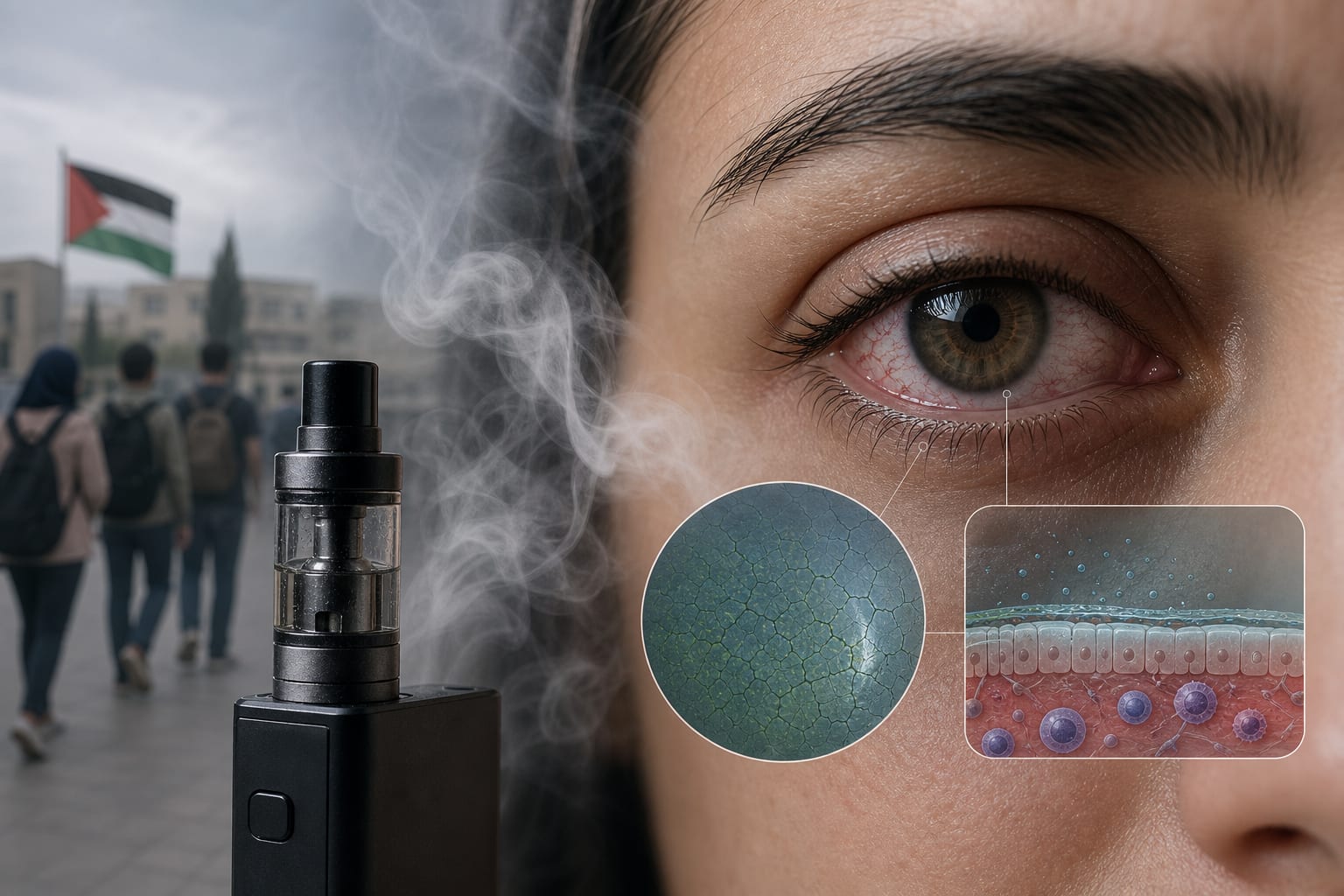
When Dry Eye Meets Contact Lenses
This article will delve into how to treat dry eye disease, and then explore how to refine selection and design of various contact lens modalities for patients with ocular surface disease.
By
ELISE KRAMER, OD, FAAO
November 1, 2025
Objective: To optimize contact lens success in patients with dry eye disease (DED) for eyecare practitioners.
Approach: Key Findings: DED affects millions and can significantly impair quality of life. Contact lenses may exacerbate symptoms of DED due to disruption of the tear film. Successful contact lens wear requires effective management of DED. Lid wiper epitheliopathy is common in symptomatic contact lens wearers. Point-of-care metrics can help identify patients at risk for contact lens intolerance. Interpretation: Effective management of DED is crucial for successful contact lens wear, requiring a tailored combination of treatment and appropriate lens selection.
Limitations: Variability in individual responses to treatments. Potential for misdiagnosis between evaporative and aqueous-deficient DED, particularly in mixed cases. Conclusion: Addressing DED before and during contact lens fitting, through tailored strategies, is essential for improving patient comfort and lens wear success.
Sources: