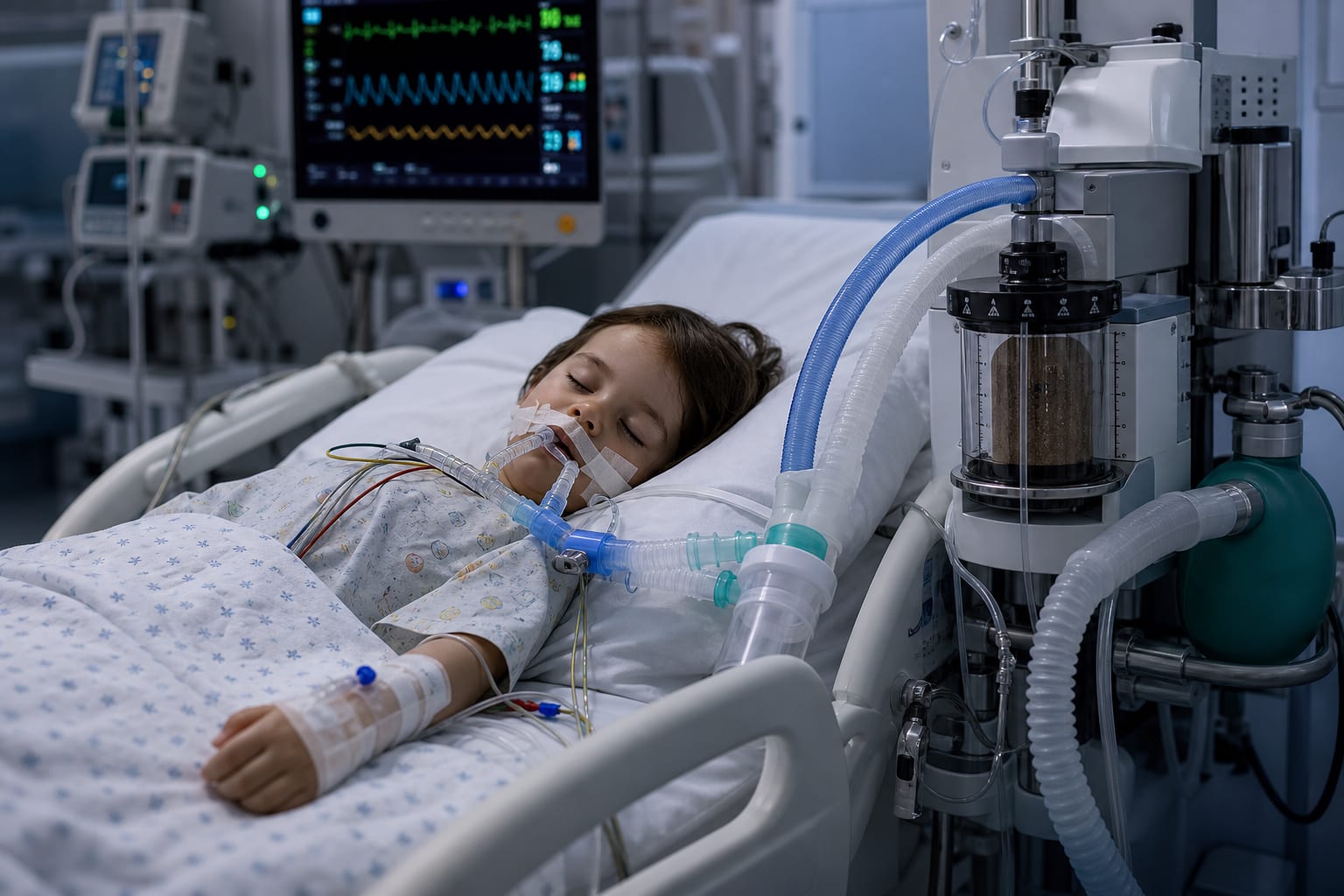
To explore the clinical characteristics, diagnosis, and treatment process of acute exogenous lipoid pneumonia (AELP) in children, emphasizing the significance of improving treatment efficacy and prognosis.
Key Findings:
Delayed visit group had lower oxygenation scores (P < 0.05), higher inflammatory markers, and longer hospital stays compared to the early visit group.
Oxygenation scores were lower in patients hospitalized for more than 7 days (P < 0.05).
11 out of 12 patients recovered, with follow-up imaging showing complete resolution within 2 weeks to 3 months.
Interpretation:
A longer interval between oil exposure and hospitalization is associated with worse clinical outcomes, highlighting the critical need for timely medical intervention.
Limitations:
Small sample size limits generalizability.
Retrospective design may introduce bias in data collection.
Potential for selection bias due to the retrospective nature of the study.
Conclusion:
AELP in children is primarily caused by accidental inhalation of lipids. Early diagnosis and intervention are crucial for improving outcomes, with monitoring of oxygenation scores potentially serving as a predictor for hospital stays.