To analyze the decline in ischemic heart disease deaths in the U.S. and identify modifiable risk factors contributing to mortality.
Approach:
Study Analysis: Systematic analysis of data from the U.S. National Vital Statistics System and the Global Burden of Disease study.
Key Findings:
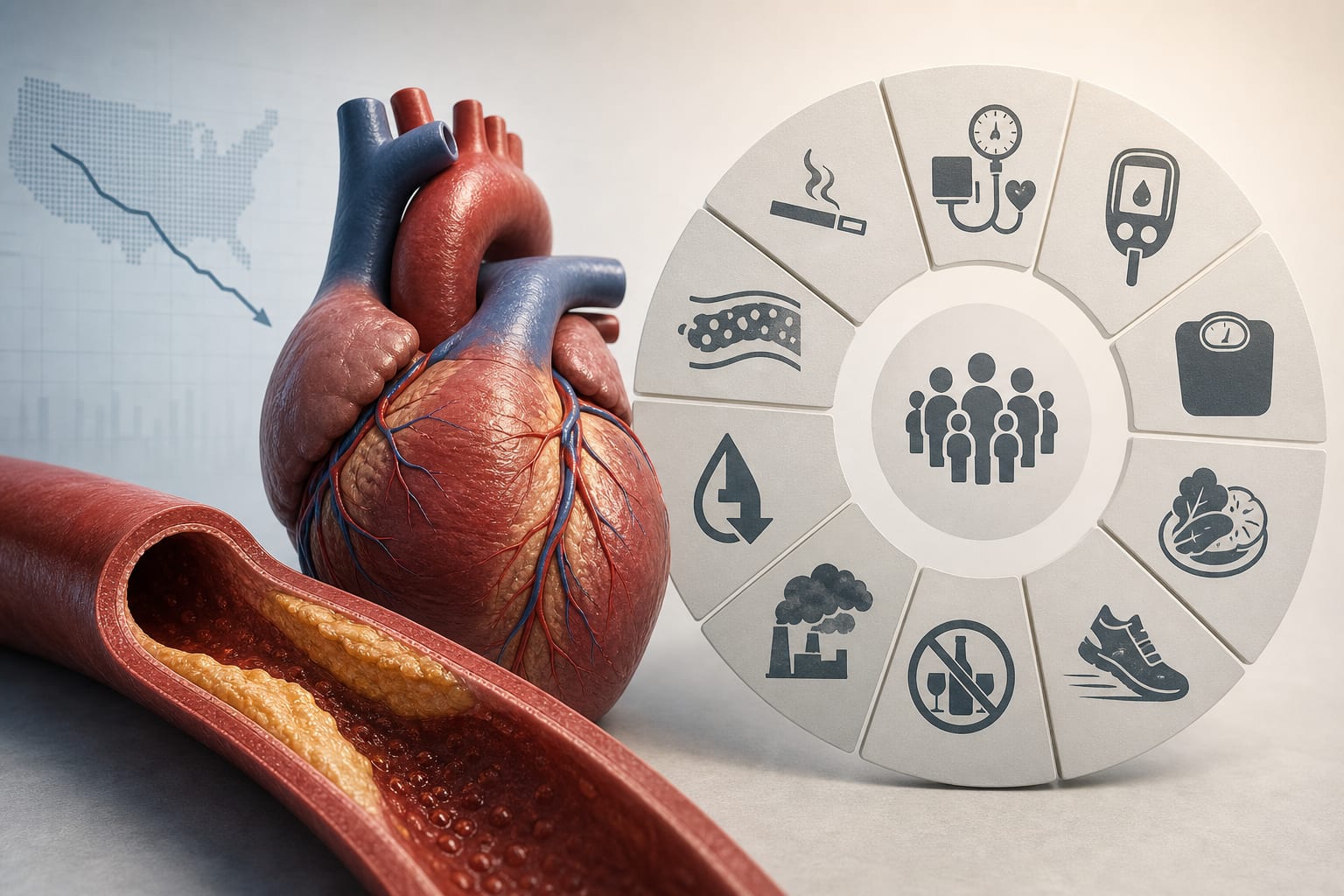
Deaths due to ischemic heart disease fell by more than half from 1990 to 2023.
88.8% of coronary artery disease deaths in 2023 were linked to modifiable risk factors.
Significant reductions in deaths from smoking (down 33.3%) and particulate air pollution (down 74.9%) were noted.
High blood pressure, poor diet, and high LDL cholesterol were major contributors to heart disease deaths.
Geographical disparities in coronary artery disease death rates were observed across states.
Interpretation:
Despite progress in reducing mortality rates from ischemic heart disease, significant challenges remain due to rising obesity and diabetes rates.
Limitations:
The study highlights correlations but does not establish causation.
Data may not fully capture all relevant risk factors or regional health disparities.
Conclusion:
Coronary artery disease is largely preventable through better management of risk factors, but ongoing efforts are needed to address rising obesity and diabetes rates.
Creatine's ATP-buffering trick isn't just for biceps. In mice, it juices up dendritic cells' energy supply, sharpening T-cell priming and shrinking tumors on daily injections. Human DCs got the memo too, at least in a dish. Early days, but a fun plot twist for gym-bag chemistry.