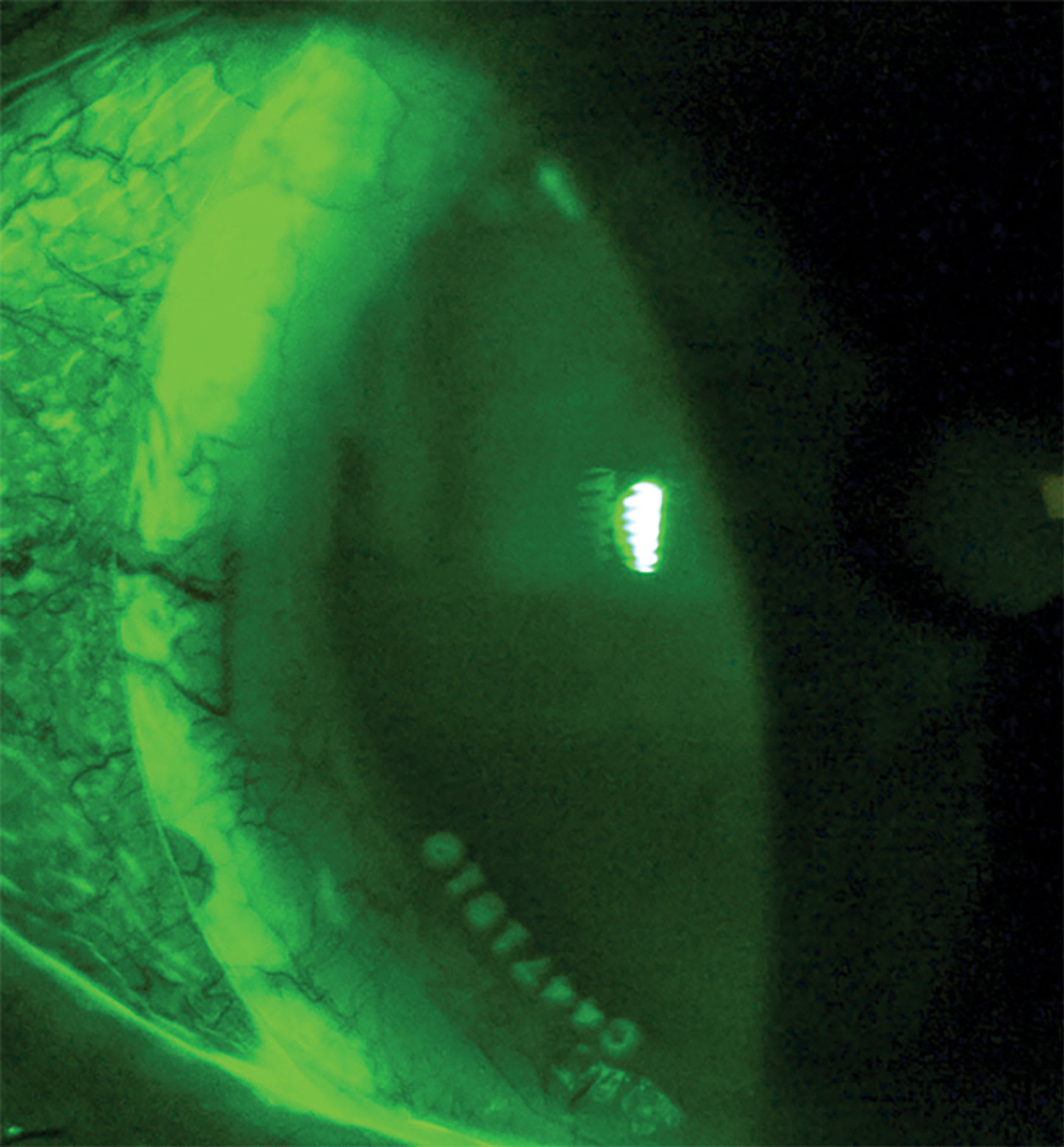
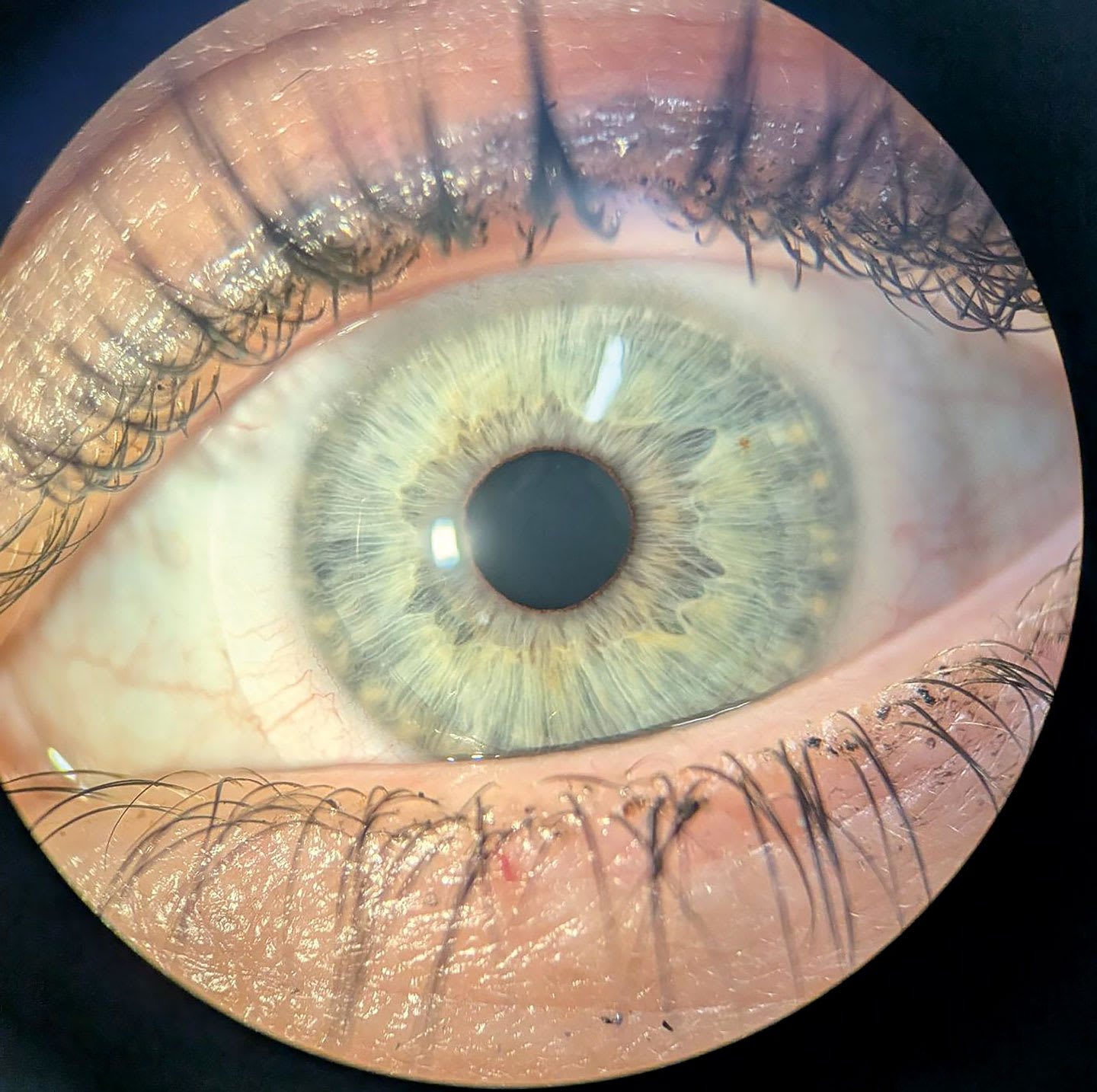
To emphasize the importance of managing dry eye and related conditions before fitting patients with specialty contact lenses, highlighting the potential dissatisfaction if left untreated.
Approach:
Key Findings:
Undiagnosed and undertreated dry eye, MGD, and blepharitis often lead to patient dissatisfaction with specialty lenses, underscoring the need for proactive management.
Validated questionnaires can help identify dry eye symptoms even if not the primary reason for seeking specialty lenses, enhancing patient awareness.
Effective management of ocular surface conditions is crucial for successful specialty lens fitting, and patient education plays a key role.
Interpretation:
Proactive management of dry eye and related conditions can significantly enhance patient satisfaction and outcomes with specialty contact lenses, potentially improving quality of life.
Limitations:
The article does not provide specific treatment protocols for dry eye management, which may hinder practical application.
It assumes practitioners are familiar with the use of questionnaires and ocular surface assessments, which may not be the case for all.
Conclusion:
Addressing dry eye and lid conditions prior to fitting specialty lenses can lead to improved patient experiences and outcomes.