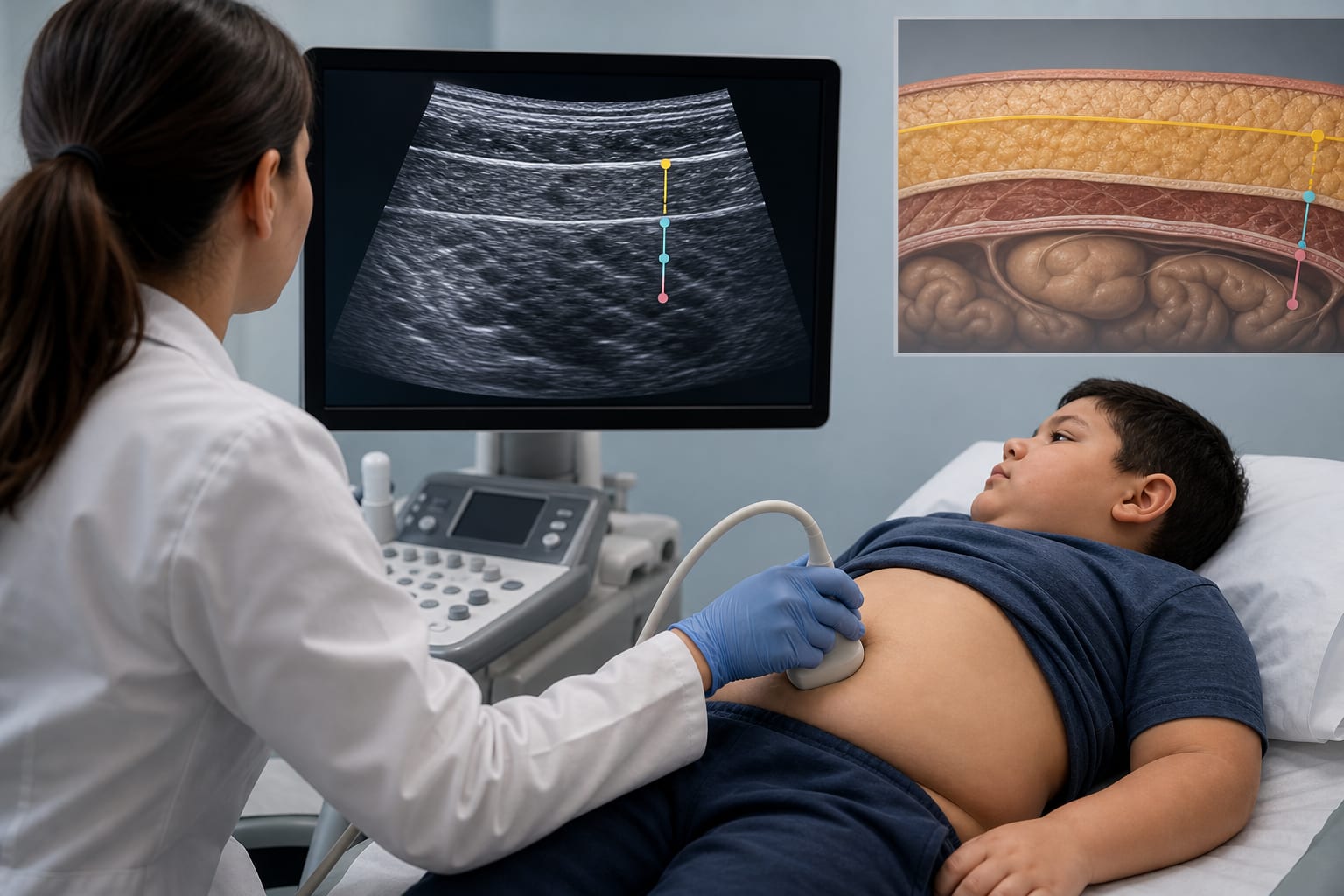
To highlight the underestimation of obesity's contribution to cancer risk due to measurement limitations in epidemiologic studies.
Key Findings:
Prediagnostic weight loss can lead to underestimation of BMI in cancer patients.
Single-time-point BMI measurements do not reflect cumulative weight exposure.
Waist circumference may better capture risk associated with visceral fat in certain populations.
Population-attributable fraction for obesity-related gastrointestinal cancers increased from 7% to 18% after excluding early postrecruitment cases.
Interpretation:
Obesity's role in cancer development may be significantly underestimated, suggesting that prevention strategies could be more impactful than previously thought.
Limitations:
Current interventions have mixed evidence regarding their effectiveness.
Bariatric surgery may reduce risk for some cancers but could increase risk for colorectal cancer post-procedure.
Observational data on glucagon-like peptide-1 receptor agonists indicate potential benefits but raise concerns about risks for certain cancers.
Conclusion:
There is a need for integrating obesity control into cancer prevention and public health frameworks, along with further research to clarify associations and improve risk assessment.