Reduction of in-hospital mortality after implementation of a pediatric trauma unit for children with moderate and severe trauma at Baca Ortiz Children's Hospital. Quito–Ecuador - Summary - MDSpire
Advertisement
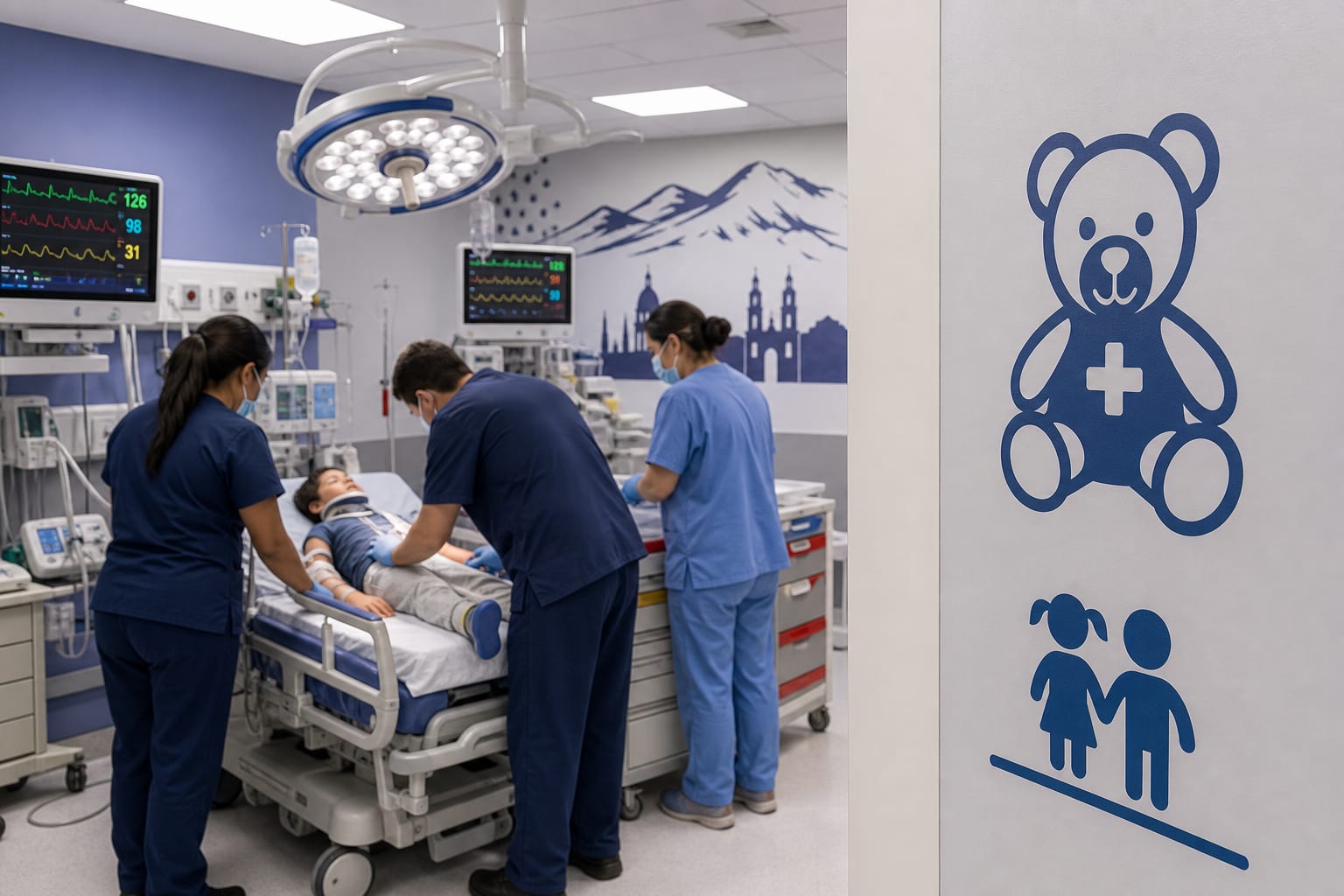
Reduction of in-hospital mortality after implementation of a pediatric trauma unit for children with moderate and severe trauma at Baca Ortiz Children's Hospital. Quito–Ecuador
To evaluate the impact of implementing a specialized Pediatric Trauma Unit on in-hospital mortality among children with moderate and severe trauma at Baca Ortiz Children's Hospital from [insert time frame].
Key Findings:
In-hospital mortality decreased from 16.3% pre-implementation to 3.3% post-implementation, indicating a significant improvement in patient outcomes.
Unit implementation was associated with an 88% reduction in the odds of death (adjusted OR 0.12; 95% CI 0.04–0.36; p < 0.001).
Survival among patients with abdominal trauma improved significantly after protocol implementation (p = 0.01), highlighting the effectiveness of the new protocols.
Interpretation:
The establishment of a specialized Pediatric Trauma Unit significantly reduced in-hospital mortality rates for children with moderate to severe trauma, indicating the effectiveness of specialized trauma care and its potential to improve outcomes in similar healthcare settings.
Limitations:
Retrospective design may introduce bias.
Limited generalizability due to the study being conducted in a single hospital, and potential confounding factors that were not controlled for.
Conclusion:
The implementation of a Pediatric Trauma Unit at Baca Ortiz Children's Hospital led to a significant reduction in in-hospital mortality, supporting the need for specialized pediatric trauma care systems in similar healthcare environments.
FOXC1 duplications were the second most common monogenic finding among genetically solved juvenile open-angle glaucoma cases in one registry, supporting the use of copy-number variant analysis in early-onset glaucoma testing.