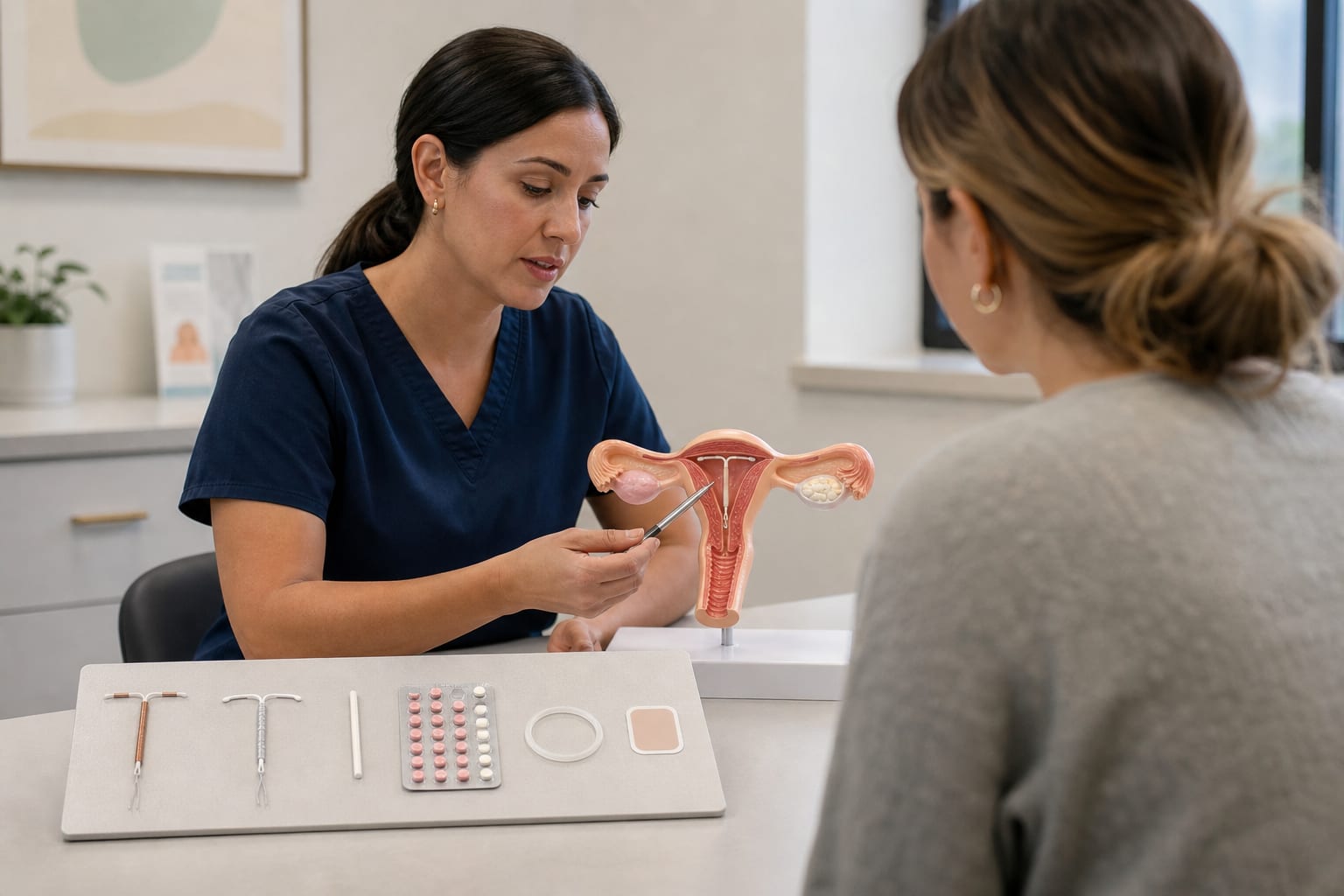
To assess contraceptive continuation and pregnancy risk over 3 years among participants receiving patient-centered counseling and same-day access to various contraceptive methods.
Approach:
Key Findings:
Participants had access to 7 different highly effective reversible contraceptive methods.
The initiative aimed to reduce cost-related barriers to contraceptive access.
Pregnancy rates were anticipated to align with previously published typical-use failure rates.
Interpretation:
The HER Salt Lake Initiative builds on previous research to evaluate the effectiveness of patient-centered contraceptive counseling and access to methods over an extended period.
Limitations:
The study did not cover certain contraceptive methods like tubal ligation and vasectomy.
Potential biases in self-reported data from participants.
Conclusion:
The study provides insights into contraceptive method uptake, switching, and pregnancy risk in a population receiving comprehensive contraceptive care.