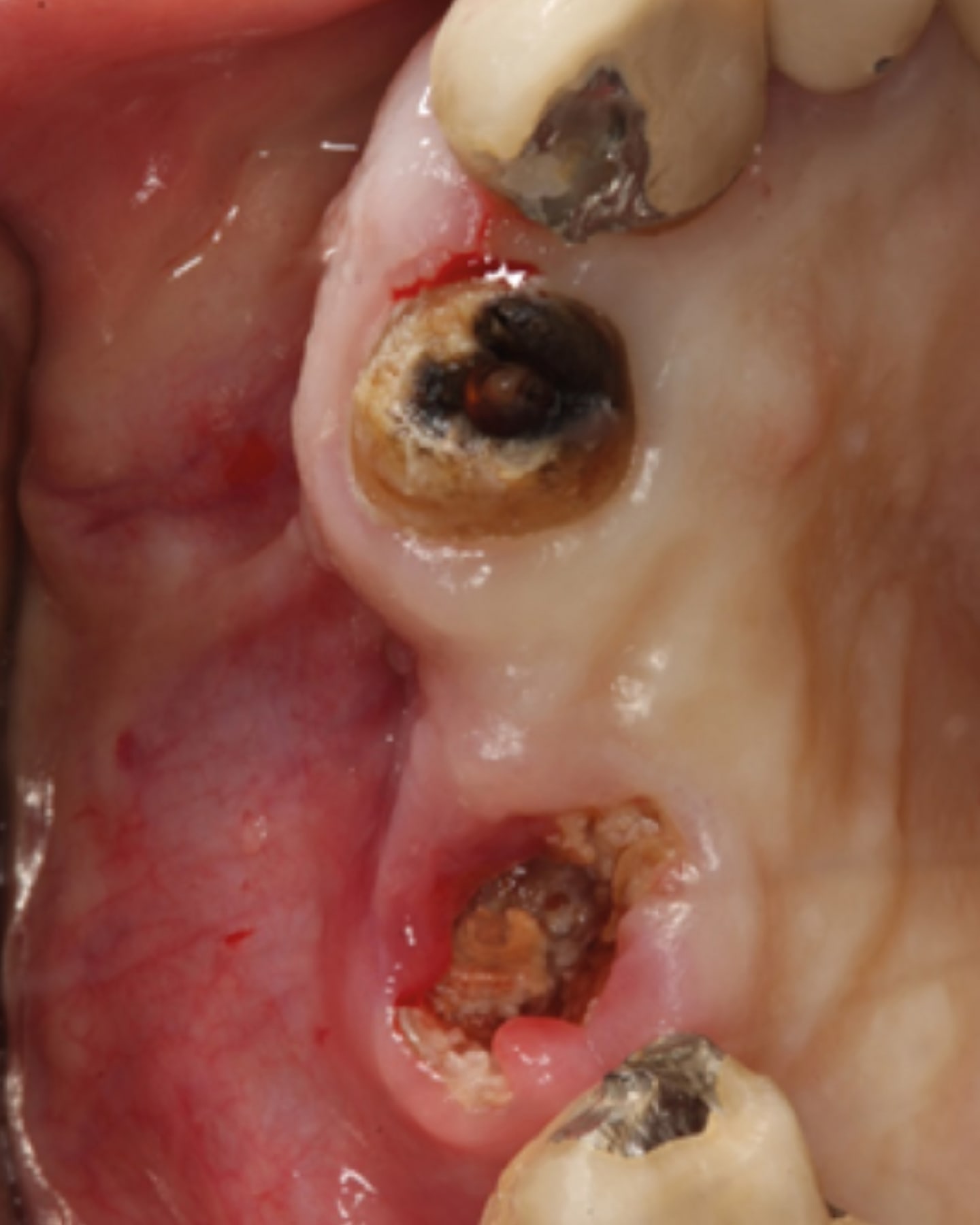
To address the clinical challenges of replacing over-retained deciduous maxillary canines in the absence of permanent teeth, focusing on achieving ideal esthetics for improved patient satisfaction.
Key Findings:
Maxillary canine agenesis prevalence is higher in the Chinese population (0.69%) compared to the general population (0.07-0.13%).
Block grafting is effective for ridge augmentation, with studies showing high survival rates for lateral and vertical augmentation procedures.
Interpretation:
The use of allergenic block grafting is advantageous for ridge reconstruction, avoiding the need for a second surgical site, while still providing adequate support for implant placement; a comparison with autogenous grafting outcomes could enhance understanding.
Limitations:
Dehiscence of soft tissue can occur with block grafts, requiring careful contouring and fit; strategies to mitigate this should be considered.
Custom-made grafts increase costs without significant benefits for experienced operators.
Conclusion:
A comprehensive treatment plan involving orthodontics and grafting can effectively address esthetic concerns and functional deficiencies in patients with over-retained deciduous canines, emphasizing the importance of patient-centered care.