Immunomodulation for stroke-associated pneumonia: a systematic review of mechanistic insight and emerging therapeutic strategies in animal models - Summary - MDSpire
To systematically summarize key cellular and molecular immune mechanisms underlying the development and progression of stroke-associated pneumonia (SAP) and to critically discuss current pharmacological strategies targeting the immune system for preventing or treating SAP.
Approach:
Search Strategy: Systematic search of PubMed, Scopus, Web of Science, and Embase for studies on immune mechanisms and immunomodulatory therapies for SAP, following PRISMA guidelines.
Eligibility Criteria: Included studies focused on experimental stroke models evaluating pulmonary inflammation or lung infection, immune mechanisms related to pneumonia post-stroke, and therapeutic approaches targeting the immune system.
Data Extraction: Data was independently extracted and verified by researchers from the included studies, focusing on various categories such as author, year of publication, animal species, model, and primary outcomes.
Key Findings:
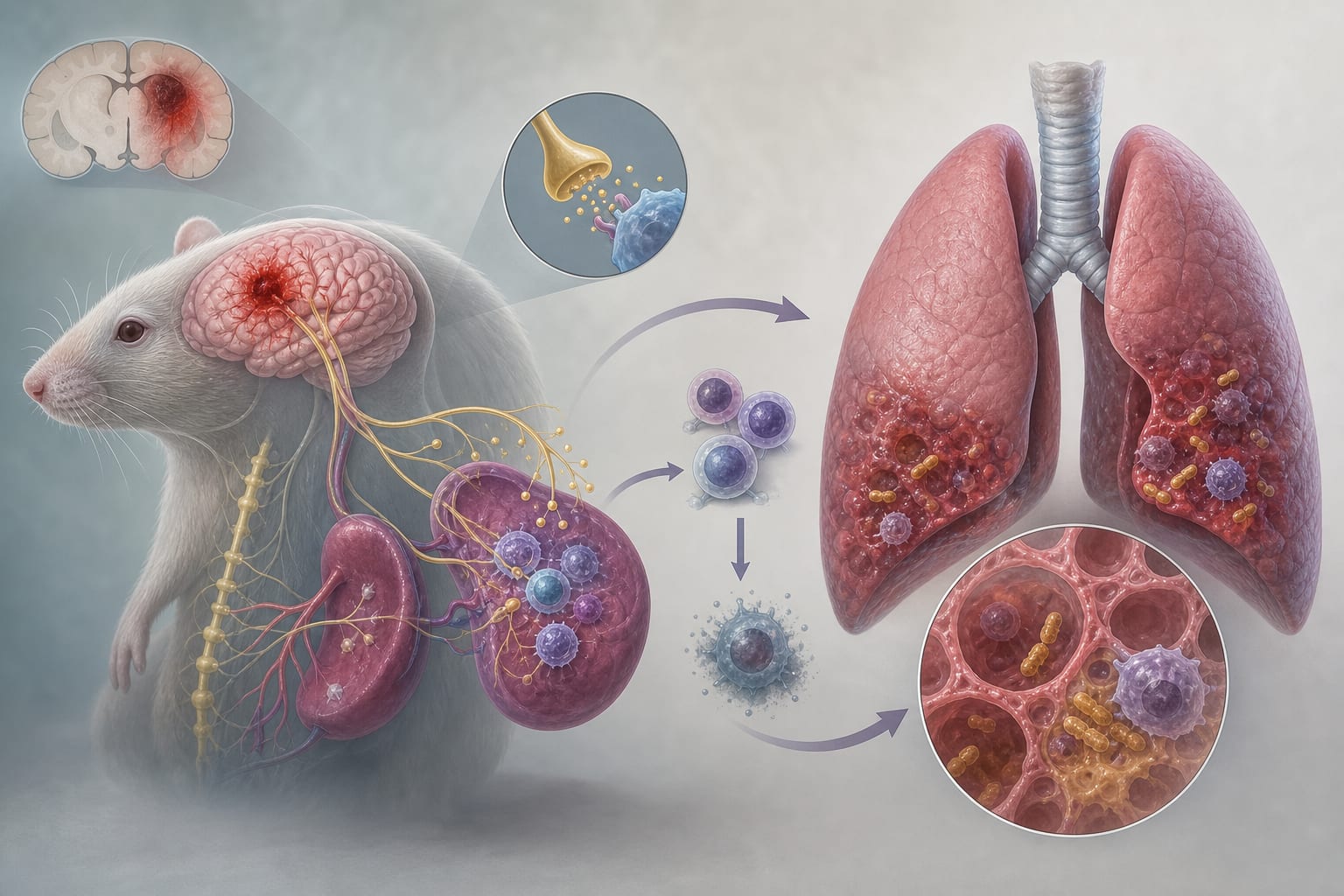
Stroke severity disrupts immune homeostasis, leading to SAP through a multi-layered network.
Systemic immunosuppression is primarily mediated by sympathetic nervous system overactivation, causing splenic atrophy and lymphocyte apoptosis.
Sustained activation of the cholinergic anti-inflammatory pathway may impair pulmonary antimicrobial defense.
Disruption of the gut-lung axis and local pulmonary alterations are implicated in SAP development.
Interventions targeting immune mechanisms, such as iNKT cell activators, show promise in preclinical models.
Interpretation:
The review synthesizes the mechanistic basis of SAP and identifies emerging immunomodulatory interventions, emphasizing the need for further validation of these strategies in clinical settings.
Limitations:
The review protocol was not prospectively registered, affecting transparency.
Most immunomodulatory strategies discussed remain experimental and require further validation for clinical application.
Conclusion:
The review highlights the urgent need for a systematic integration of existing evidence and the development of innovative strategies against SAP.