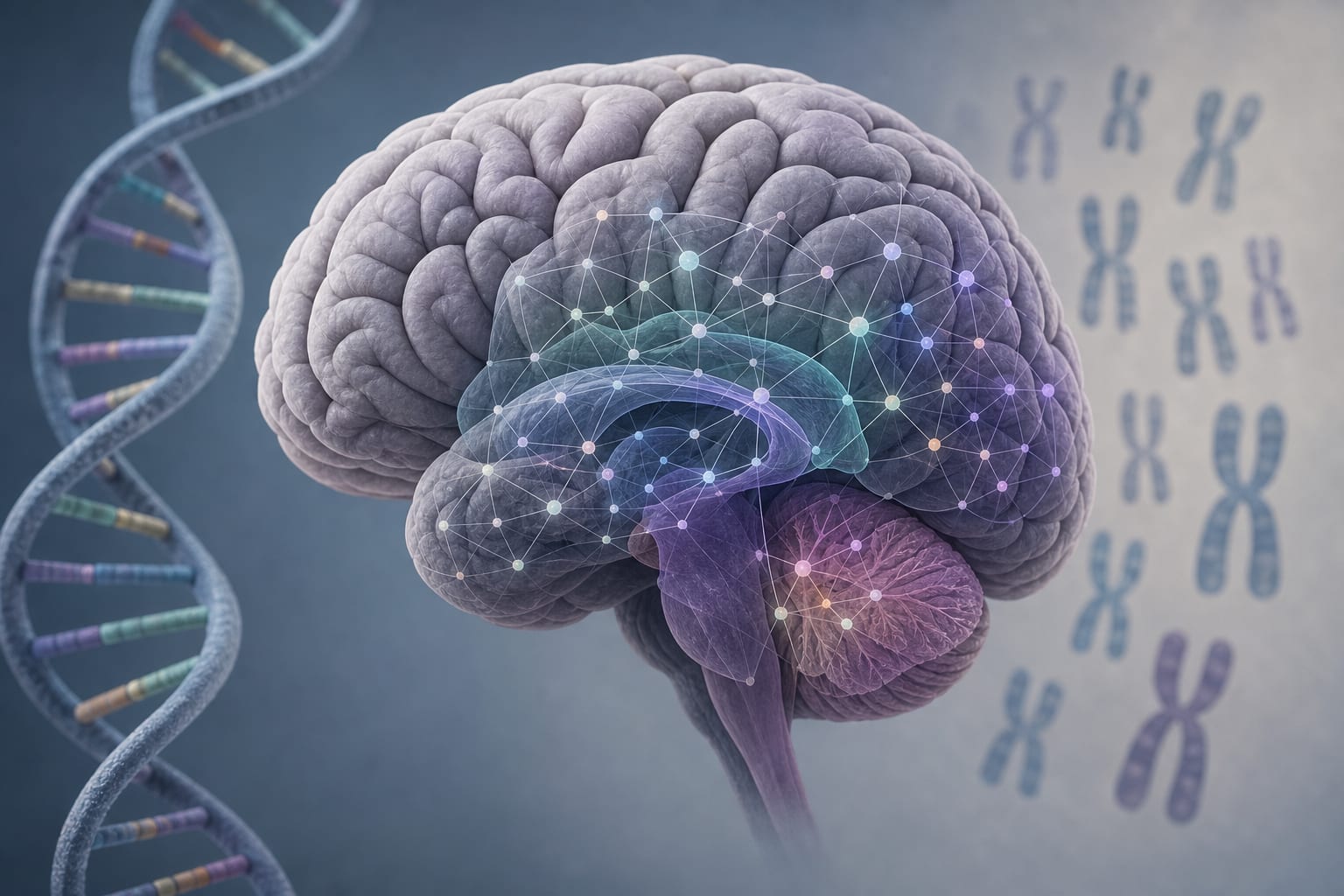
To explore the integration of genetic, physiological, developmental, and behavioral analyses in understanding psychiatric risks associated with genetic and chromosomal disorders, emphasizing their clinical relevance.
Key Findings:
Sleep disturbances in Down syndrome vary by age and are linked to different psychiatric correlates, suggesting the need for age-specific interventions.
Physiological markers like respiratory sinus arrhythmia have different predictive meanings across neurodevelopmental conditions, indicating the necessity for tailored assessments.
Genomic liabilities influence psychiatric outcomes through intermediate regulatory systems, underscoring the complexity of diagnosis.
Interpretation:
The findings suggest that psychiatric symptoms are shaped by complex interactions among genetic, physiological, and developmental factors, necessitating a more nuanced approach to diagnosis and treatment that is clinically applicable.
Limitations:
The studies may not fully capture the heterogeneity of psychiatric presentations across all genetic conditions, particularly in less common disorders.
Longitudinal data is needed to better understand the developmental trajectories of psychiatric symptoms, especially in diverse populations.
Conclusion:
A multilevel, person-centered approach is essential in psychiatric practice to incorporate genetic insights while remaining sensitive to the lived experiences of patients and families, ensuring that care is both ethical and responsive.
A large audit of biomedical publications suggests fabricated references are increasingly appearing in peer-reviewed papers — often in ways that are difficult for reviewers and readers to detect.