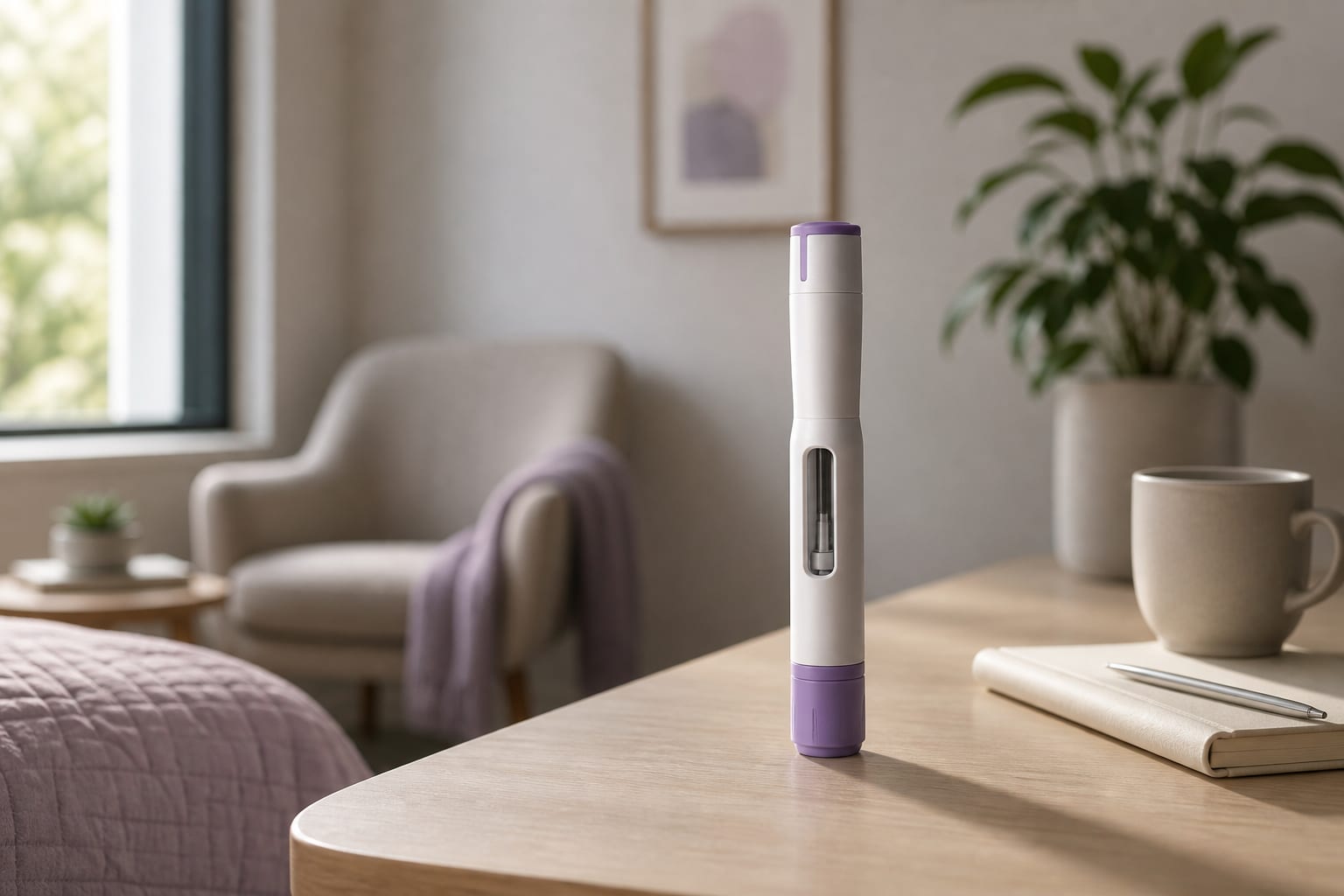
Home Leuprolide Appears Feasible, But Coverage Limits Access
-
By
-
Vishal R. Patel
-
Arjun Gupta
-
August 21, 2026
Objective:
This study aimed to explore the feasibility and acceptability of self-administering hormone-based treatments at home for patients diagnosed with hormone-dependent malignancies, specifically focusing on breast cancer patients receiving leuprolide.
Approach:
- Pilot Study: A pilot study was conducted with 24 breast cancer patients who were instructed on how to self-administer leuprolide injections at home following a nurse-led instructional visit. The study aimed to evaluate the practicality of home self-injection and the patients' willingness to continue this method of treatment.
Key Findings:
- Out of the 24 participants, 23 successfully completed at least one injection at home, indicating a high level of feasibility for self-administration.
- Notably, 75% of participants continued self-injections beyond the study period, with a significant trend observed among those residing more than 50 miles from the clinic, suggesting that distance from healthcare facilities may influence the adoption of home self-injection practices.
- Despite the positive outcomes, insurance-related barriers were a significant challenge; 30 out of 54 interested patients were unable to participate due to increased out-of-pocket costs associated with self-administration, highlighting a critical area for policy intervention.
Interpretation:
The results suggest that self-administration of hormone-based treatments at home is a feasible option for many patients, particularly those who may face logistical challenges in accessing healthcare facilities. The high rate of continued self-injection among participants indicates that once patients are equipped with the necessary skills and knowledge, they may prefer this method of treatment. However, the significant number of interested patients who were unable to participate due to insurance barriers underscores the need for systemic changes to facilitate access to home-based treatment options.
Limitations:
- The study's small sample size and its execution at a single suburban site with a socioeconomically advantaged population limit the generalizability of the findings.
- Additionally, the study did not assess the impact of factors such as health literacy, housing stability, and caregiver support on patients' ability to self-administer their treatment, which could provide further insights into the challenges faced by different patient populations.
Conclusion:
In conclusion, while the pilot study demonstrates the feasibility of home self-injection for hormone-dependent malignancies, it also highlights critical barriers that must be addressed to improve patient access and adherence. Future research should focus on larger, more diverse populations and investigate the influence of various social determinants of health on the self-administration of treatments. Addressing insurance-related challenges will be essential to fully realize the potential of home-based treatment solutions in enhancing patient care and reducing time commitments associated with clinic visits.
Sources:
Based on findings from:
The Cheapest Way to Save a Patient’s Time May Be One We Will Not Pay For
Vishal R. Patel, Arjun Gupta. Jama Network Open, 2026.
https://jamanetwork.com/journals/jamanetworkopen/fullarticle/2853163
This content is an AI-generated, fully rewritten summary based on a published scholarly article. It does not reproduce the original text and is not a substitute for the original publication. Readers are encouraged to consult the source for full context, data, and methodology.