To review the current literature assessing the relationship between autistic camouflaging and mental health.
Key Findings:
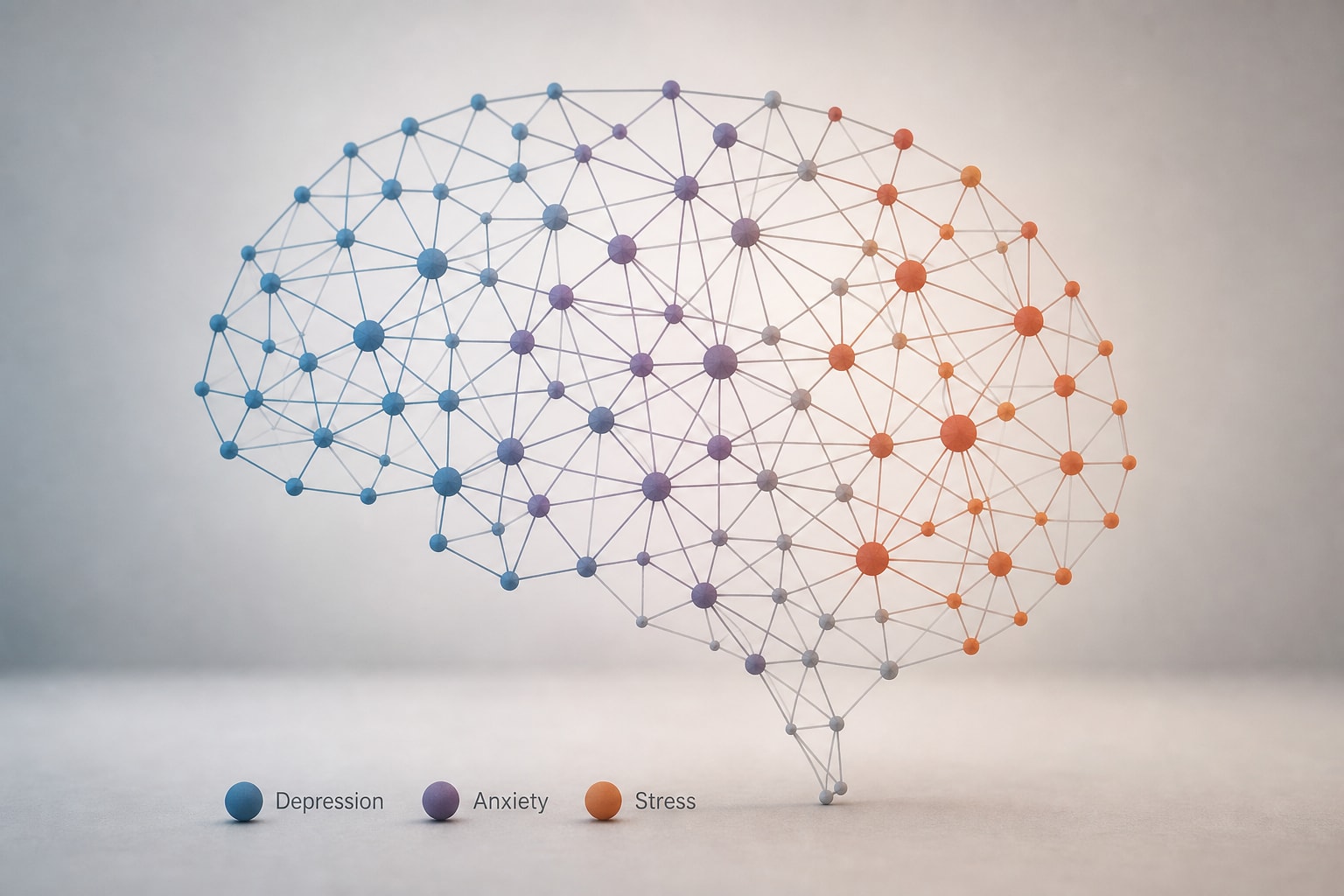
A total of 48 studies were selected, indicating a positive relationship between camouflaging and poor mental health.
Effect sizes for the relationship ranged from small to large.
Mental health issues were more closely related to assimilation behaviors than to compensation or masking.
The relationship between camouflaging and mental health appeared to be bidirectional.
Non-autistic individuals exhibited similar relationships between camouflaging and mental health.
Interpretation:
Camouflaging is associated with poor mental health outcomes, suggesting caution in promoting camouflaging behaviors, particularly assimilation, in interventions to avoid exacerbating mental health issues.
Limitations:
The review is limited by the lack of a universal definition of camouflaging, which may affect the generalizability of the findings.
The Camouflaging Autistic Traits Questionnaire (CAT-Q) is only validated for ages 16 and older.
Conclusion:
Future research is needed to further explore the relationships between camouflaging and mental health, especially in non-autistic samples, to enhance understanding and intervention strategies.