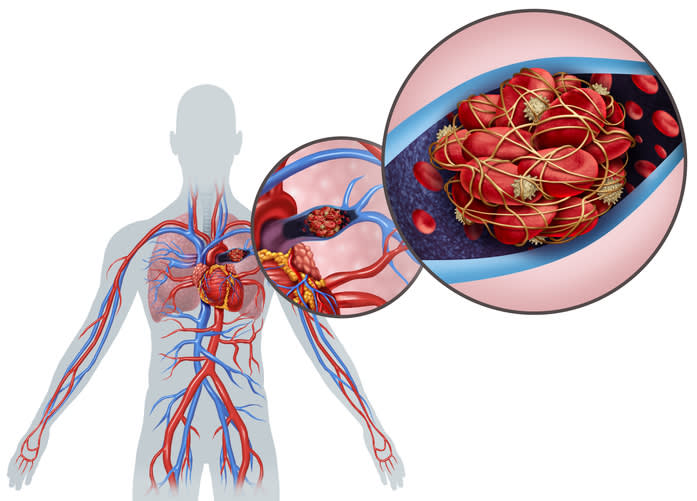
To enhance vessel segmentation in 3D medical imaging by addressing significant limitations of conventional computational approaches through advanced geometric-topological transfer learning techniques.
Key Findings:
Conventional voxel-wise methods struggle with topological consistency and suffer from fragmentation in delicate vascular segments, leading to inaccuracies.
The proposed FlowAxis approach effectively captures continuous geometric properties essential for accurate vessel characterization, as demonstrated in comparative studies.
The integration of optimal transport theory facilitates principled transfer learning, addressing domain shifts in imaging characteristics and improving adaptability.
Interpretation:
The study presents a significant advancement in vessel segmentation by leveraging geometric and topological principles, overcoming limitations of traditional methods and enhancing accuracy in diverse imaging scenarios, which could lead to better patient outcomes.
Limitations:
The complexity of implementing the proposed methodology may limit its immediate applicability in clinical settings, requiring specialized training.
Further validation is required across a broader range of imaging modalities and patient demographics to ensure generalizability.
Conclusion:
The advanced geometric-topological transfer learning techniques proposed in this study represent a transformative approach to vessel segmentation, promising improved accuracy and robustness in 3D medical imaging, with potential implications for enhanced patient care.