To summarize recent advances in embryo development and the embryo-endometrial interface and their implications for reproductive biology.
Key Findings:
Pan et al. provided insights into human organogenesis and developmental disorders, enhancing understanding of genetic mechanisms.
Lin et al. identified key regulators of endothelial differentiation, contributing to knowledge of vascular development.
Zhang et al. revealed genetic heterogeneity in reproductive failure, informing infertility diagnosis.
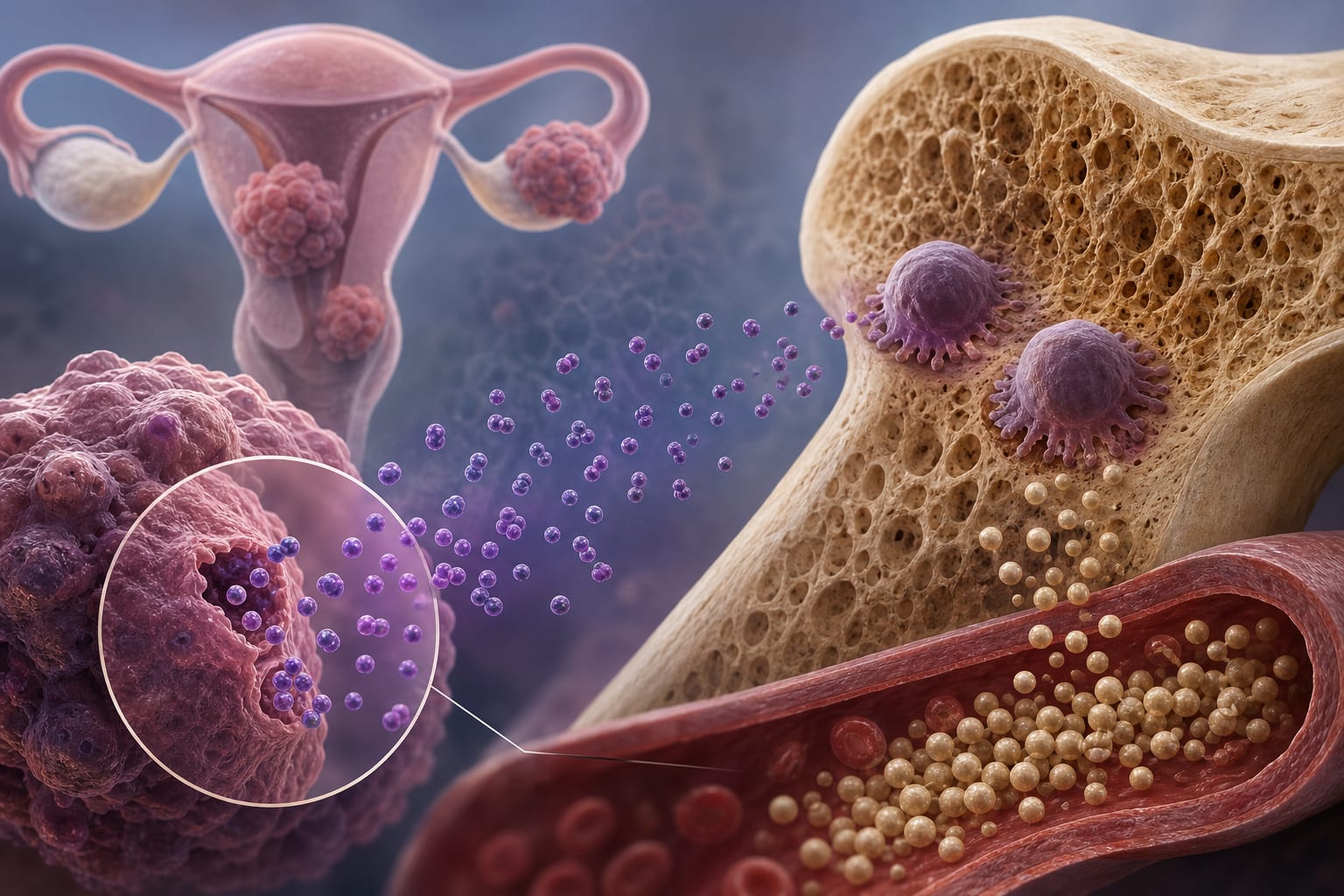
Molè et al. developed a model for studying embryo implantation, advancing research on early pregnancy establishment.
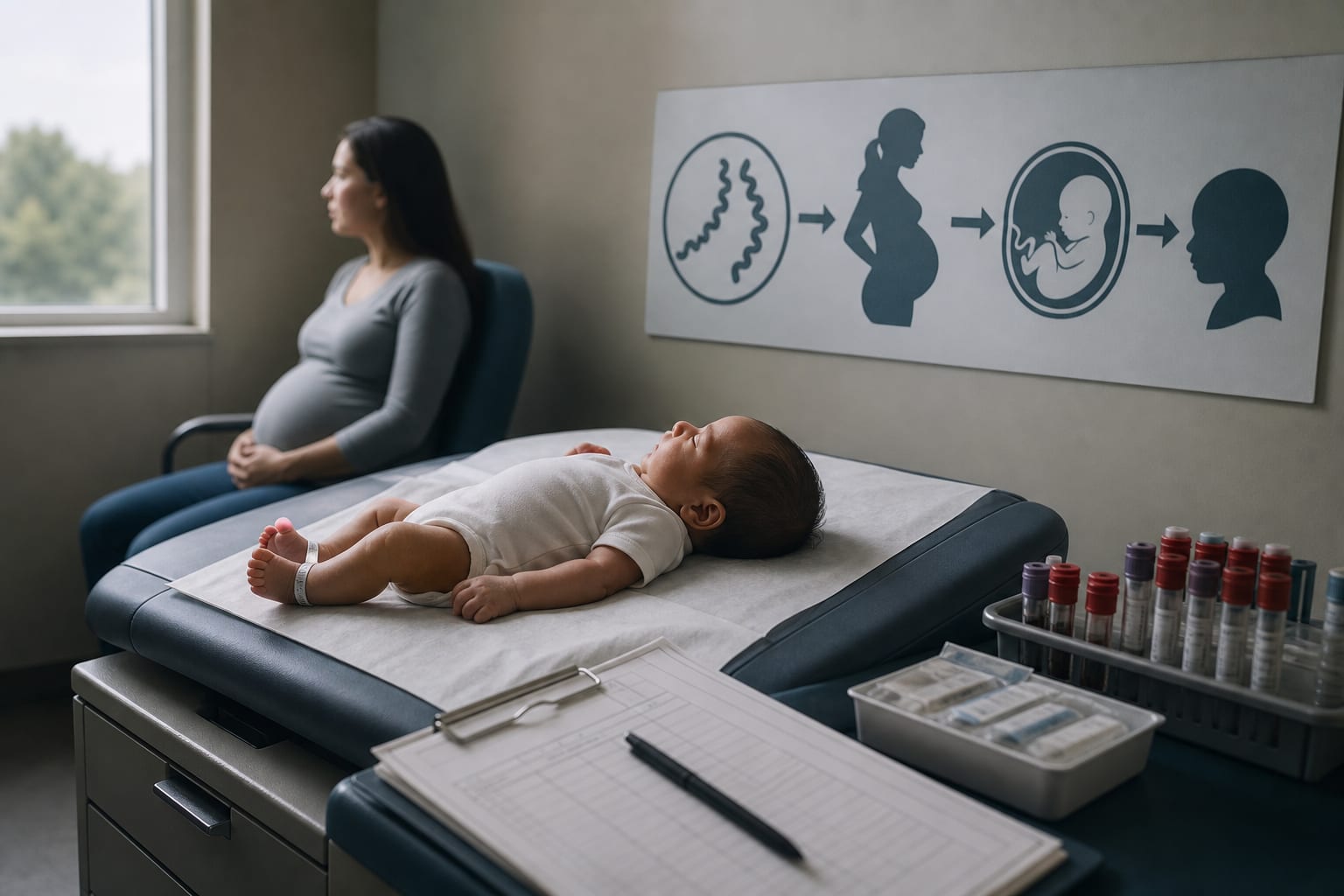
Fan et al. supported reproductive counseling for thalassemia risk, clarifying genetic implications.
Lang et al. highlighted the importance of blastocyst developmental speed, influencing embryo selection strategies.
Du et al. found endometrial thickness a prognostic marker in IUI, aiding clinical decision-making.
Huo et al. showed the context-dependent value of rapid cleavage, supporting stratified embryo assessment.
Interpretation:
The editorial discusses significant advancements in understanding embryo development and the embryo-endometrial interaction, highlighting the importance of genetic, molecular, and physiological factors in reproductive outcomes.
Limitations:
Limited accessibility of human implantation-stage embryos restricts research.
Need for prospective validation of findings, particularly regarding clinical implementation.
Conclusion:
Recent studies provide valuable insights into embryo development and implantation mechanisms, with significant implications for infertility diagnosis and assisted reproductive technologies.