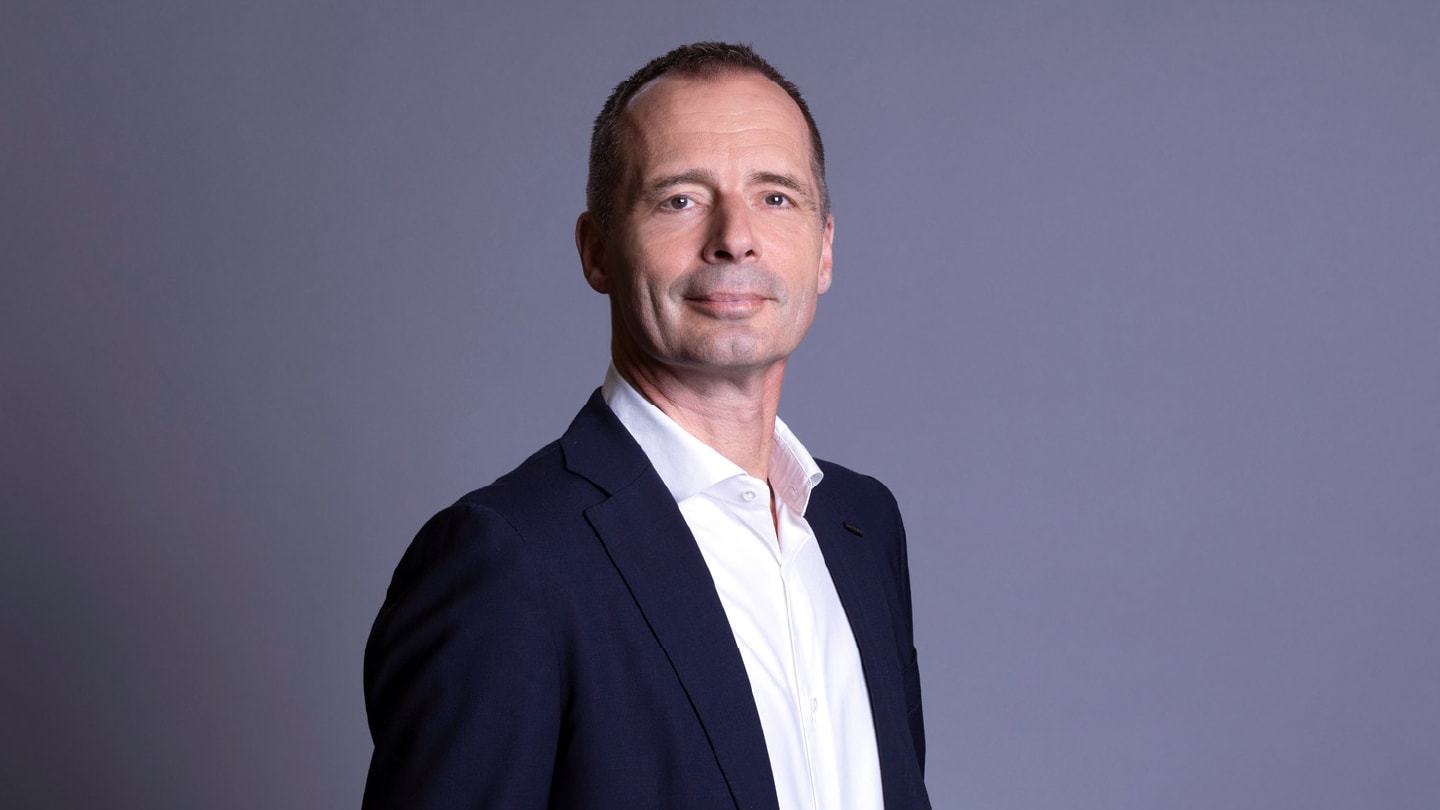
The article presents Erik Vaessen’s perspective on manufacturing challenges for cell and gene therapies, including scale-up, process development, and approaches that may support commercial production.
Approach:
Source: Interview with Erik Vaessen, Chief Business Officer at FUJIFILM Biosciences.
Focus: Manufacturing costs, process development, technology transfer, automation, supply chains, and future manufacturing strategies.
Key Findings:
High cost of goods, complex workflows, specialized labor, and biological variability complicate commercial-scale production.
Developers increasingly consider scalability, manufacturability, supply-chain robustness, and commercial viability earlier in development.
Technology transfer, reproducibility, operator training, raw-material variability, documentation, and GMP execution can make scale-up more difficult than expected.
Advances in cell-culture media and process development can support cell growth, productivity, and consistency across scales.
Vaessen identifies improved therapy efficacy, automation, and reliable supplies of media, buffers, and reagents as factors that could help address cost and scale challenges.
In vivo cell and gene therapies, including in vivo CAR-T and self-amplifying RNA approaches, may shift some manufacturing toward biologics and nucleic-acid platforms.
Interpretation:
Vaessen emphasizes planning for commercial manufacturing from the outset, with attention to transferability, process robustness, and supply-chain needs.
Limitations:
The material is an interview presenting one industry executive’s perspective.
The supplied context does not include quantitative estimates of manufacturing costs or efficiency.
Conclusion:
The interview describes early process development, automation, consistent inputs, and emerging manufacturing strategies as important considerations for scaling cell and gene therapies.