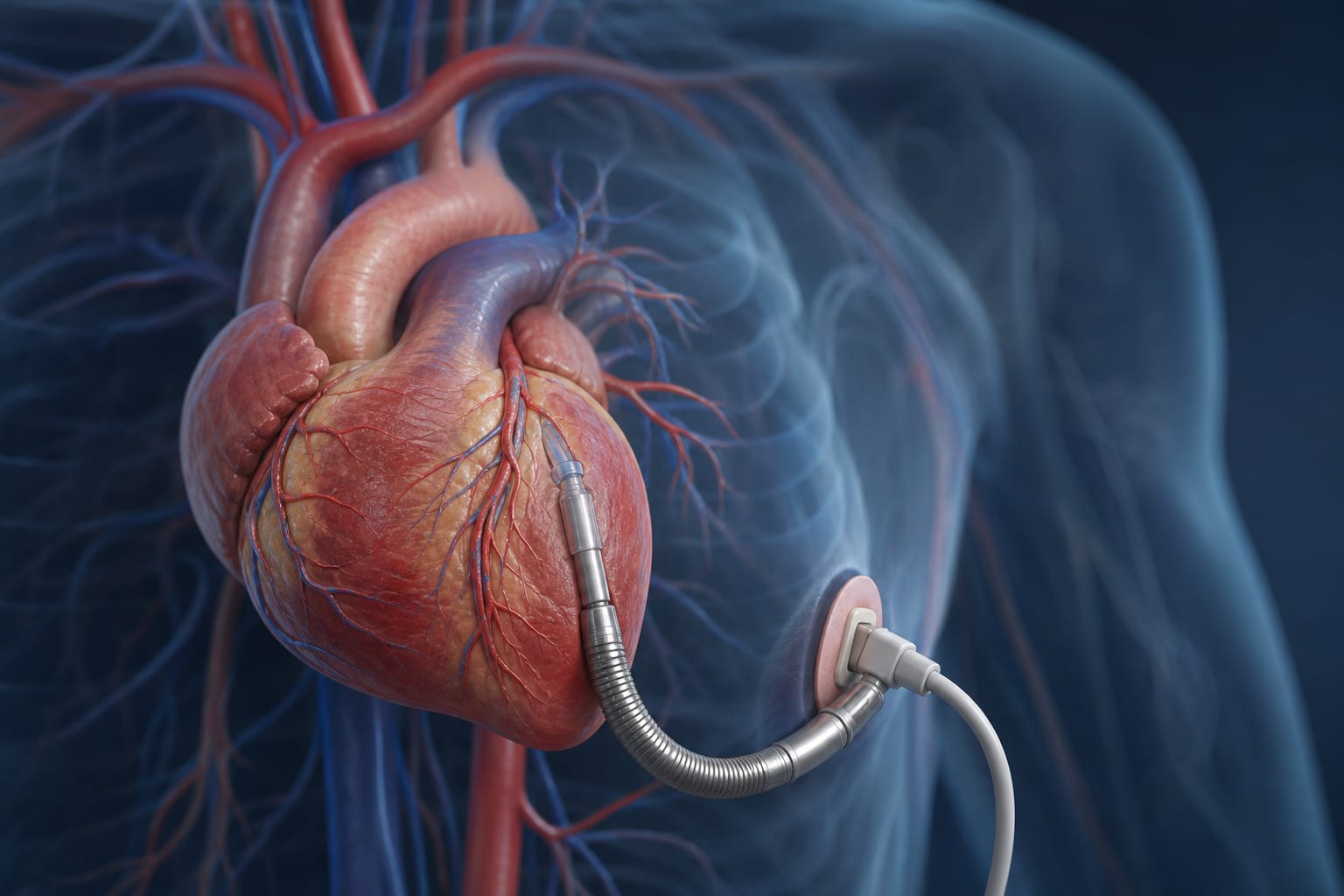
To assess the prevalence of atrial functional mitral regurgitation (AFMR) and its correlation with all-cause mortality among patients with heart failure with preserved ejection fraction (HFpEF) and end-stage renal disease (ESRD) receiving hemodialysis, highlighting its prognostic significance.
Key Findings:
AFMR was associated with significantly increased all-cause mortality (25.6% vs. 12.3%, P = 0.0070).
AFMR was identified as an independent predictor of all-cause mortality (HR: 2.456; P = 0.0090).
Even mild AFMR was linked to an elevated risk of mortality (HR: 2.155; P = 0.0150).
Moderate to severe AFMR correlated with a higher incidence of cardiac function decline compared to non-AFMR and mild AFMR cohorts (HR: 4.041; P = 0.026).
ANP concentrations were significantly higher in the AFMR cohort, indicating its potential as a biomarker for AFMR (AUC = 0.73).
Interpretation:
AFMR is prevalent in patients with HFpEF and ESRD on hemodialysis and is associated with worse outcomes, emphasizing the need for early recognition and management to improve patient prognosis.
Limitations:
The study was conducted at a single center, which may limit generalizability and introduce biases.
Retrospective design may introduce biases in data collection and interpretation.
Conclusion:
AFMR is linked to increased mortality and worsening cardiac function in patients with HFpEF and ESRD. ANP may serve as a useful biomarker for identifying AFMR.