Case Report: sustained five-year remission in eosinophilic granulomatosis with polyangiitis with intestinal perforation after surgery and rituximab-based therapy without glucocorticoid escalation - Summary - MDSpire
Advertisement
Case Report: sustained five-year remission in eosinophilic granulomatosis with polyangiitis with intestinal perforation after surgery and rituximab-based therapy without glucocorticoid escalation
To report a case of Eosinophilic Granulomatosis with Polyangiitis (EGPA) resistant to multiple immunosuppressive agents, including cyclophosphamide, highlighting the use of Rituximab (RTX) for treatment without increasing glucocorticoid doses.
Approach:
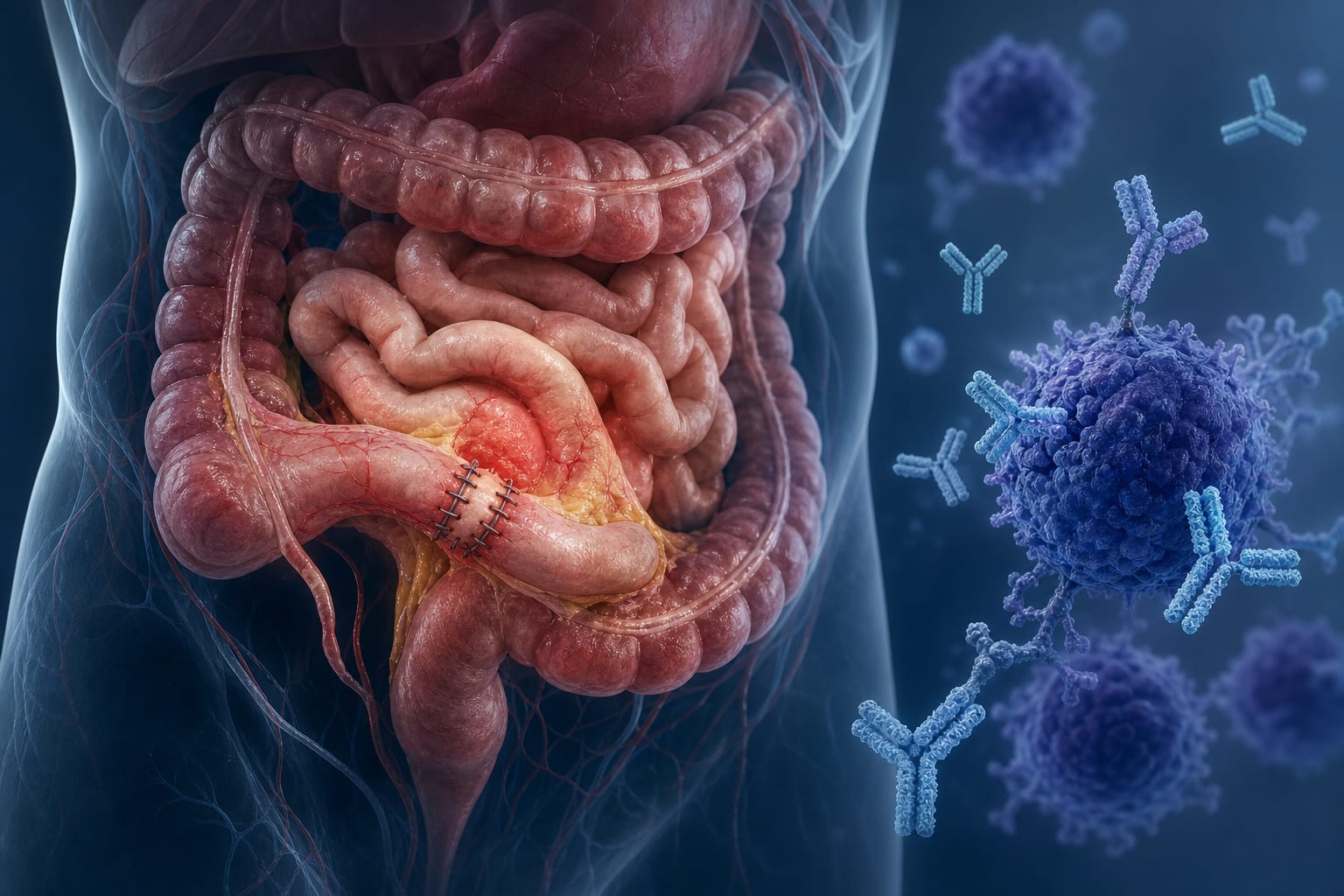
Case Report: A 63-year-old man with severe EGPA and gastrointestinal involvement underwent sigmoid colon resection due to intestinal perforation and was treated with RTX for remission induction and long-term maintenance.
Key Findings:
The patient achieved sustained remission for over five years with minimal glucocorticoid exposure.
Rituximab was effective in inducing remission without the need for glucocorticoid escalation during the perioperative period.
Interpretation:
This case suggests RTX may be a viable therapeutic option for severe or treatment-resistant EGPA with gastrointestinal involvement when glucocorticoid escalation is undesirable.
Limitations:
This is a single case report, limiting generalizability to the broader population.
No comparative studies were conducted to evaluate RTX against standard treatments.
Conclusion:
Rituximab may serve as an effective GC-sparing induction and maintenance therapy for EGPA, particularly in cases with GI involvement.