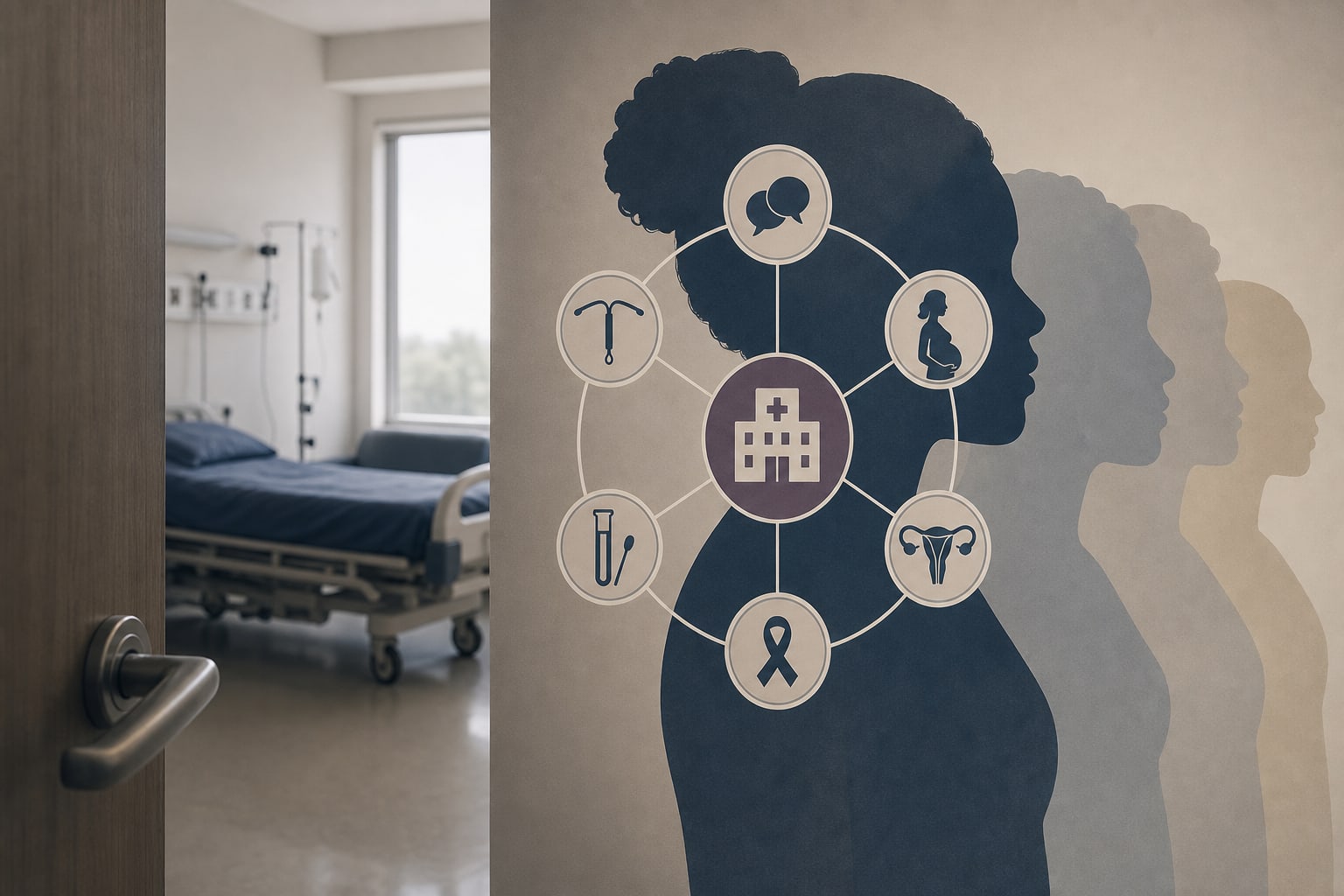
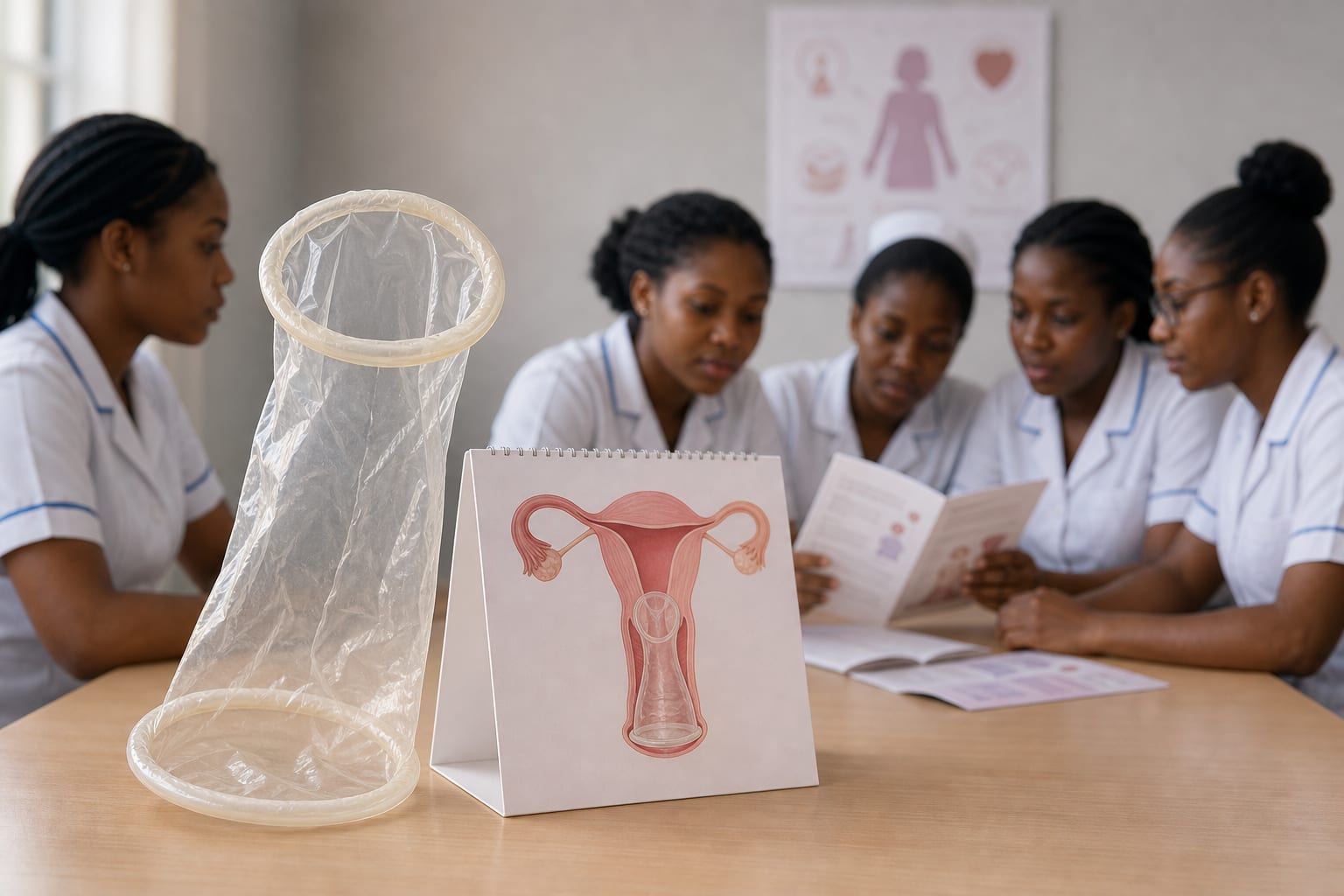
To highlight the persistent inequities in reproductive health care, particularly among marginalized groups, and propose the integration of reproductive health maintenance into inpatient hospital settings.
Approach:
Key Findings:
Reproductive health disparities persist, particularly among marginalized groups such as Hispanic individuals and those living below the federal poverty level.
Many patients do not receive adequate outpatient reproductive health care due to various barriers, including geographic and financial constraints.
Hospitalization presents a unique opportunity to address reproductive health needs that are often overlooked, especially for underserved populations.
Interpretation:
Inpatient settings can serve as critical points for addressing reproductive health maintenance, potentially improving care for underserved populations.
Limitations:
Implementation of proposed strategies requires systemic changes and may face institutional resistance; addressing these challenges will be crucial for success.
The effectiveness of these interventions in reducing disparities needs further evaluation, including pilot studies and feedback mechanisms.
Conclusion:
Integrating reproductive health into inpatient care workflows can help bridge gaps in service delivery and improve health outcomes for marginalized populations.