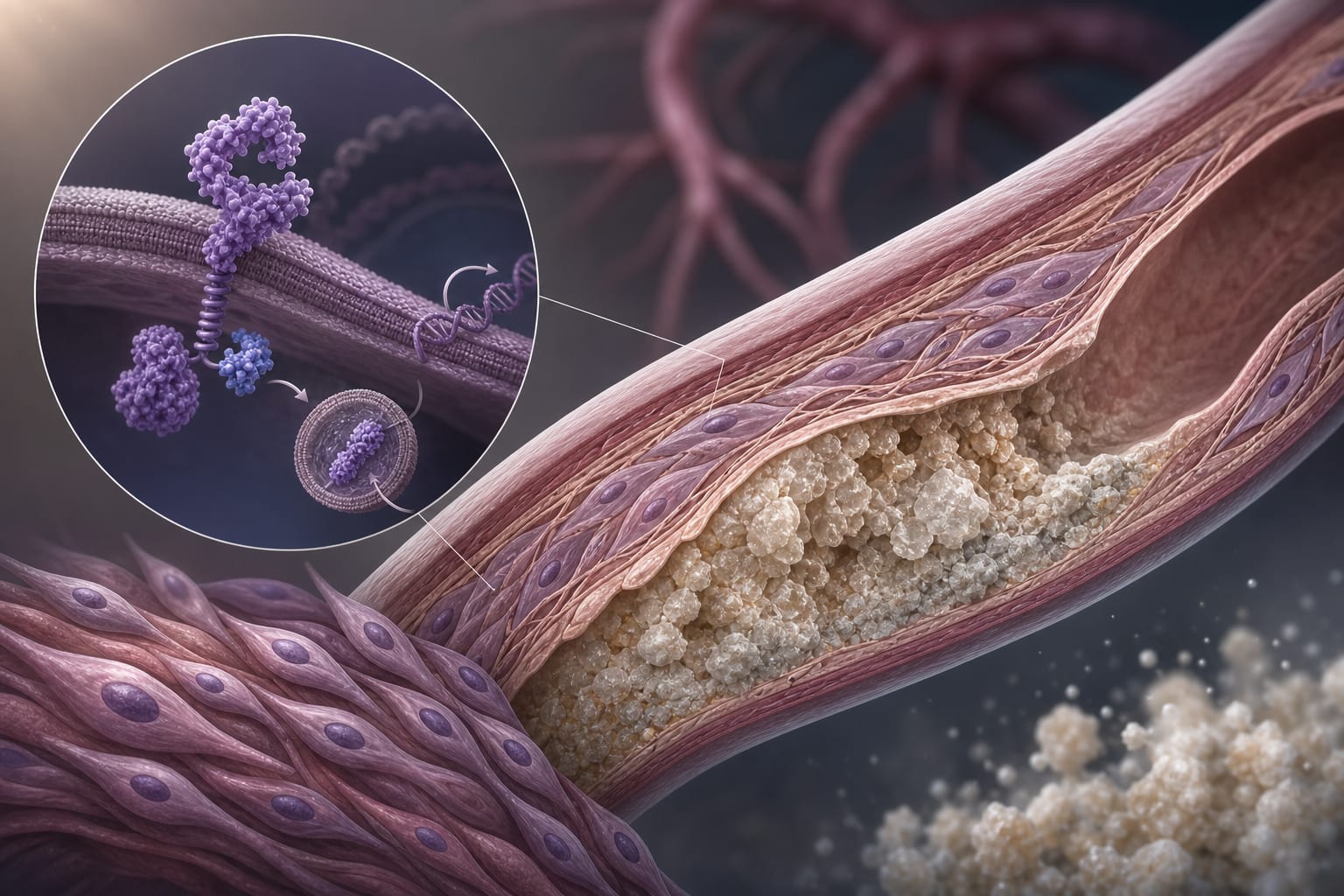
To examine relationships between CYP17A1 genotype and clinical presentation in a global cohort of patients with 17-OHD, highlighting the importance of these relationships for patient management.
Key Findings:
Mean age of patients was 18.9 years; 52.5% were XY and 6.4% were phenotypically male (n=465).
Homozygous variants were present in 48.0% of patients (n=465).
Common clinical presentations included hypertension (57.0%, n=465), hypokalemia (45.4%, n=465), primary amenorrhea (38.3%, n=465), cryptorchidism (15.3%, n=465), and atypical genitalia (14.2%, n=465).
Frequent variants included p.Y329Kfs (n=86), p.D487_F489del (n=44), and p.W406R (n=39).
More severe variants were associated with hypocortisolism, combined hypokalemia and hypertension, and disordered sexual development.
Interpretation:
17-OHD is a rare and often misdiagnosed condition, with male patients typically diagnosed earlier due to genital dysplasia, while females are diagnosed later due to primary amenorrhea and hypertension, which can lead to delayed treatment.
Limitations:
Limited information on genotype-phenotype relationships may affect the understanding of clinical presentations.
Potential biases in case reporting and data collection could influence the reliability of the findings.
Conclusion:
Patients presenting with disordered sexual development and hypertension should be investigated for 17-OHD, and specific diagnostic tests should be considered to confirm the diagnosis.