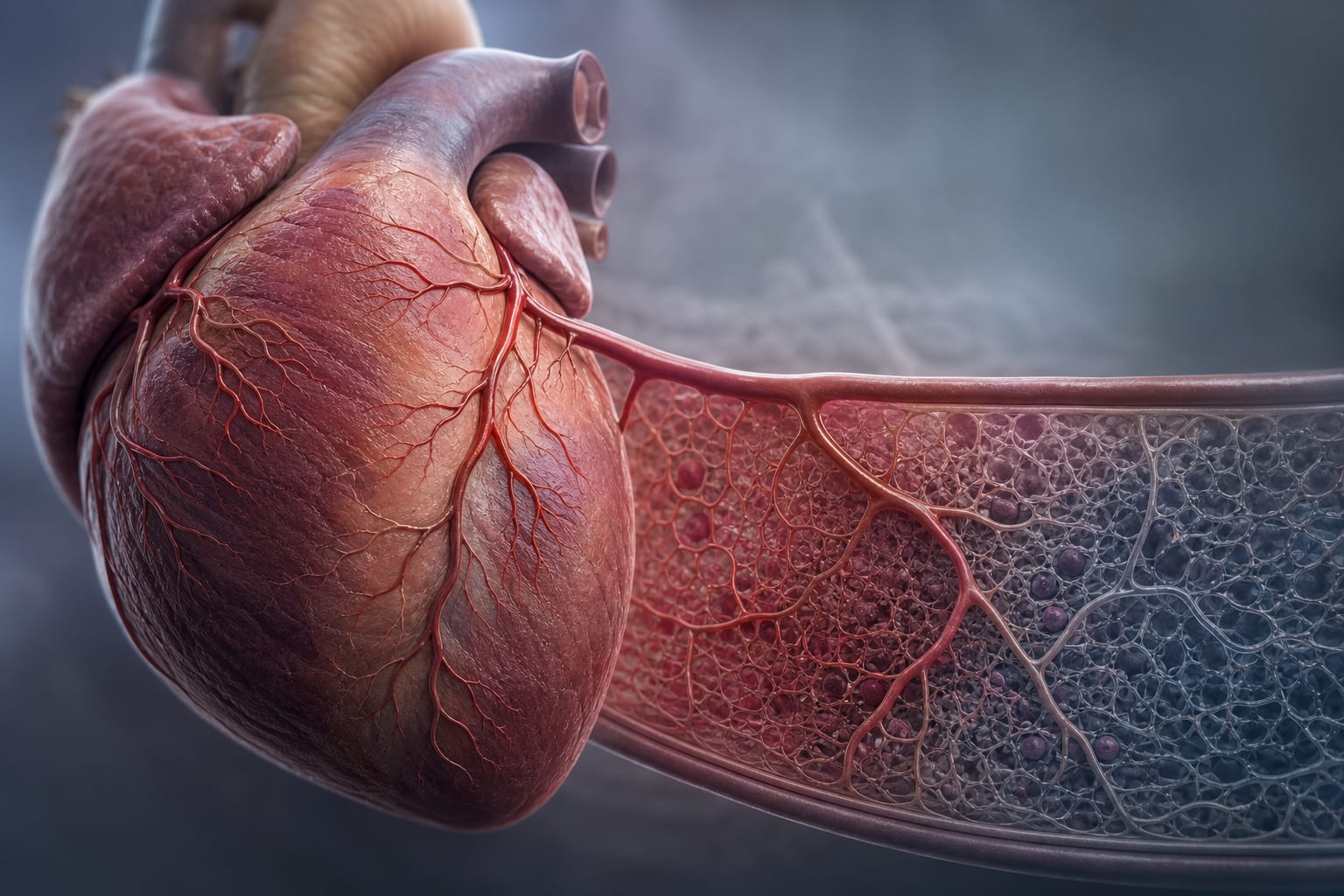
To explore the effects and underlying mechanisms of limonin on myocardial cell pyroptosis and inflammatory responses in mouse myocardial ischemia-reperfusion injury, emphasizing both its therapeutic potential and biological pathways involved.
Key Findings:
Limonin significantly inhibited OGD/R-induced pyroptosis and inflammatory factor release in AC16 myocardial cells, highlighting its protective role.
In vivo, limonin pretreatment improved cardiac function, reduced myocardial tissue damage, and inhibited apoptosis and fibrosis, indicating its therapeutic potential.
The protective effects of limonin are linked to the inhibition of the caspase-3/GSDME pathway, suggesting a novel mechanism of action.
Interpretation:
Limonin exhibits protective effects against myocardial I/R injury by targeting the caspase-3/GSDME pathway, suggesting its potential as a therapeutic agent for cardiac protection.
Limitations:
The study primarily focuses on animal models, which may not fully replicate human conditions, necessitating further validation.
Further research is needed to explore the long-term effects and safety of limonin in clinical settings, including human trials.
Conclusion:
Limonin may serve as a promising candidate for developing myocardial protection strategies by mitigating pyroptosis and inflammation in I/R injury.