To provide a comprehensive overview of the role of gut microbiota in colorectal cancer (CRC), focusing on cytokine regulation and the intestinal immune barrier.
Approach:
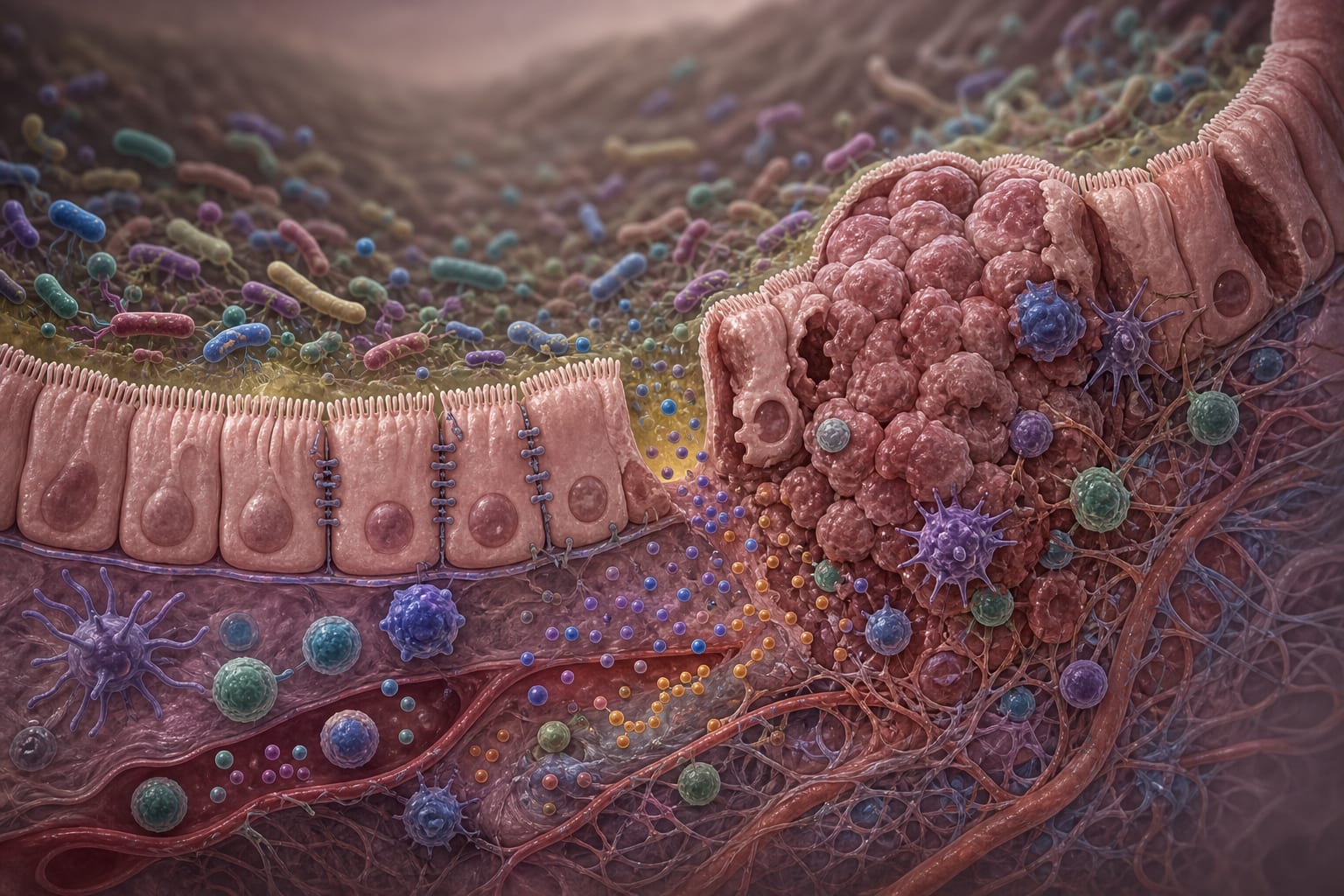
Overview of Gut Microbiota: Discusses the gut microbiota's composition, its interactions with colonic epithelial cells and immune cells, and its influence on CRC progression.
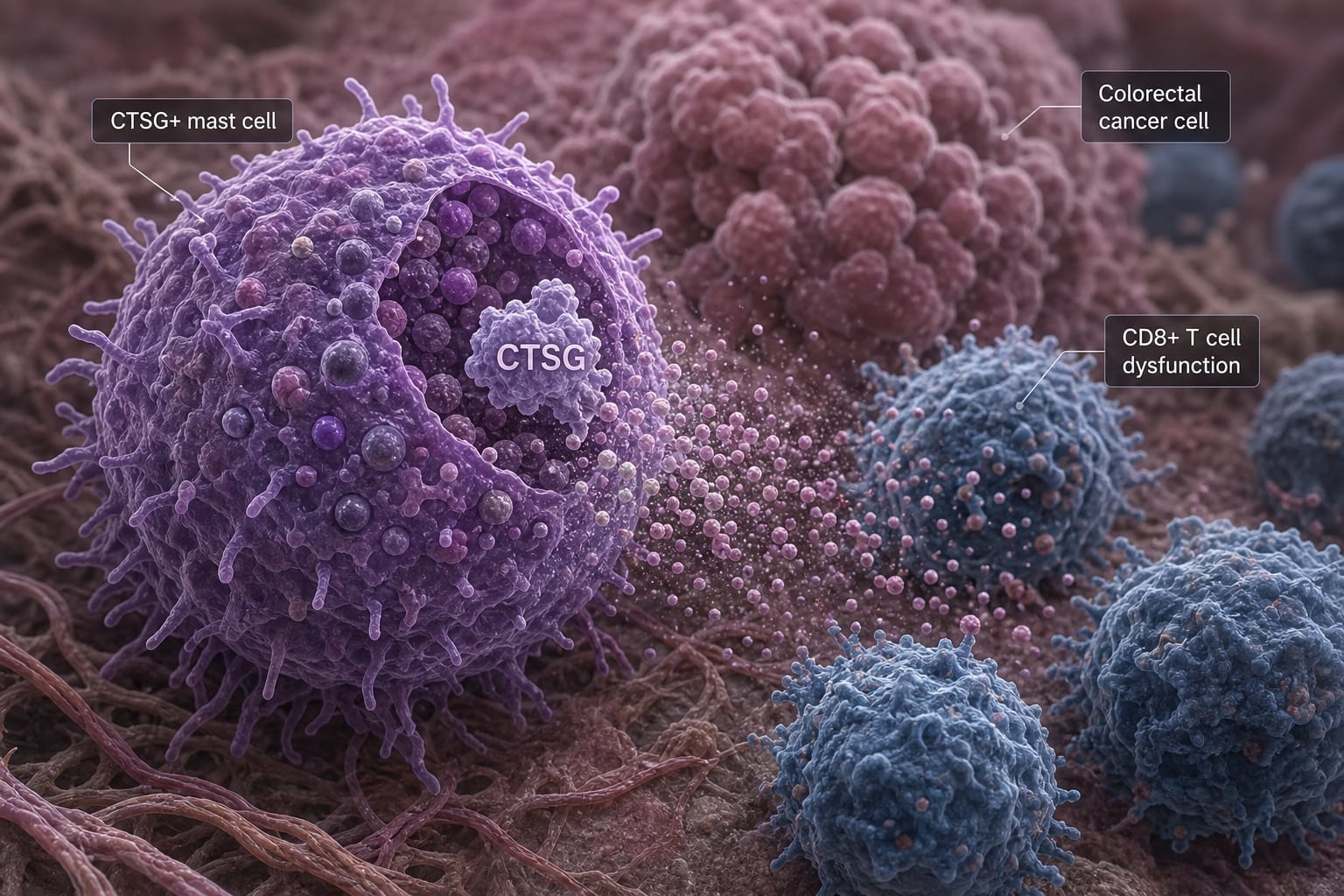
Mechanisms of Dysbiosis: Explores how dysbiosis leads to immune dysregulation and contributes to colorectal tumorigenesis.
Therapeutic Strategies: Highlights emerging strategies targeting the microbiota–immune axis for potential CRC treatment.
Key Findings:
Dysbiosis can reshape immune landscapes through inflammatory signaling and cytokine production.
Microbial metabolites can activate key signaling pathways, including nuclear factor-κB and signal transducer and activator of transcription 3, that modulate immune responses.
Most current evidence is derived from preclinical models, and the causal relationships between specific microbial signatures and CRC remain to be fully established.
Interpretation:
The gut microbiota plays a role in CRC through its effects on immune regulation and inflammation, but further research is needed to clarify its causal relationships with the disease.
Limitations:
Most evidence is derived from preclinical models rather than clinical studies.
Causal relationships between specific microbial signatures and CRC remain to be fully established.
Conclusion:
A better understanding of gut microbiota interactions may facilitate the development of microbiota-based diagnostic and therapeutic approaches for CRC.