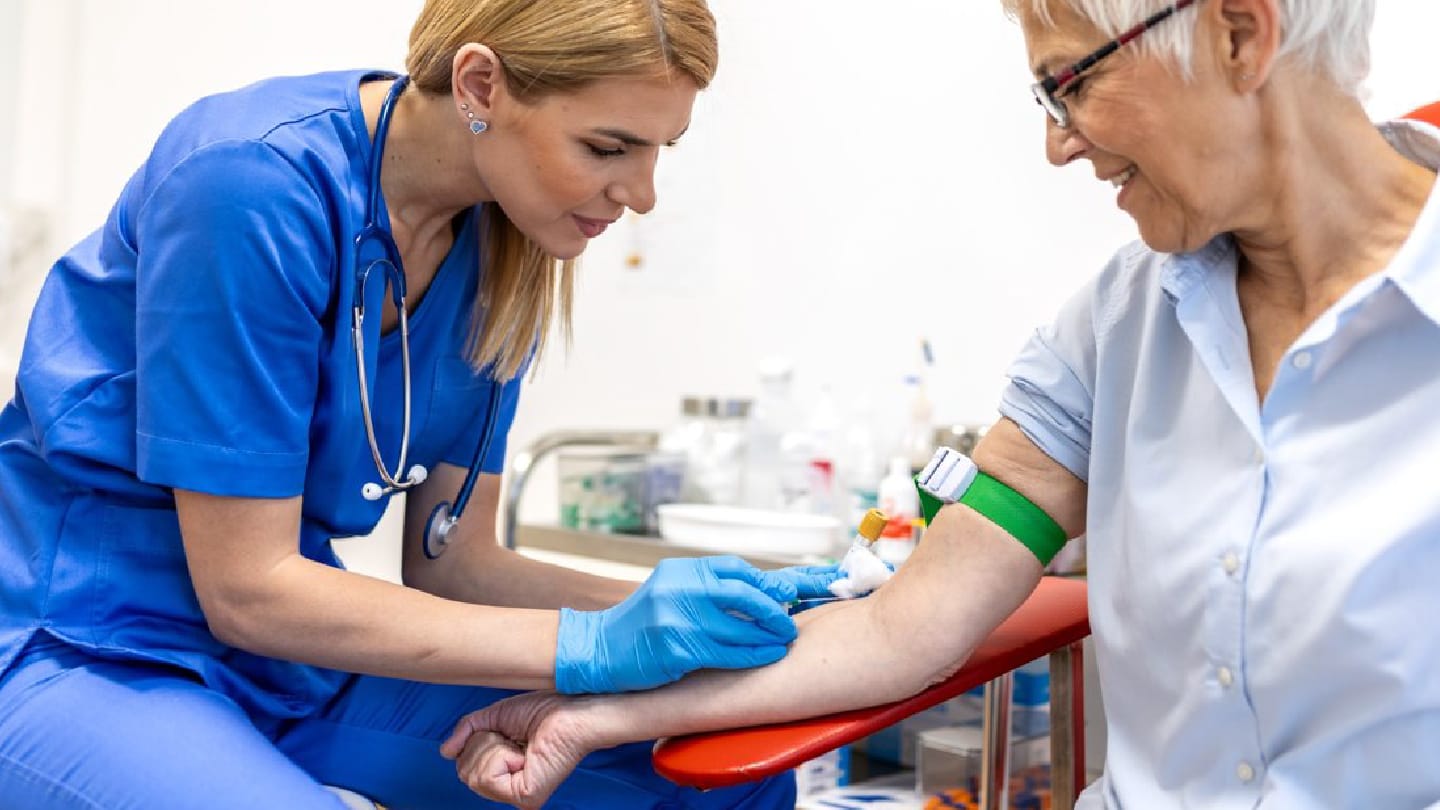
To explore the potential of donor-derived cell-free DNA (dd-cfDNA) as a non-invasive alternative for monitoring graft rejection in heart transplant patients, emphasizing its significance in improving patient outcomes.
Key Findings:
Acute graft rejection occurs in 30-45% of heart transplant patients, highlighting the need for effective monitoring.
dd-cfDNA has a high negative predictive value of 97%, making it a strong candidate for non-invasive monitoring, potentially reducing the need for invasive procedures.
Standardization of dd-cfDNA cut-offs is needed across laboratories to ensure consistent results.
Interpretation:
dd-cfDNA testing could significantly reduce the need for invasive procedures and improve patient monitoring, but financial and structural barriers, such as the lack of guidelines and independent NHS trust operations, remain.
Limitations:
Current guidelines in the UK do not include dd-cfDNA testing, limiting its adoption.
Financial assessments are complicated due to independent operations of NHS trusts, impacting the feasibility of implementation.
Conclusion:
If financial barriers are addressed, dd-cfDNA testing could become a routine part of cardiac transplant follow-up care in the UK, significantly enhancing patient care.
A VHA study across 11 vendors finds AI-generated primary care notes score lower than clinician-written notes, with the largest deficits in thoroughness, organization, and usefulness