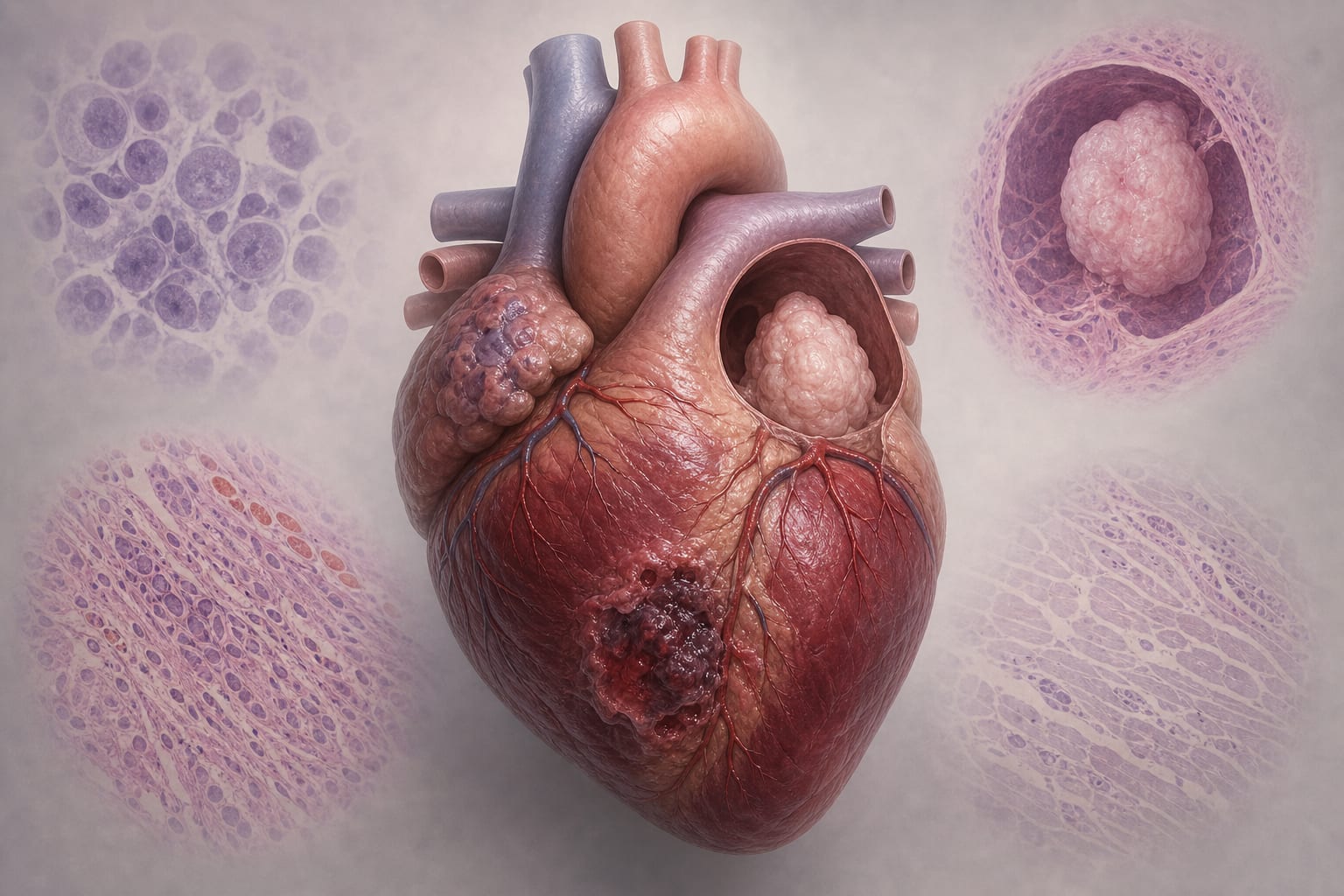
To critically evaluate the evidence linking excessive erythrocytosis (EE) and systemic hypertension at high altitude and discuss the mechanistic pathways, including hyperviscosity-related vascular stress, endothelial dysfunction, and renal-metabolic disturbance, connecting these phenotypes.
Approach:
Method: label
Method: text
Key Findings:
Erythrocytosis burden may be associated with the hypertensive phenotype at high altitude, but the relationship is complex.
Current evidence supports association more strongly than causation.
The relationship between EE and systemic hypertension is not fully understood.
Interpretation:
The key unresolved question is whether EE is a causal determinant of high-altitude hypertension, a marker of more severe hypoxic maladaptation, or a maladaptive amplifier within a broader blood pressure dysregulation phenotype.
Limitations:
The evidence base remains limited in sample size and predominantly consists of cross-sectional studies, which restrict generalizability.
Research is largely focused on selected high-altitude populations, especially Tibetans.
Conclusion:
Clarifying the relationship between EE and hypertension will require phenotype-rich longitudinal studies integrating various physiological factors, including hemoglobin burden and vascular phenotyping.