Conexiant’s news site is now MDSpire News. Learn more
Advertisement
Lifting the Stigma of HPV-Associated Oropharyngeal Cancer: Insights from Dr. Tom Thomas at Morristown Medical Center
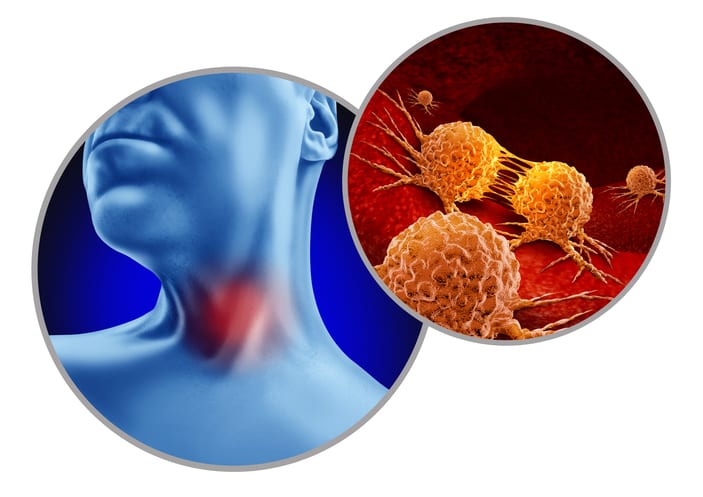
Although a stigma has persisted surrounding human papillomavirus (HPV)–associated head and neck cancers, a lot of progress has been made through education efforts within the head and neck surgical oncology community.
To address the stigma surrounding HPV-associated head and neck cancers, emphasizing the critical roles of education and vaccination in prevention.
Approach:
Key Findings:
HPV-associated oropharyngeal cancer is on the rise, surpassing cervical cancer as the most common HPV-related cancer, with a reported increase of 2.7% among men.
A systemic review identified an increase in HPV-related head and neck cancers globally, with significant rises in various countries.
Early detection and treatment of HPV-associated oropharyngeal cancer result in high cure rates, with appropriate treatment options allowing for normal function.
Vaccination against HPV has proven effective in preventing HPV-related cancers, with studies showing a potential prevention rate of up to 90% for cervical cancer.
Interpretation:
The rising incidence of HPV-associated oropharyngeal cancer underscores the urgent need for increased awareness and preventive measures, particularly vaccination, to combat stigma.
Limitations:
The article does not provide specific data on the effectiveness of educational programs in reducing stigma.
Geographic disparities in HPV-related cancer incidence require further investigation.
There is a lack of longitudinal studies assessing the long-term effectiveness of vaccination across different demographics.
Conclusion:
Addressing the stigma and promoting HPV vaccination, alongside comprehensive education, are crucial steps in combating the rising incidence of HPV-associated oropharyngeal cancer.
Pancreatic adenocarcinoma, the most common form of pancreatic cancer, accounts for roughly 90 to 95 percent of cases. It's notoriously difficult to catch early, because symptoms often don't appear until the disease has already spread