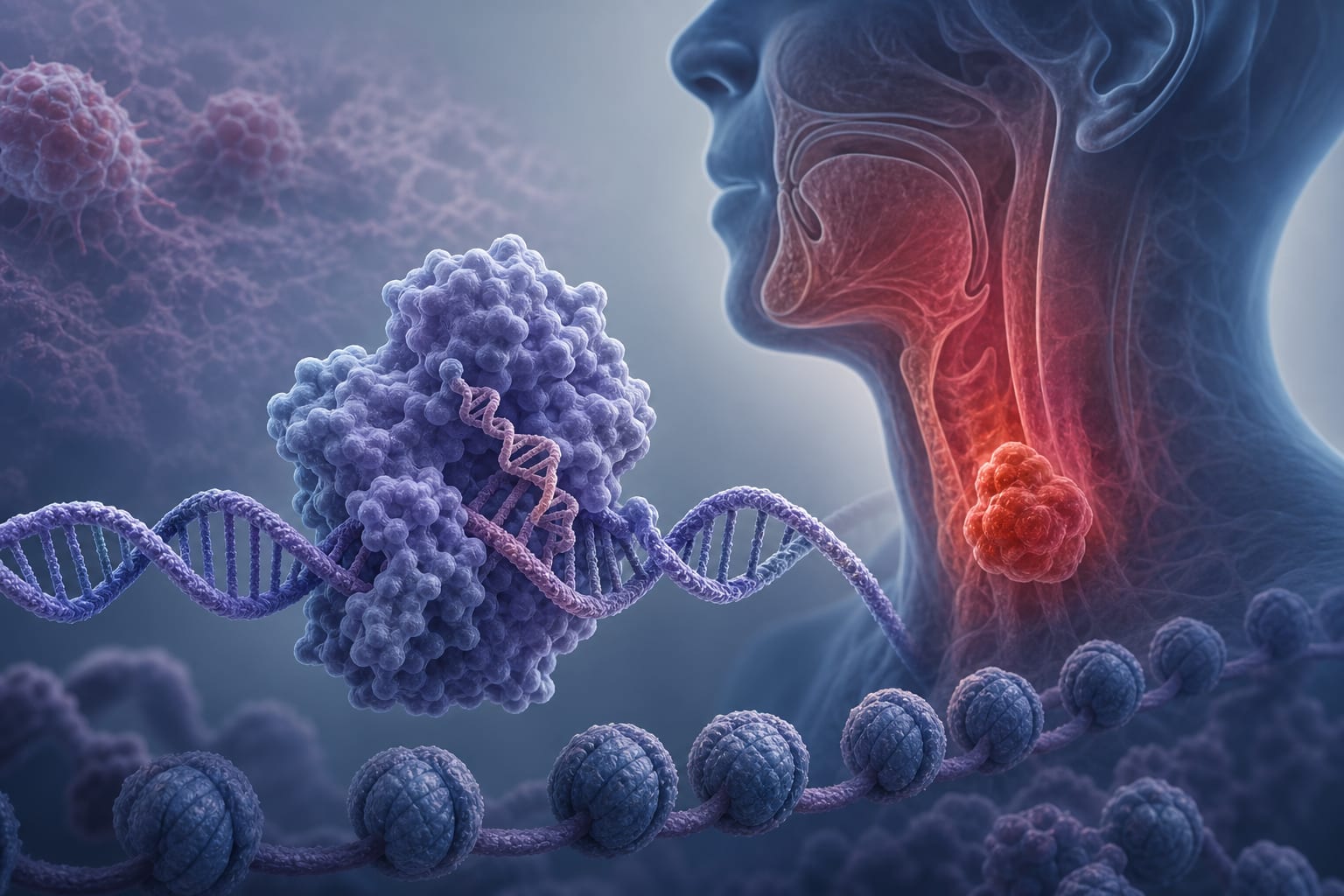
To provide an updated overview of HOX gene dysregulation in head and neck squamous cell carcinoma (HNSCC) and evaluate their roles as biomarkers and therapeutic targets, emphasizing the need to identify functionally relevant molecular drivers.
Approach:
Key Findings:
Dysregulation of HOX genes is prevalent in HNSCC, with specific genes showing altered expression patterns in different subtypes, which may have significant clinical implications.
In oral squamous cell carcinoma (OSCC), 18 HOX genes are overexpressed compared to normal tissue, while others are downregulated in nasopharyngeal carcinoma (NPC), indicating a complex regulatory landscape.
HOX gene expression patterns can vary by tumor stage, indicating potential roles in tumor progression and patient prognosis.
Interpretation:
The context-dependent roles of HOX genes in HNSCC highlight their potential as biomarkers and therapeutic targets, although their precise contributions to tumor pathogenesis remain to be fully elucidated. Future research should focus on clarifying these roles and exploring their clinical applications.
Limitations:
The effects of HOX gene dysregulation are context-dependent and vary by cell type and tumor origin, complicating their clinical application.
Some HOX genes lack experimental evidence in HNSCC, limiting comprehensive understanding, particularly in the context of molecular heterogeneity.
Conclusion:
Further research is needed to clarify the roles of HOX genes in HNSCC and to explore their potential as clinical biomarkers and therapeutic targets, emphasizing their importance in improving patient outcomes.
by Norma Carolina Hernandez-Bautista, Claudia Altamirano-Torres, Jose Manuel Vazquez-Guillen, Reyes S. Tamez-Guerra, Cristina Rodríguez-Padilla, Diana Resendez-Perez