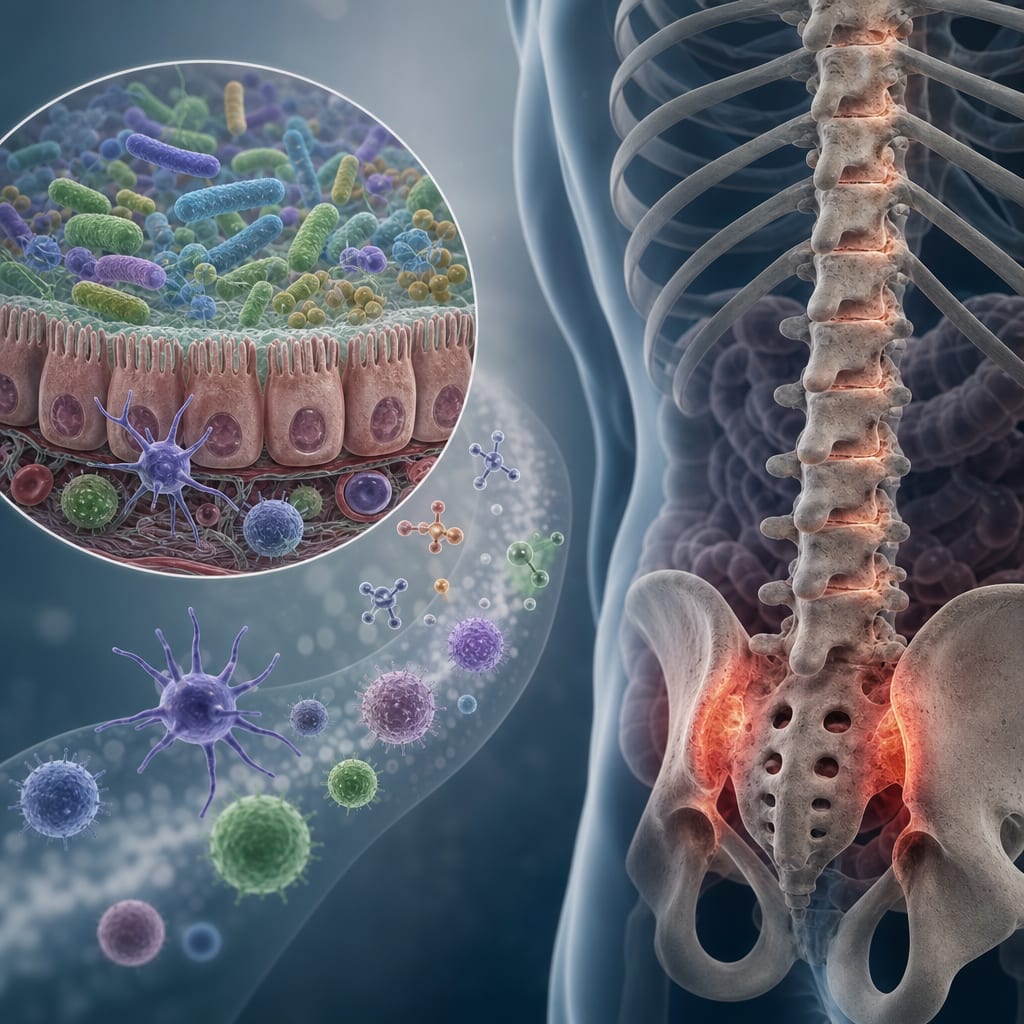
To systematically analyze the current state of research on ankylosing spondylitis (AS) and the gut microbiome and explore future research hotspots, focusing on literature published until January 1, 2026.
Key Findings:
165 articles identified in WoSCC, with an upward trend in publication volume and citations.
China and the USA were the top contributing countries.
Research hotspots include inflammation, Mendelian randomization, HLA-B27, probiotics, and short-chain fatty acids.
Validation analysis using the PubMed database yielded consistent results with the WoSCC findings.
Interpretation:
The gut microbiota plays a significant role in the pathogenesis of AS, suggesting it may serve as a therapeutic target.
Limitations:
Research literature is fragmented with varying findings on bacterial flora changes, complicating the understanding of AS.
Focus is shifting from descriptive studies to causal inference, indicating a need for more comprehensive studies.
Conclusion:
Future research should focus on prospective studies to confirm causality and utilize multi-omics analysis, particularly in areas such as microbial metabolites and immune responses, to uncover molecular mechanisms.