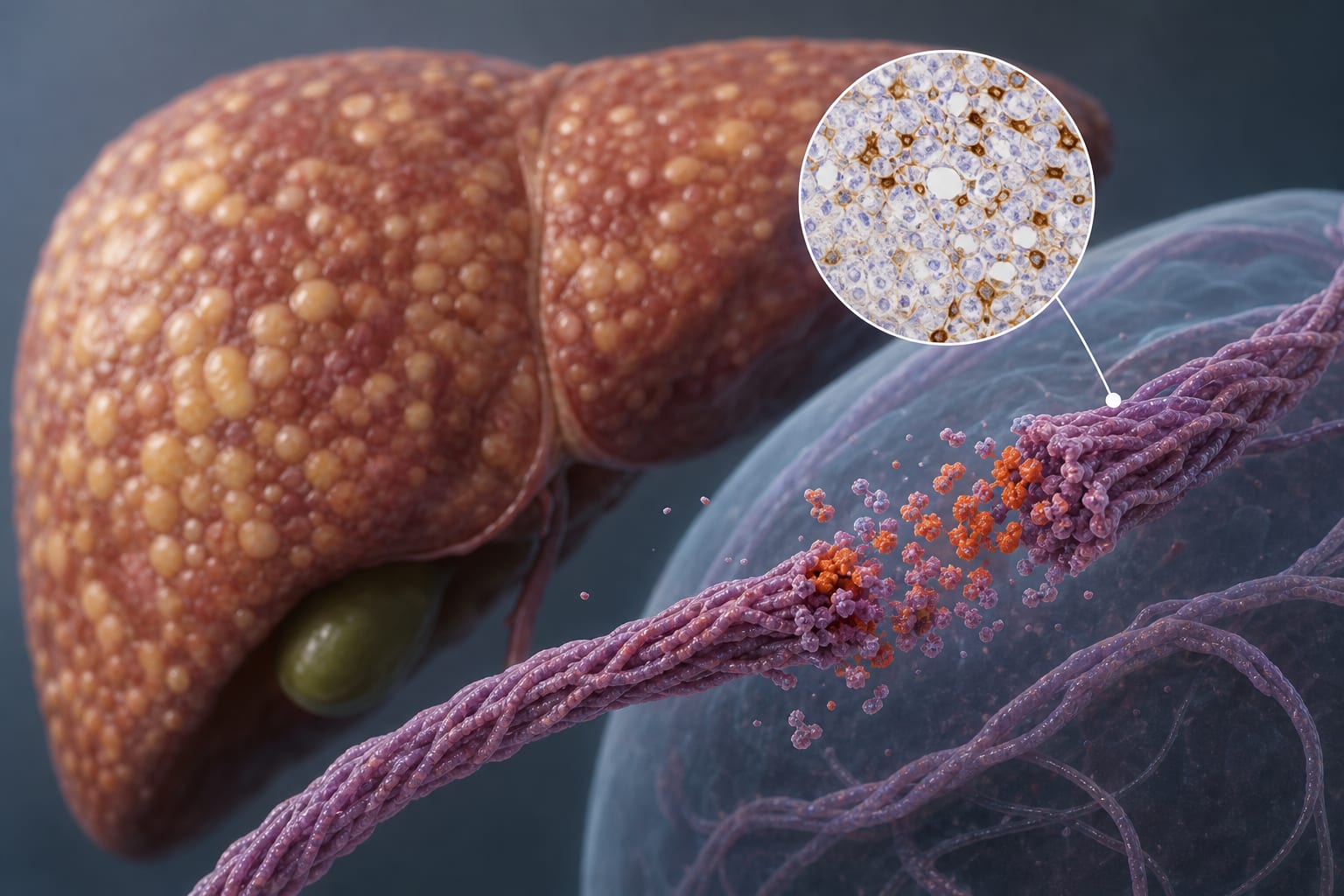
To investigate the dynamic changes of low-density lipoprotein (LDL) levels during different antiviral regimens in chronic hepatitis B (CHB) patients.
Approach:
Study Design: A prospective cohort study involving 585 CHB patients divided into three groups: NAs monotherapy, NAs + Peg-IFNalpha-2b combination, and Peg-IFNalpha-2b monotherapy. Serum lipid levels were monitored at baseline and weeks 12, 24, 36, and 48.
Statistical Analysis: Generalized additive mixed models were used to adjust for confounders such as sex, age, BMI, fatty liver status, cirrhosis, HBV DNA, HBsAg, and HBeAg.
Key Findings:
LDL levels decreased by 0.3–0.4 mmol/L in the Peg-IFNalpha-2b monotherapy group after 48 weeks compared to baseline (P < 0.05).
The combination group showed an intermediate reduction in LDL levels, while the NAs monotherapy group showed no significant change.
The reduction in LDL levels remained significant after adjusting for key confounders.
Interpretation:
Peg-IFNalpha-2b treatment significantly reduces LDL levels in CHB patients, which may have potential long-term cardiovascular and hepatic benefits, particularly for those with metabolic disorders.
Limitations:
The study was conducted at a single center, which may limit generalizability to broader populations.
Potential confounding factors not accounted for could influence lipid metabolism.
Conclusion:
Peg-IFNalpha-2b treatment leads to a significant reduction in LDL levels in CHB patients.