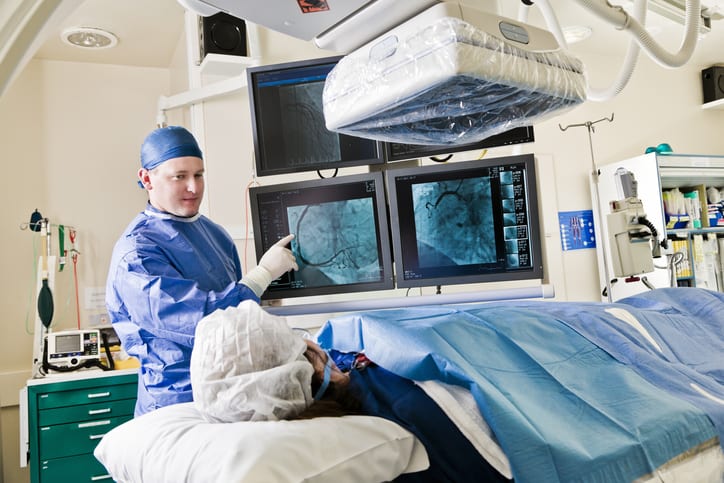
To analyze the learning curve of the distal transradial access (dTRA) approach and explore factors associated with procedural success, emphasizing the importance of this understanding for improving training and patient outcomes.
Key Findings:
Overall success rate was 87.3% (131 of 150 procedures).
Learning curve analysis showed success plateaued after approximately 75 cases.
Procedural efficiency measures stabilized after about 100 cases.
Anterior-wall puncture technique was a significant predictor of success.
High baseline BNP and SBP levels were associated with increased risk of procedural failure.
Interpretation:
Proficiency in the dTRA technique was achieved after approximately 75 procedures, with specific technical and patient-related factors influencing success rates, highlighting the need for tailored training programs.
Limitations:
Single-center study may limit generalizability.
Retrospective design may introduce bias.
No formal training or proctorship was undertaken prior to the study.
The operator's prior experience may have influenced the outcomes.
Conclusion:
The study provides insights into the learning curve of dTRA, emphasizing the importance of technical proficiency and patient assessment in improving procedural outcomes.
These 10 states make it more practical for physicians to participate in hospital ownership by aligning statutory structure, corporate practice of medicine rules, and population trends.