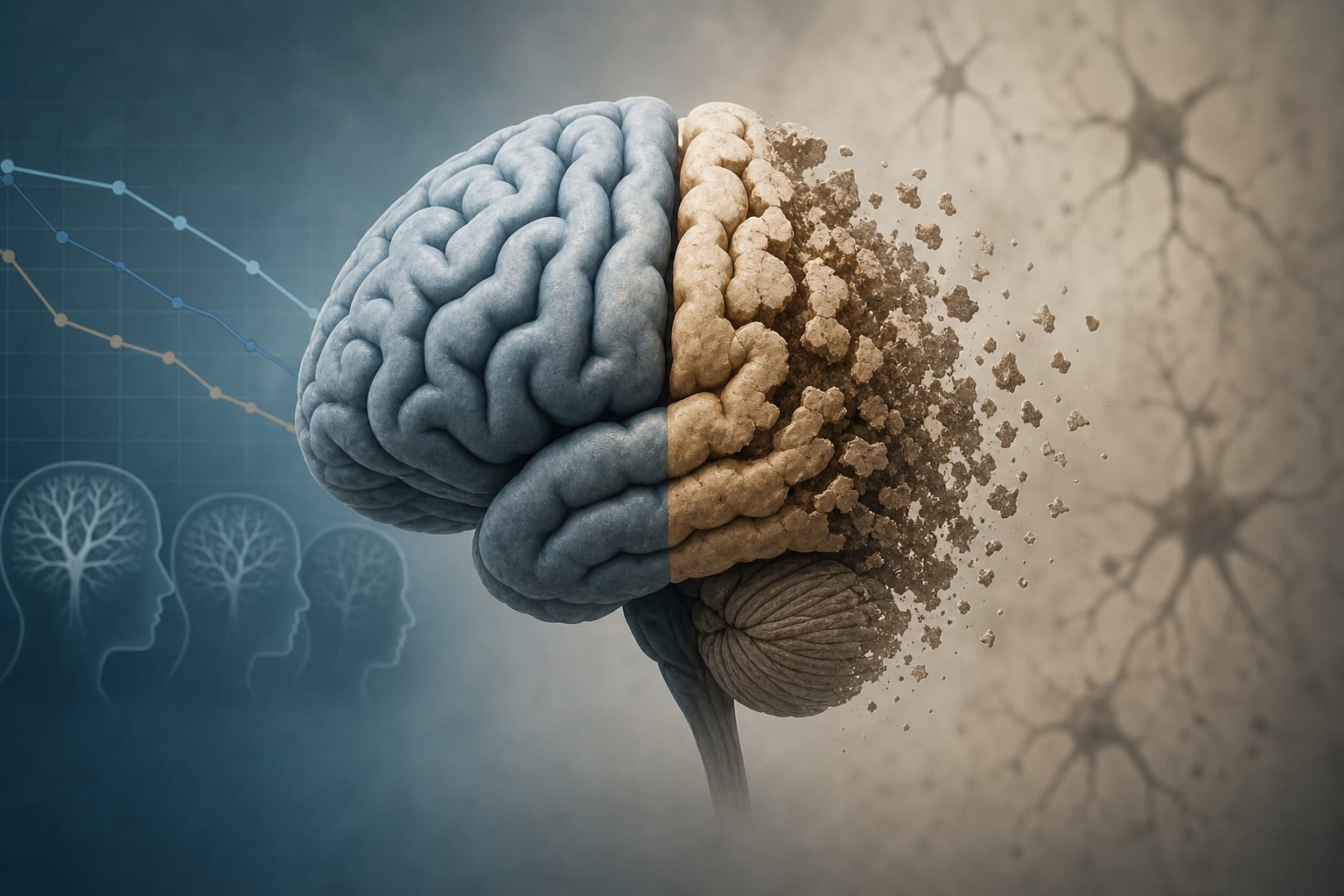
Bringing together structural and functional brain imaging data, Cedars-Sinai investigators have created a “traffic map” to illustrate which pathways are most frequently used for interactions between different regions of the brain and enable the regions to communicate with each other.
To create a model illustrating how different regions of the brain communicate and to predict cognitive performance.
Key Findings:
Certain structural pathways are heavily utilized for brain communications, particularly in networks related to emotions, self-awareness, and sensory processing.
Specific brain areas act as crucial hubs for overall connectivity.
The model enhances understanding of the relationship between brain interactions and cognitive function.
Interpretation:
The mapping of brain communication pathways could inform future research on cognitive processes and neurodevelopmental disorders.
Limitations:
The study may not encompass all brain regions or interactions.
Further validation is needed to confirm the model's predictive capabilities.
Conclusion:
This research could improve diagnostic tools and lead to better-targeted interventions for cognitive disorders such as Alzheimer’s disease.