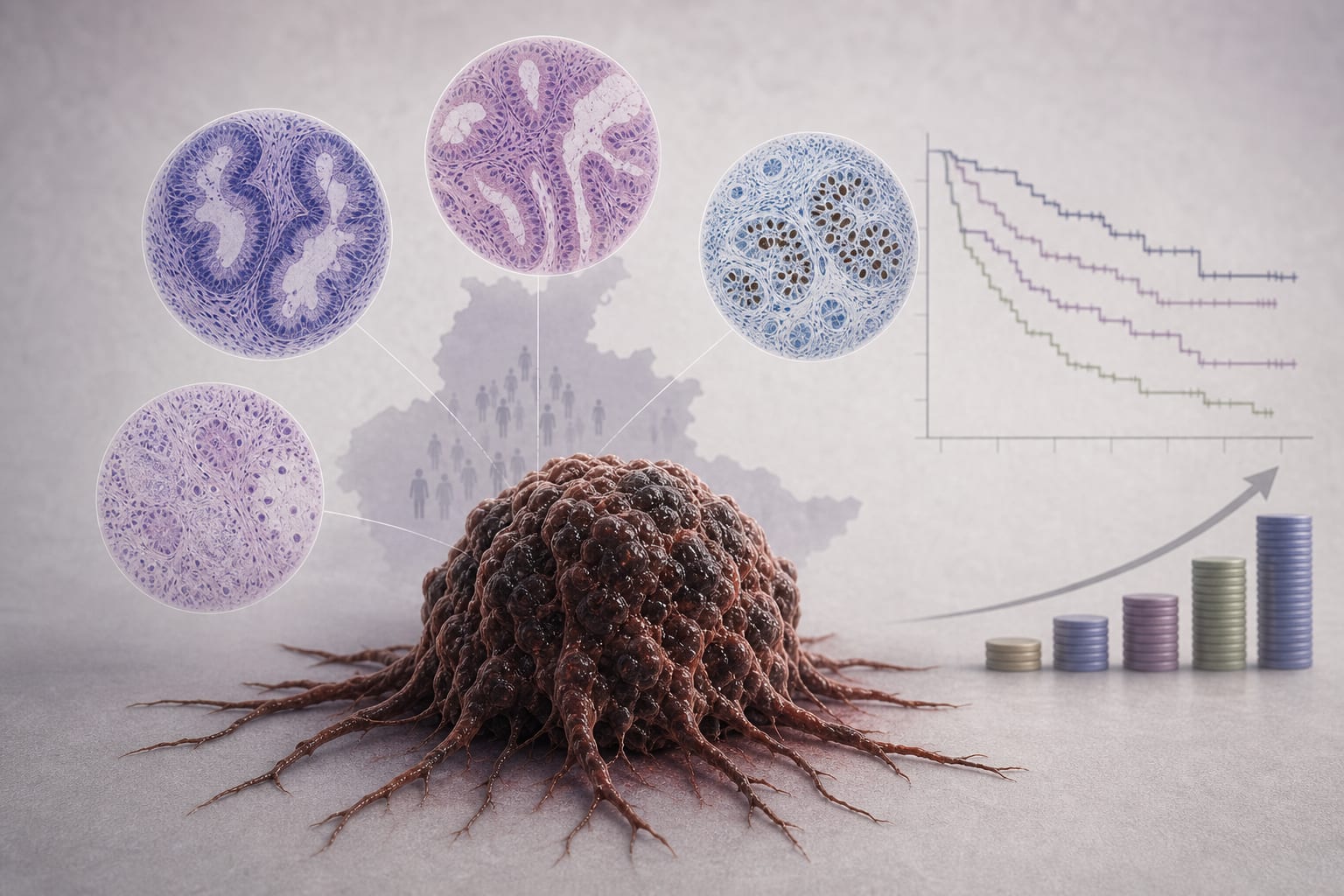
To highlight advancements in women's cancer care, focusing on surgical techniques, AI integration, personalized treatment approaches, and the importance of early detection.
Approach:
Key Findings:
AI plays a crucial role in surgical planning and treatment optimization, enhancing precision and outcomes.
Robotic surgery is reducing invasiveness and improving recovery in gynecologic and breast surgeries, leading to better patient experiences.
Circulating tumor DNA testing enables real-time monitoring of treatment response, allowing for timely adjustments.
Antibody-drug conjugates are improving targeting of chemotherapy to cancer cells, minimizing side effects.
Interpretation:
The integration of advanced technologies in cancer care is leading to more personalized, effective, and less invasive treatment options for women.
Limitations:
Robotic surgery remains investigational in the U.S. for breast procedures, which may limit access to these advancements.
Vaccination rates for HPV lag behind other developed nations, impacting prevention efforts and highlighting the need for public health initiatives.
Conclusion:
The innovations of 2026 are paving the way for a future of cancer care that is more effective and personalized, with a focus on early detection and prevention as critical components.