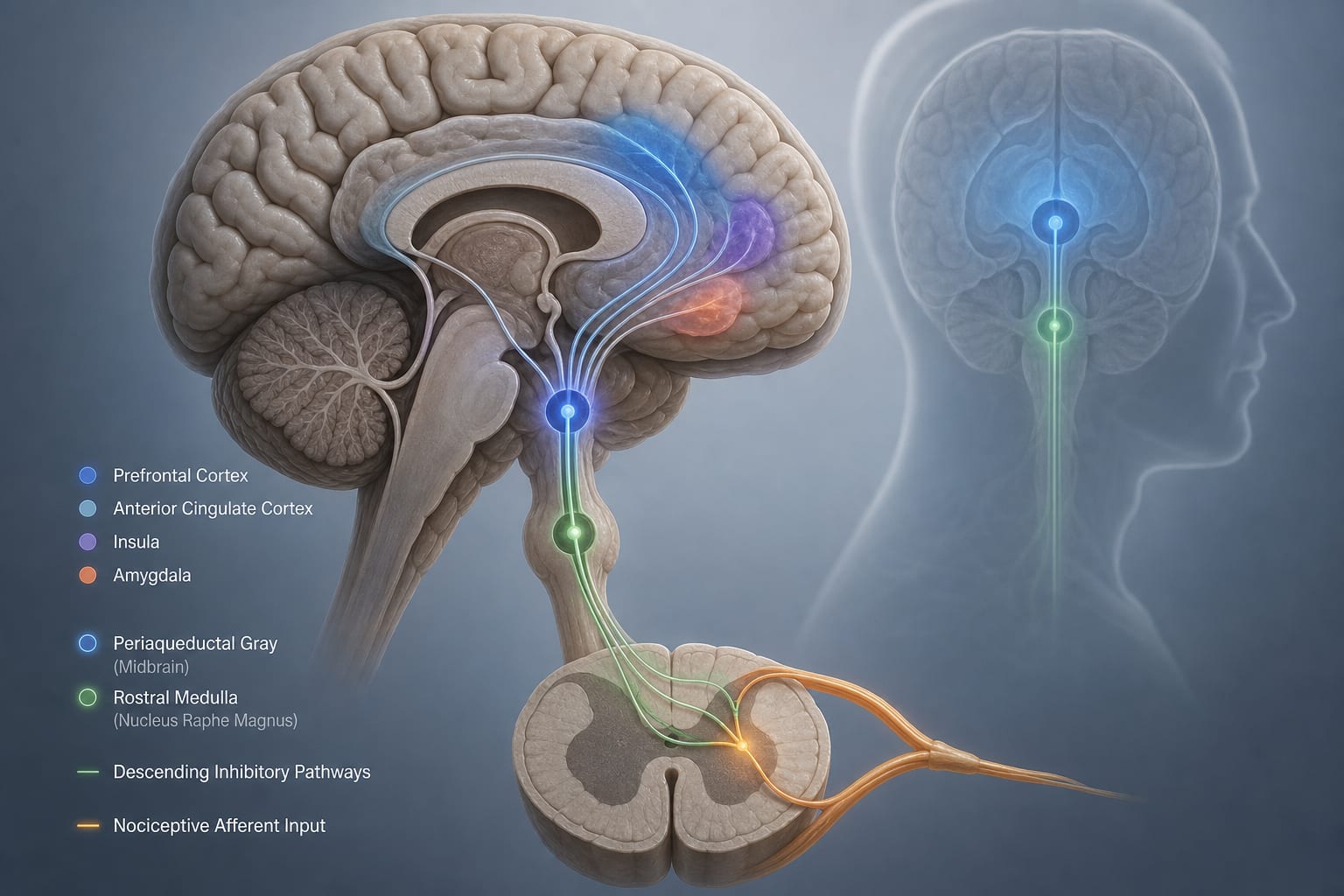
To explore advances in neuromodulation techniques for chronic pain management.
Approach:
Overview of Neuromodulation: Chronic pain is a complex disorder influenced by various neural mechanisms, necessitating innovative treatment strategies beyond conventional pharmacological approaches.
Research Contributions: The editorial discusses five articles covering non-invasive and invasive neuromodulation techniques, including electroacupuncture and brain stimulation methods.
Mechanistic Insights: The articles emphasize the importance of understanding distinct pain mechanisms and patient characteristics to tailor neuromodulation therapies effectively.
Key Findings:
Electroacupuncture may alleviate temporomandibular disorder-related pain through various mechanisms.
Non-invasive brain stimulation techniques target the primary motor cortex and may vary in effectiveness based on pain phenotype.
Electrophysiological indicators can serve as objective biomarkers to guide neuromodulation treatments.
Low-intensity pulsed ultrasound showed greater pain relief compared to tamsulosin in chronic pelvic pain syndrome.
Optimizing stimulation dosing in spinal cord stimulation may maintain benefits while reducing patient burden.
Interpretation:
Limitations:
Heterogeneity in clinical protocols and patient populations complicates the interpretation of results.
Standardization of stimulation parameters is needed for better comparability across studies.