To synthesize evidence on lipidomic changes in viral pneumonia and their implications.
Approach:
Key Findings:
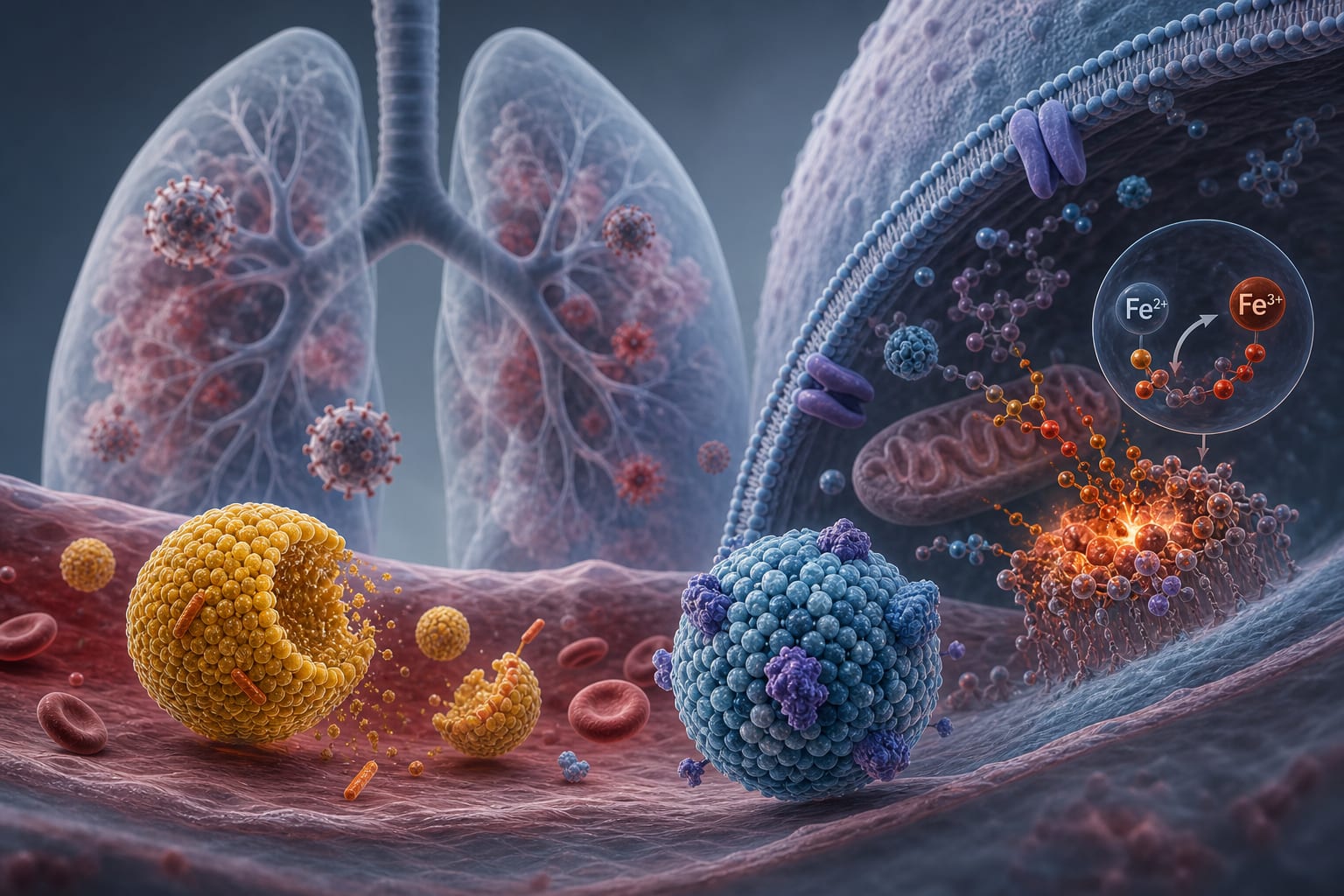
A significant decline in serum LDL-cholesterol and HDL conversion from protective to pro-inflammatory is observed during severe viral pneumonia.
Lipidomic changes serve as prognostic indicators for disease severity and mortality.
The 'gut-lipid-lung axis' influences the inflammatory status of the lungs and the metabolic response to viral infections.
Lower LDL-C levels at admission correlate with worse clinical outcomes in severe cases.
Interpretation:
The findings suggest that lipid metabolism plays a crucial role in the pathophysiology of viral pneumonia, indicating a shift towards a lipid-centric model for understanding and treating the disease.
Limitations:
Further research is needed to clarify the timing and mechanisms of triglyceride metabolism changes.
A comprehensive overview linking clinical prognosis and molecular pathogenesis through serum lipid remodeling remains lacking.
Conclusion:
Transitioning to a lipid-centric precision medicine model is essential for advancing host-directed therapies in severe respiratory viral infections.