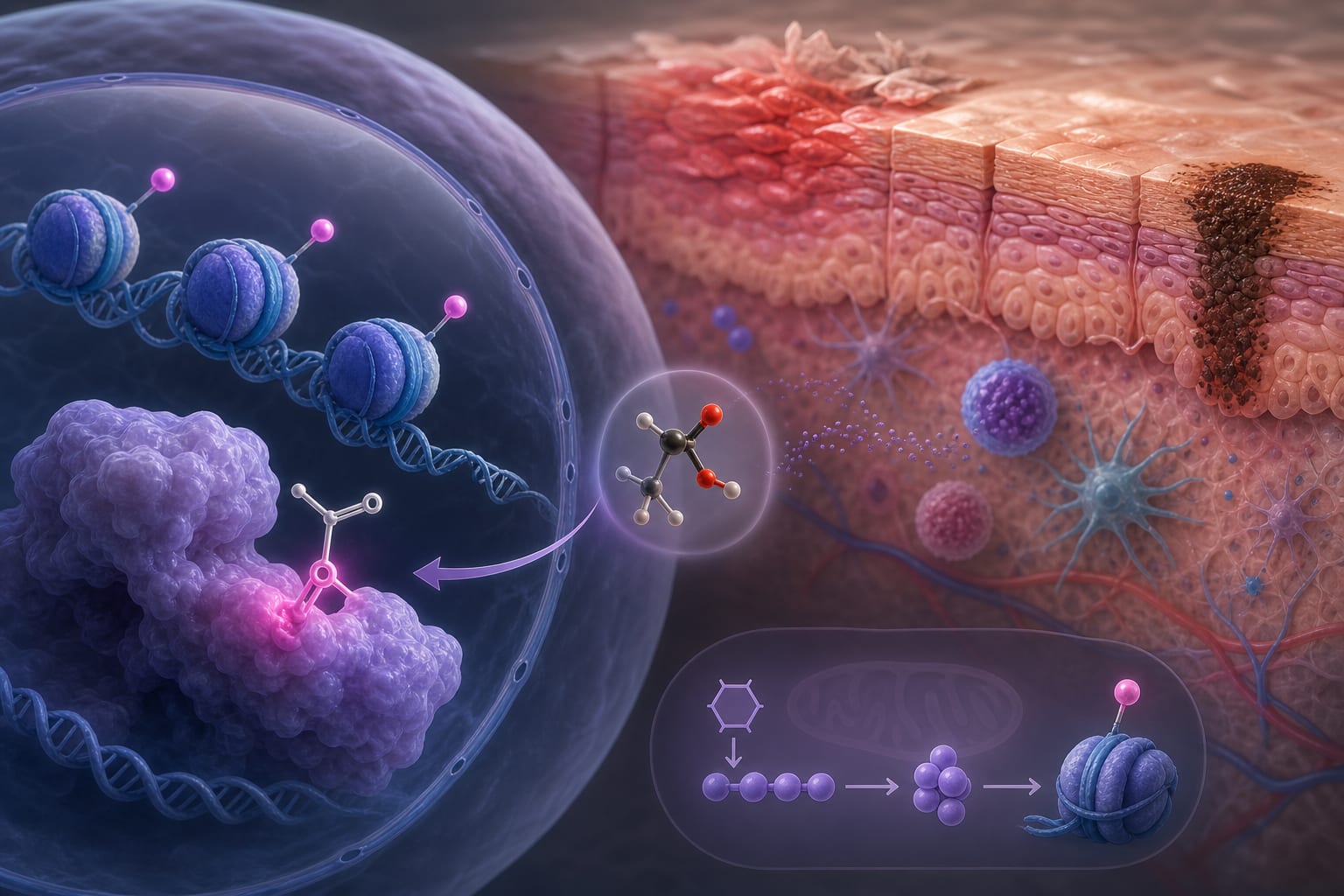
To evaluate the implications of Kaposi’s sarcoma cases on the development of OX40/OX40L targeting therapies in atopic dermatitis, emphasizing the need for a balanced assessment of benefits and risks.
Key Findings:
Kaposi’s sarcoma cases have raised safety concerns regarding OX40/OX40L modulation and its implications for future therapies.
Clinical data initially supported the efficacy of OX40/OX40L targeting in atopic dermatitis, but the context of safety must be considered.
The association between OX40/OX40L modulation and Kaposi’s sarcoma remains biologically plausible but unproven, necessitating further investigation.
Interpretation:
The emergence of Kaposi’s sarcoma cases necessitates a careful reassessment of the OX40/OX40L pathway's role in atopic dermatitis treatment, focusing on risk management, patient selection, and the importance of ongoing research.
Limitations:
The causal link between OX40/OX40L modulation and Kaposi’s sarcoma is unproven, and challenges in patient selection complicate the development of new therapies.
Existing therapies set a high standard for new treatments, complicating the positioning of OX40/OX40L targeting.
Conclusion:
Kaposi’s sarcoma may not signal the end of OX40/OX40L targeting in atopic dermatitis but indicates the need for a more selective and risk-aware approach in future development, with rigorous safety evaluations.