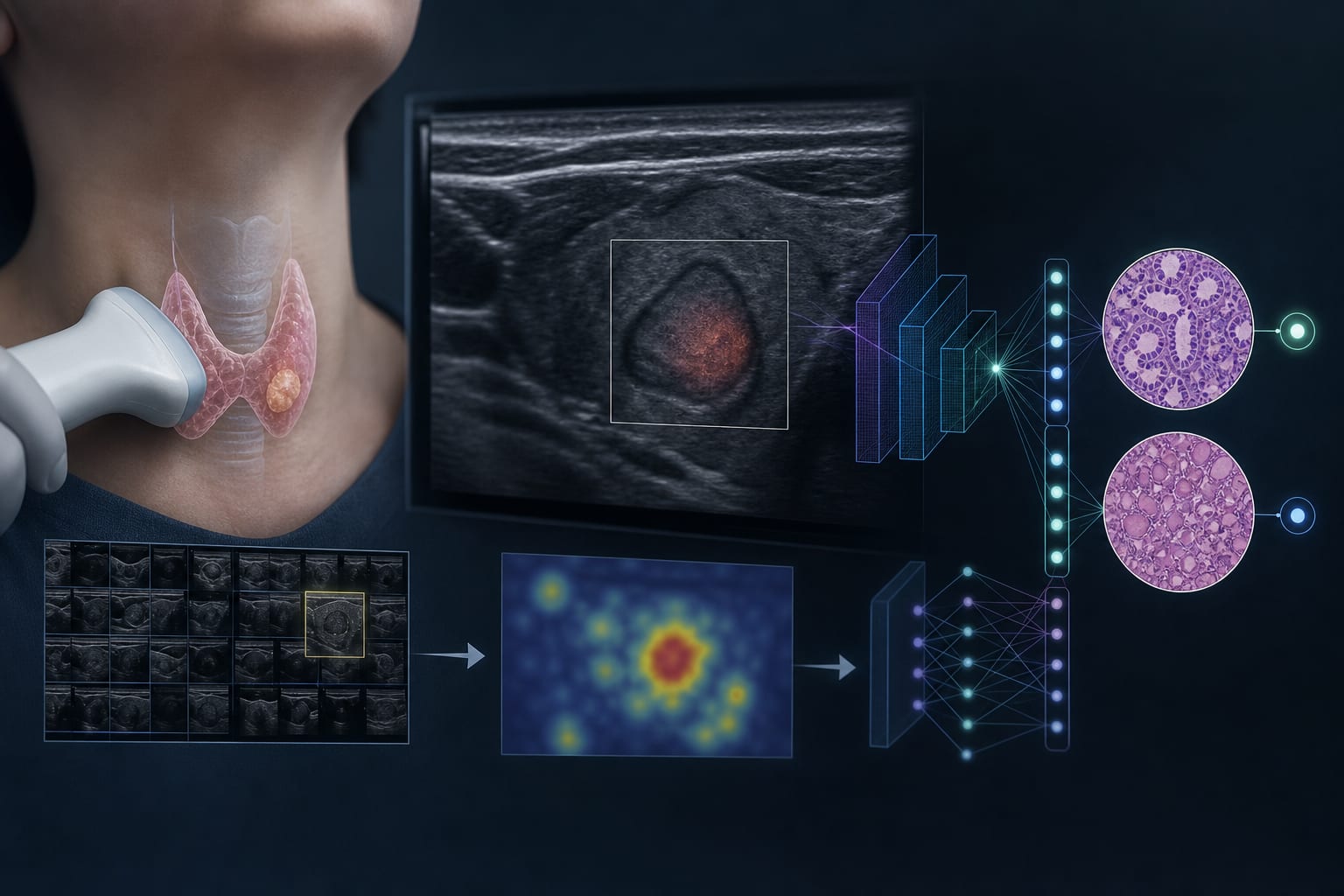
To evaluate the progression of renal diseases across different stages of chronic kidney disease (CKD) using a combination of conventional ultrasonography and point shear wave elastography (pSWE), highlighting the importance of this integrated approach.
pSWE-derived elasticity values differed significantly among renal disease etiologies (p < 0.001), suggesting varying stiffness characteristics based on underlying pathology.
Interpretation:
pSWE can non-invasively and quantitatively detect changes in renal tissue stiffness, serving as a valuable imaging biomarker for differentiating various pathological types and phenotypes of renal diseases.
Limitations:
Single-center study may limit generalizability.
Operator dependence of pSWE may affect accuracy, and potential biases inherent in retrospective studies should be considered.
Conclusion:
The study supports the integrated use of pSWE with grayscale ultrasound and Doppler for comprehensive renal evaluation, which can assist clinical decision-making and reduce unnecessary renal biopsies, ultimately improving patient outcomes.