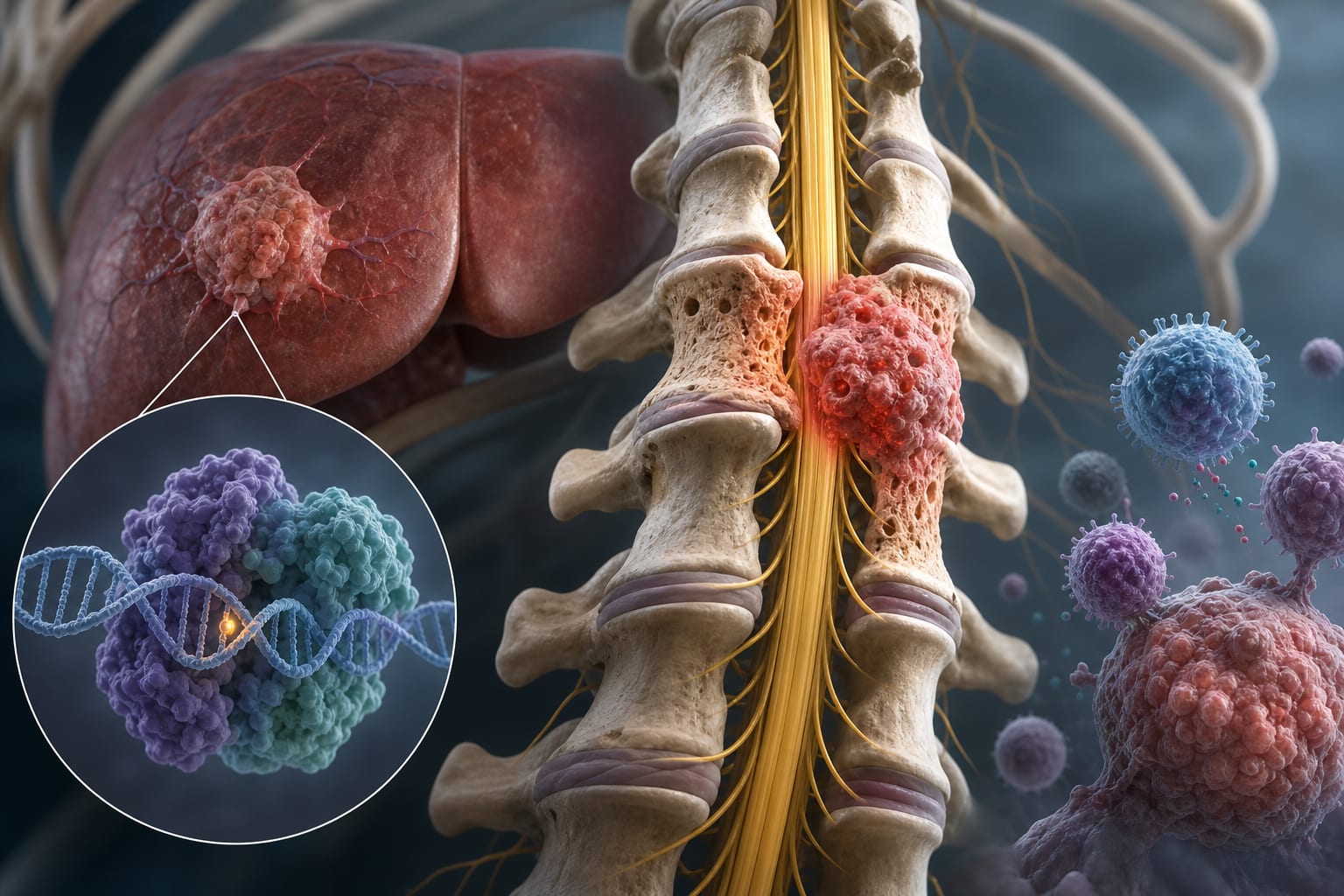
To summarize the biological basis of extracellular vesicle (EV) signaling and its critical association with perioperative neurocognitive disorders (PND) to enhance understanding and treatment.
Key Findings:
PND encompasses postoperative delirium, delayed neurocognitive recovery, and postoperative neurocognitive disorder, each with distinct clinical presentations and implications for patient care.
EVs are implicated in the progression from peripheral inflammation to neuroinflammation and neuronal dysfunction, with specific pathways identified.
Clinical studies have linked EV cargo to postoperative cognitive outcomes, suggesting a role for EVs in PND, with examples of specific EV markers associated with cognitive decline.
Interpretation:
EVs may provide a mechanistic link between surgical injury and postoperative brain dysfunction, enhancing understanding of PND and suggesting new avenues for intervention.
Limitations:
Current studies are heterogeneous and may not apply uniformly across different surgical procedures, necessitating more tailored research.
The biological mechanisms underlying the relationship between EVs and PND remain incompletely understood, highlighting the need for further investigation.
Conclusion:
The review highlights the potential of EVs as biomarkers and mediators in the context of PND, warranting further research to explore their clinical applications and therapeutic potential.