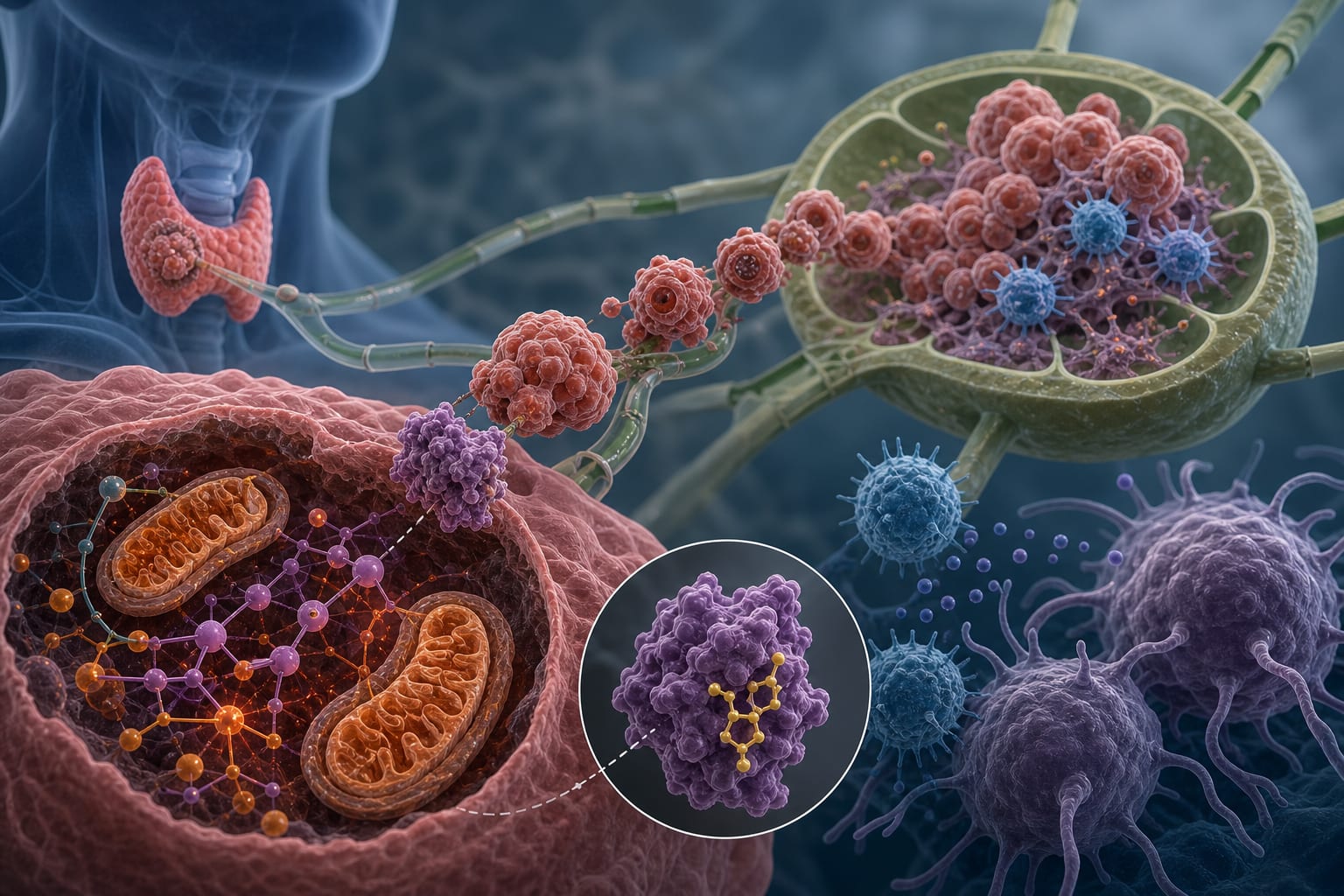
To explore the role of AI-powered diagnostics in improving patient selection and treatment outcomes in oncology.
Key Findings:
AI diagnostics improve reproducibility and accuracy in pathology interpretations.
AI can analyze complex data beyond human capabilities, enhancing biomarker identification.
Collaboration with tech companies and clear regulatory pathways are essential for advancing AI in diagnostics.
Interpretation:
AI has the potential to transform oncology diagnostics by providing precise, individualized treatment strategies and improving patient outcomes.
Limitations:
Access to technology and data infrastructure varies, creating disparities in implementation.
Regulatory frameworks for AI diagnostics are still ambiguous and evolving.
Payers have not yet adapted to the rapid advancements in AI technology for reimbursement decisions.
Conclusion:
The integration of AI in diagnostics represents a significant advancement in personalized medicine, but requires collaboration, regulatory clarity, and evolving business models to realize its full potential.