Machine learning-assisted prognosis prediction and surgical decision-making for glioblastoma: perceived benefits and concerns of patients, caregivers, and neurosurgeons - Summary - MDSpire
Conexiant’s news site is now MDSpire News. Learn more
Advertisement
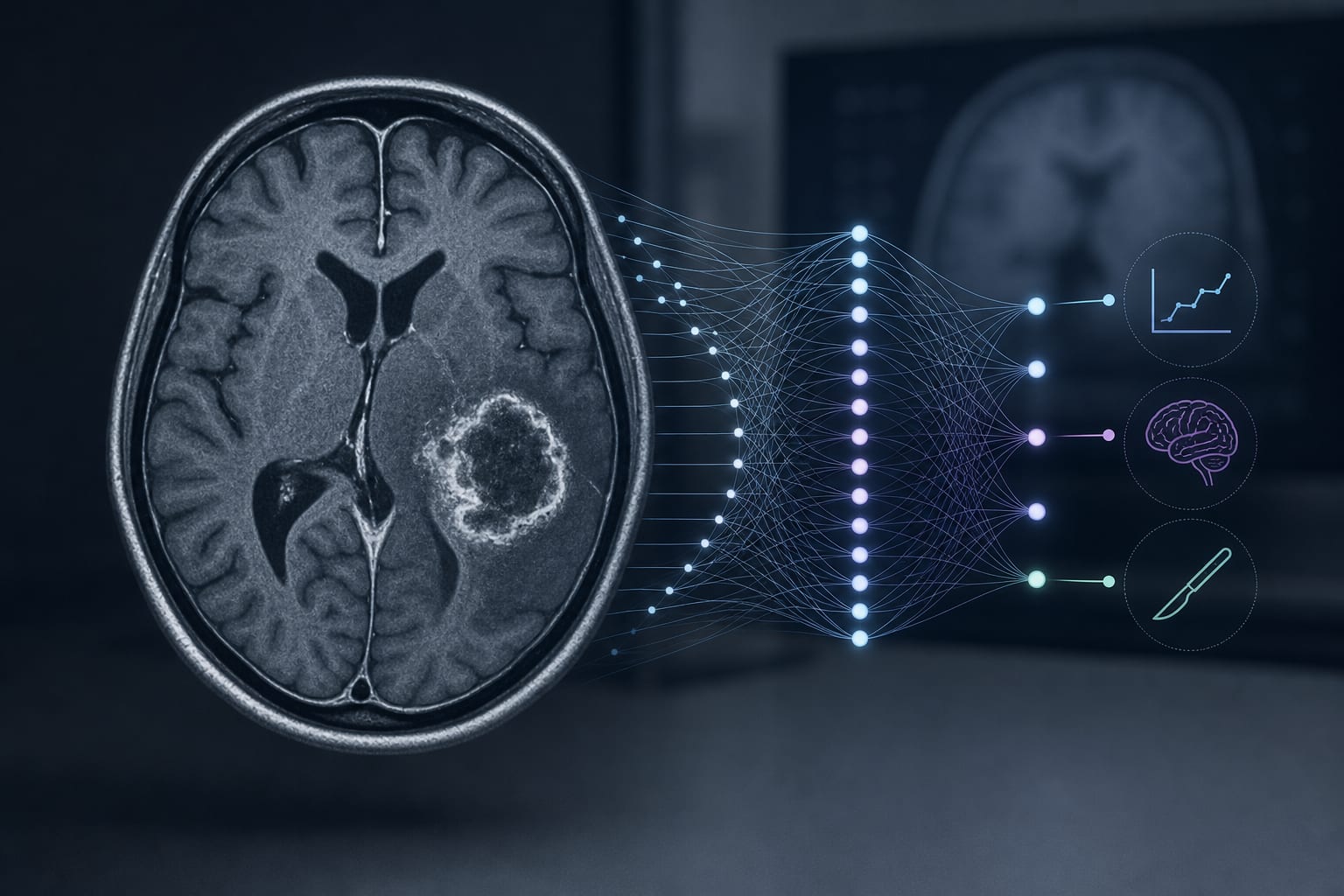
Utilizing Machine Learning for Prognostic Assessment and Surgical Choices in Glioblastoma: Insights and Concerns from Patients, Caregivers, and Neurosurgeons
To examine the perspectives of GBM patients, caregivers, and neurosurgeons regarding an ML model designed to predict GBM patient prognosis and inform surgical decisions.
Approach:
Participants: Interviews were conducted with 13 GBM patients, 14 caregivers, and 15 neurosurgeons.
Data Collection: Interviews were audio-recorded, transcribed, and coded by the study team.
Key Findings:
All groups recognized the ML model's ability to process large amounts of patient data as a major benefit.
Concerns were raised about potential inaccuracies or biases in the model's output.
Participants expressed unease about the model potentially replacing clinical judgment.
Some patients and caregivers worried about the model's early development stage and its impact on patient hope and understanding.
Interpretation:
Limitations:
The study does not provide quantitative data on the effectiveness of the ML model.
The sample size is relatively small and may not represent broader patient and clinician perspectives.