To outline the regulatory evolution of contact lenses and its implications for clinical practice.
Approach:
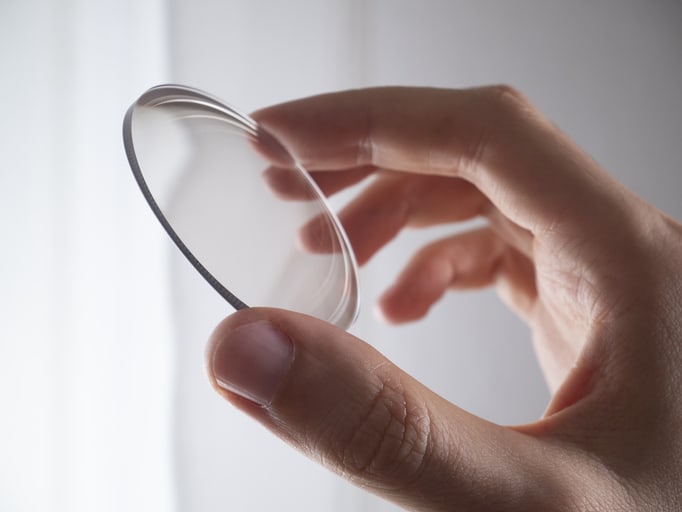
Regulatory Overview: The article discusses the evolution of contact lens regulation, particularly following the Medical Device Amendments of 1976.
Material-Specific Regulation: It contrasts the regulatory oversight of different contact lens materials, notably PMMA versus soft lenses.
Current Implications: The article examines how historical debates on regulation influence current prescribing practices and clinical decisions.
Future Considerations: It addresses the ongoing evolution of regulatory policies as new technologies, such as smart lenses and drug-eluting systems, emerge.
Key Findings:
Contact lenses were classified as medical devices by the FDA in 1976.
Regulatory pathways for contact lenses include Class II and III categories.
Historical debates on clinical safety standards and manufacturing controls continue to impact modern eye care.
Interpretation:
The intersection of regulatory policy and clinical practice is dynamic, influencing patient safety and innovation.
Limitations:
The article does not provide specific examples of regulatory changes post-1976.
It lacks detailed analysis of global regulatory differences.
Conclusion:
The regulatory landscape for contact lenses has evolved significantly, affecting how they are prescribed and developed.
A nearly decade-long observational follow-up found continued slowing of axial elongation into late adolescence, while refractive outcomes remained less consistent.