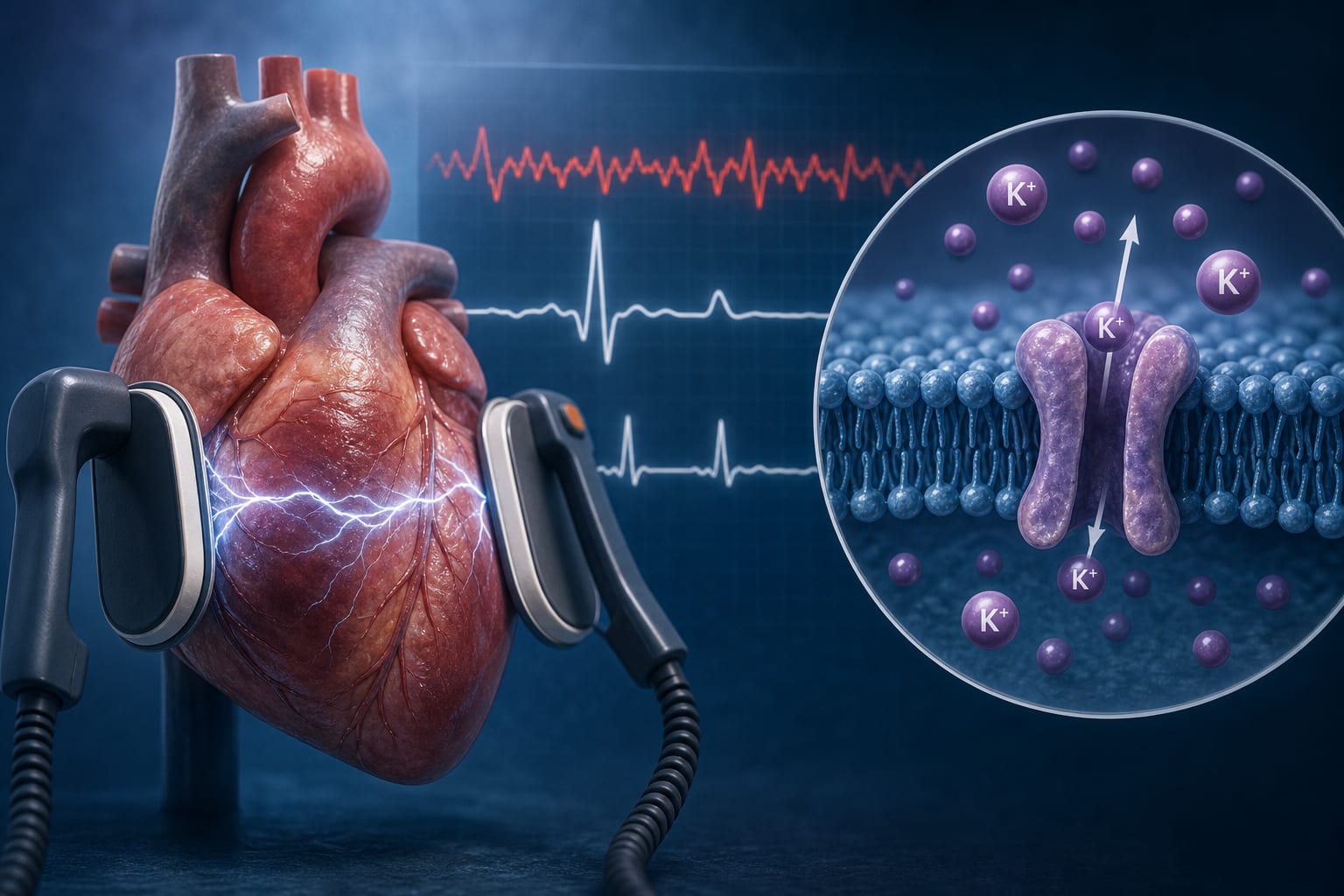
To evaluate the impact of serum potassium levels within the normal range on immediate electrical cardioversion (ECV) success in patients undergoing cardioversion for atrial fibrillation, atrial flutter, and focal atrial tachycardia, highlighting the significance of potassium levels.
Key Findings:
647 patients were included, with 314 (48.5%) in the low normal potassium group and 333 (51.5%) in the high normal potassium group, with p-values reported.
No significant differences in age or overall distribution of cardiac arrhythmias between the two potassium groups, with specific statistical values.
Atrial fibrillation was the most common arrhythmia in both groups, with percentages and significance levels included.
Interpretation:
The study aimed to clarify the relationship between potassium levels and ECV success, addressing a gap in existing literature and its implications for clinical practice.
Limitations:
Retrospective design may introduce selection bias and limit the reliability of findings.
Single-center study limits generalizability, and potential confounding factors should be acknowledged.
Conclusion:
The study provides insights into the role of potassium levels in ECV success, but further research is needed to establish definitive conclusions and improve clinical outcomes.
These 10 states make it more practical for physicians to participate in hospital ownership by aligning statutory structure, corporate practice of medicine rules, and population trends.