To report a case of a patient with EGFR-mutated NSCLC who developed resistance to osimertinib through a ROS1 fusion bypass pathway and to explore potential treatment strategies based on this case and existing literature.
Key Findings:
The patient achieved over 6.5 years of survival through dynamic adjustments to targeted therapy.
Distinct side effect profiles were observed with crizotinib, entrectinib, and osimertinib, impacting treatment decisions.
Reintroduction of crizotinib and entrectinib was well-tolerated after initial intolerable adverse reactions, suggesting potential for re-evaluation of previously discontinued therapies.
Interpretation:
The emergence of ROS1 fusion as a resistance mechanism to third-generation EGFR TKIs is rare, underscoring the need for individualized treatment approaches in complex cases.
Limitations:
The case study is based on a single patient, limiting generalizability.
No consensus exists on optimal treatment sequencing for patients with similar co-mutations, and potential biases in treatment response may exist.
Conclusion:
This case report provides insights into potential treatment strategies for patients with EGFR mutations and ROS1 fusions, emphasizing the importance of personalized therapy.
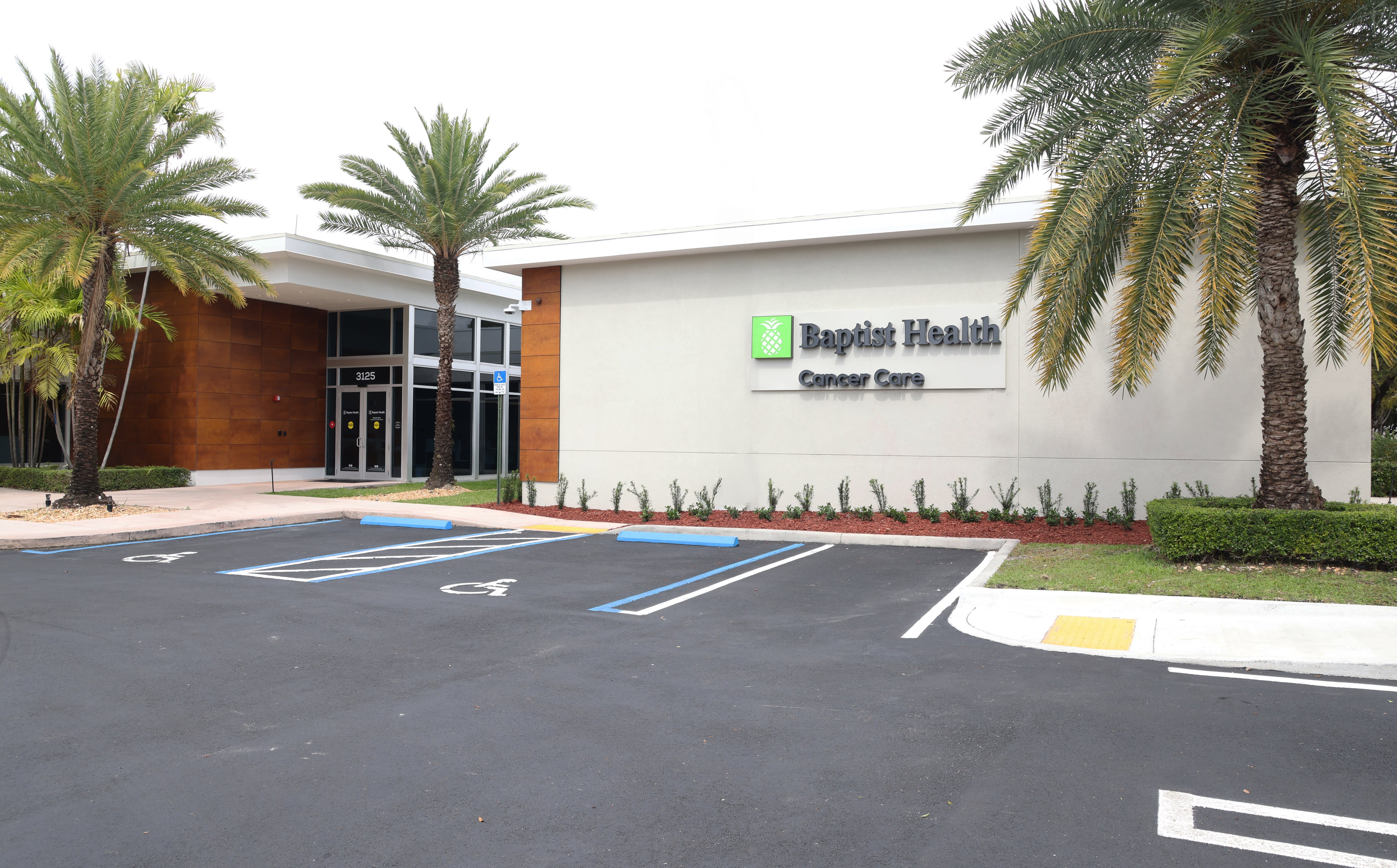
Baptist Health Cancer Care is now serving patients in Doral with a comprehensive, community-based approach to oncology care designed to make treatment more convenient and accessible for both patients and referring physicians.