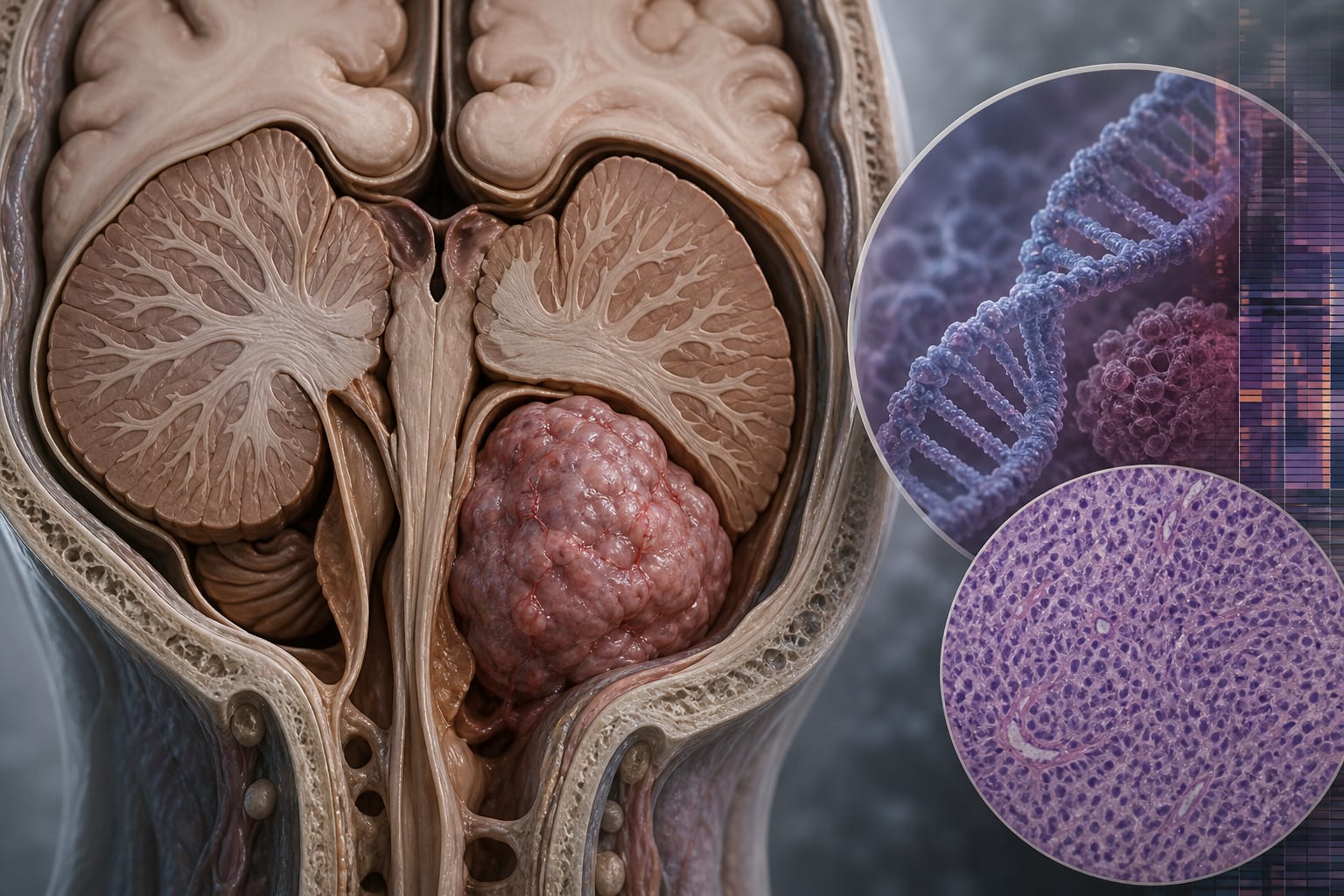
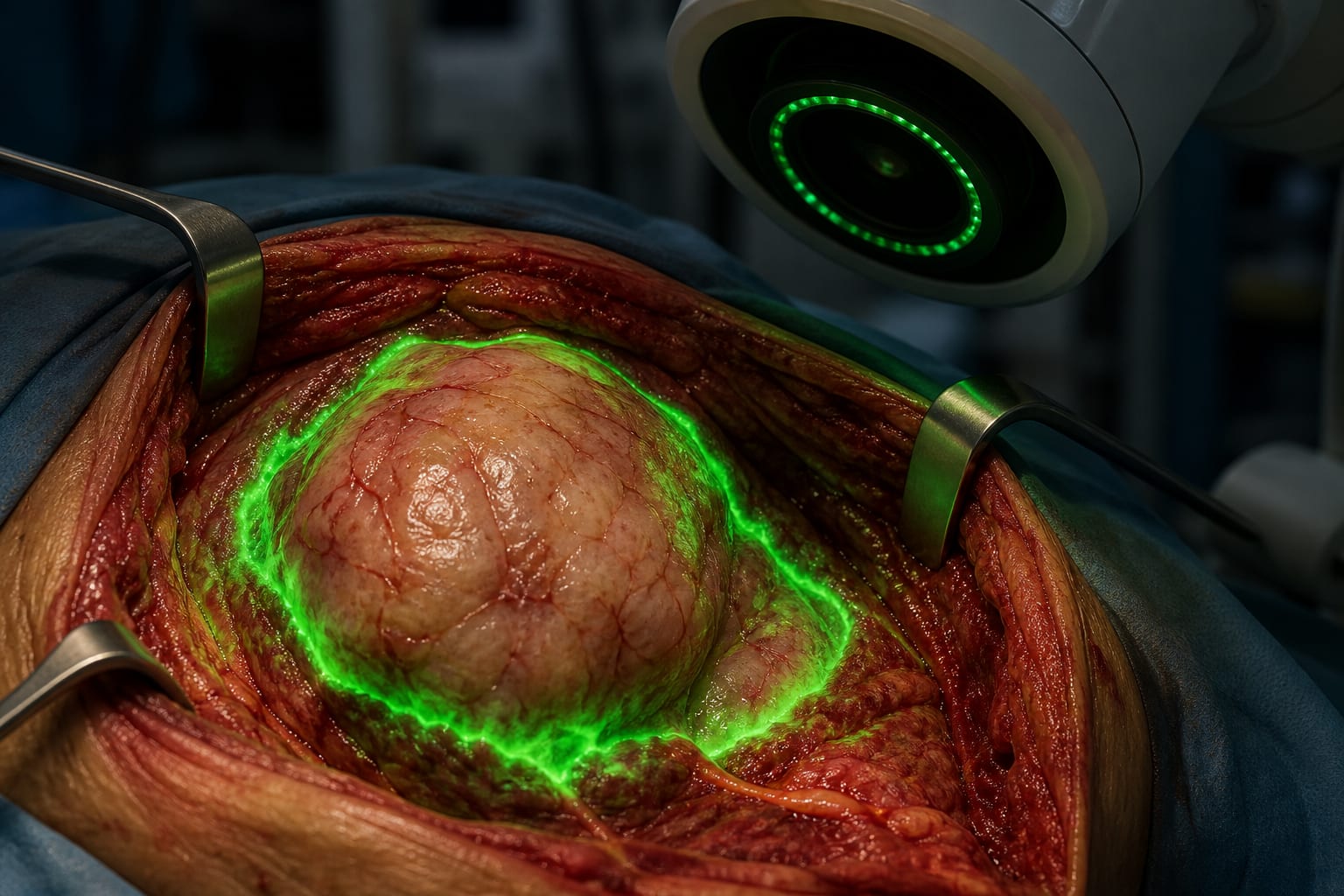
To investigate the efficacy of a new functional 125Iodine brachytherapy stent (IBS) in treating Superior Vena Cava Syndrome (SVCS) caused by malignant lung tumors, specifically comparing its effectiveness to conventional SVC stenting methods.
Key Findings:
The IBS group showed improved outcomes in terms of stent patency compared to the conventional stent group, with a statistically significant increase in duration of patency.
No significant differences in baseline characteristics between the two groups.
The IBS technique was successfully implemented through jugular or femoral vein approaches.
Interpretation:
The use of 125Iodine brachytherapy stents may enhance the management of SVCS in lung cancer patients by prolonging stent patency, potentially leading to improved patient outcomes and quality of life.
Limitations:
Retrospective design may introduce selection bias, affecting the reliability of the findings.
Single-center study limits generalizability of findings to broader populations.
Small sample size may affect statistical power and the robustness of conclusions drawn.
Conclusion:
The study suggests that the IBS technique is a promising approach for treating SVCS in lung cancer patients, warranting further research to confirm its efficacy and safety, particularly in larger, multi-center trials.
U.S. News & World Report has recognized Dana-Farber/Boston Children’s Cancer and Blood Disorders Center as the #1 pediatric cancer program in the nation in its 2026-2027 Best Children’s Hospitals report.