To provide an overview of the anatomy and physiology of epicardial adipose tissue (EAT), discuss imaging techniques for EAT assessment, explore the association between EAT and cardiovascular diseases (CVDs), and describe its clinical application as a biomarker and potential therapeutic target, emphasizing its significance in CVDs.
Approach:
Key Findings:
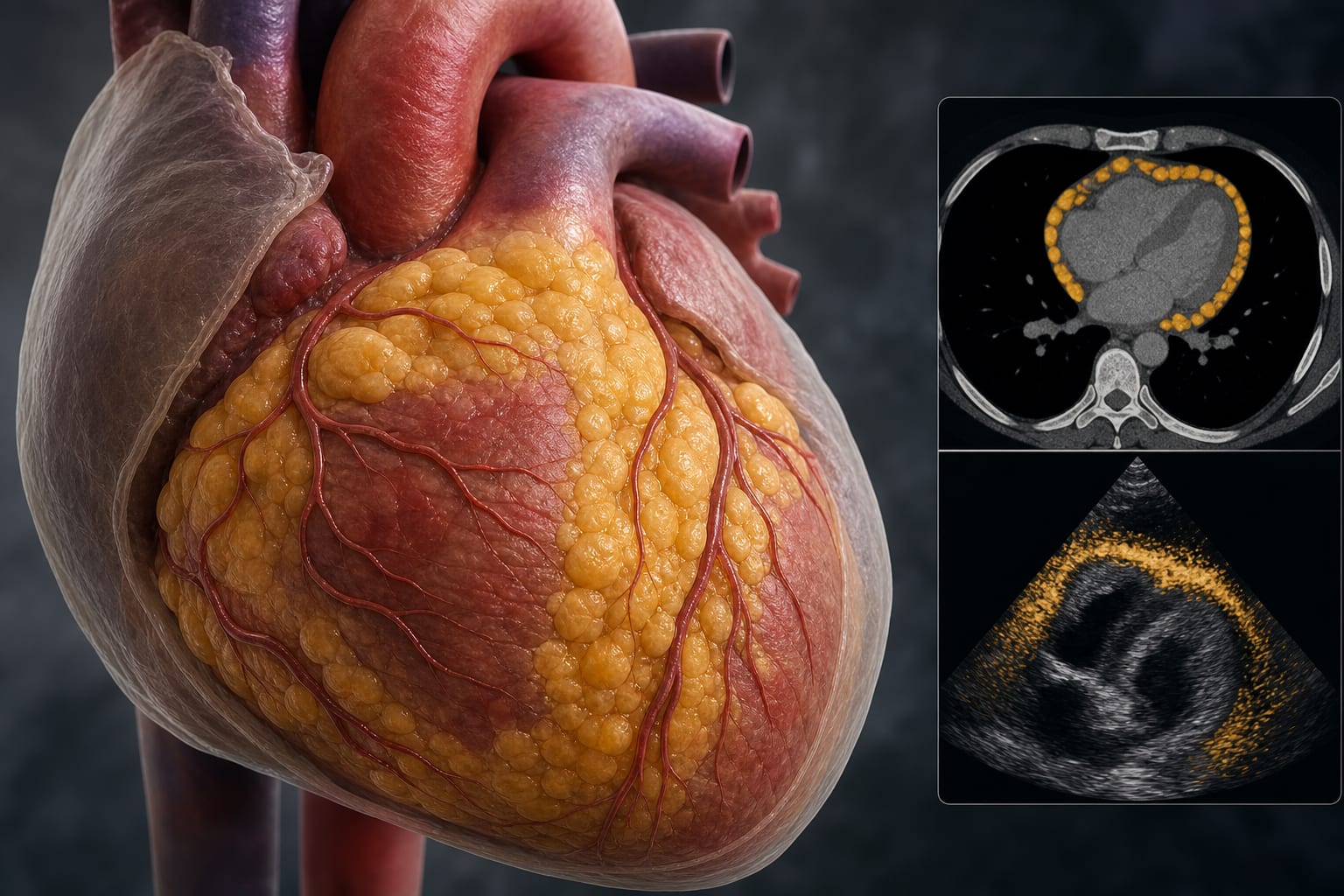
EAT is a distinct adipose depot with unique properties and a significant role in cardiovascular health.
EAT can exert both protective and detrimental effects on the myocardium depending on physiological or pathological conditions.
Imaging techniques like echocardiography, CT, and MRI are essential for assessing EAT, each with its advantages and limitations.
EAT-derived extracellular vesicles may play a role in intercellular communication and the progression of cardiovascular diseases.
Interpretation:
EAT is increasingly recognized as a significant factor in cardiovascular health, with potential implications for diagnosis and treatment.
Limitations:
The specific molecular pathways linking EAT to cardiovascular diseases remain unclear, which limits targeted therapeutic strategies.
Echocardiography, while accessible, has limitations in volumetric assessment and operator variability, affecting consistency in results.
Conclusion:
EAT is a promising area of research for understanding and potentially targeting cardiovascular diseases, with significant implications for clinical practice.