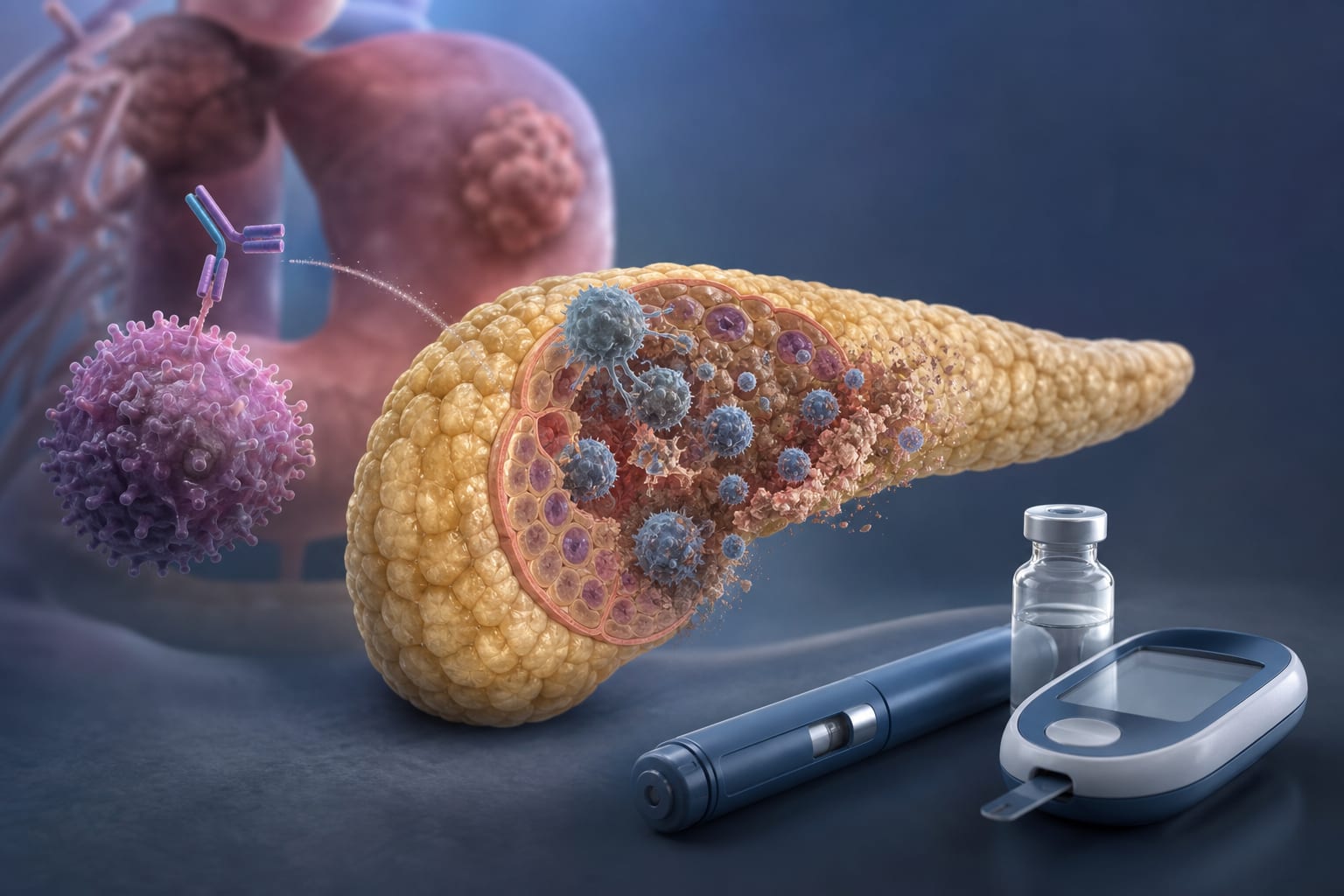
To analyze the clinical diagnosis and treatment process of a patient with immune checkpoint inhibitor-induced type 1 diabetes mellitus (ICI-T1DM) and summarize the clinical characteristics, pathogenesis, and management strategies of ICI-related diabetes based on a case report and literature review.
Approach:
Case Report: A 69-year-old female patient with poorly differentiated adenocarcinoma developed ICI-T1DM during treatment with Sintilimab and the SOX regimen. Insulin therapy was initiated, and blood glucose levels stabilized after adjustments to her insulin regimen.
Literature Review: The article reviews the pathogenesis, diagnostic challenges, and treatment status of ICI-T1DM, emphasizing the need for enhanced blood glucose monitoring during immune checkpoint inhibitor therapy.
Key Findings:
The incidence of ICI-T1DM is low (0.2%-1.4%), but the damage to pancreatic β cells is irreversible.
Steroid treatment is ineffective in reversing β-cell function loss and may worsen insulin resistance.
The patient presented with severe hyperglycemia and negative autoantibodies, confirming the diagnosis of ICI-T1DM.
Interpretation:
The case highlights the importance of monitoring for diabetes in patients receiving immune checkpoint inhibitors, as early identification and management are crucial for patient outcomes.
Limitations:
The case report is based on a single patient, limiting generalizability of the findings.
The literature review may not encompass all recent studies on ICI-T1DM, potentially affecting the comprehensiveness of the analysis.
Conclusion:
Monitoring blood glucose levels in patients undergoing treatment with immune checkpoint inhibitors is essential for the timely diagnosis and management of ICI-T1DM.