To explore how technicolor imaging techniques are transforming cancer research by enhancing the visualization of tumor samples and immune cell interactions, ultimately aiming to improve treatment outcomes.
Key Findings:
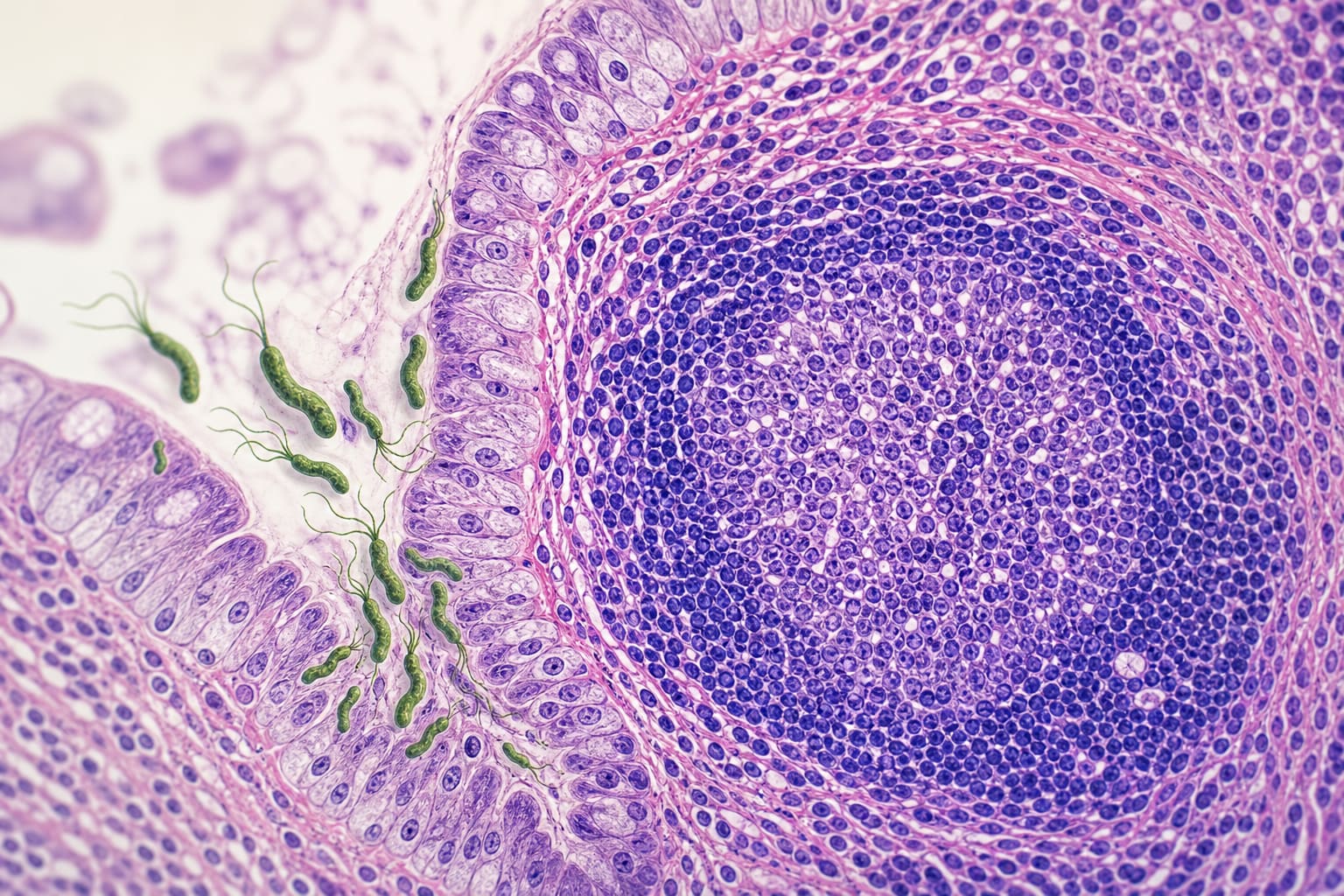
Spatial proteomics allows for the identification of distinct proteins in tumor samples, revealing critical information about immune cell interactions and potential therapeutic targets.
Spatial transcriptomics provides insights into the RNA present in cells, enhancing understanding of cellular functions within the tumor microenvironment and guiding treatment decisions.
Research has shown that T cells in triple-negative breast cancer can be active but are often restricted from entering certain tumor areas, indicating potential new treatment strategies that could enhance immune infiltration.
Interpretation:
The advancements in imaging technologies are crucial for uncovering the complexities of tumor biology and immune interactions, which could lead to more effective cancer treatments and personalized medicine approaches.
Limitations:
The technologies are relatively new, and their full potential is still being explored, necessitating further validation in clinical settings.
Current applications may be limited by the number of available probes and the complexity of tumor microenvironments, which can affect the accuracy of results.
Conclusion:
Technicolor imaging techniques are revolutionizing cancer research by providing comprehensive insights into tumor biology and immune responses, paving the way for innovative therapeutic strategies that could significantly improve patient outcomes.