Conexiant’s news site is now MDSpire News. Learn more
Advertisement
A More Direct Route to Intervention: Baptist Health Expands Surgical Pathways for Drug-Resistant Epilepsy
For patients who continue to have seizures despite appropriate anti-seizure medication therapy, timely referral for surgical evaluation can change the trajectory of care.
To enhance the surgical evaluation and treatment process for patients with drug-resistant epilepsy through advanced technologies.
Approach:
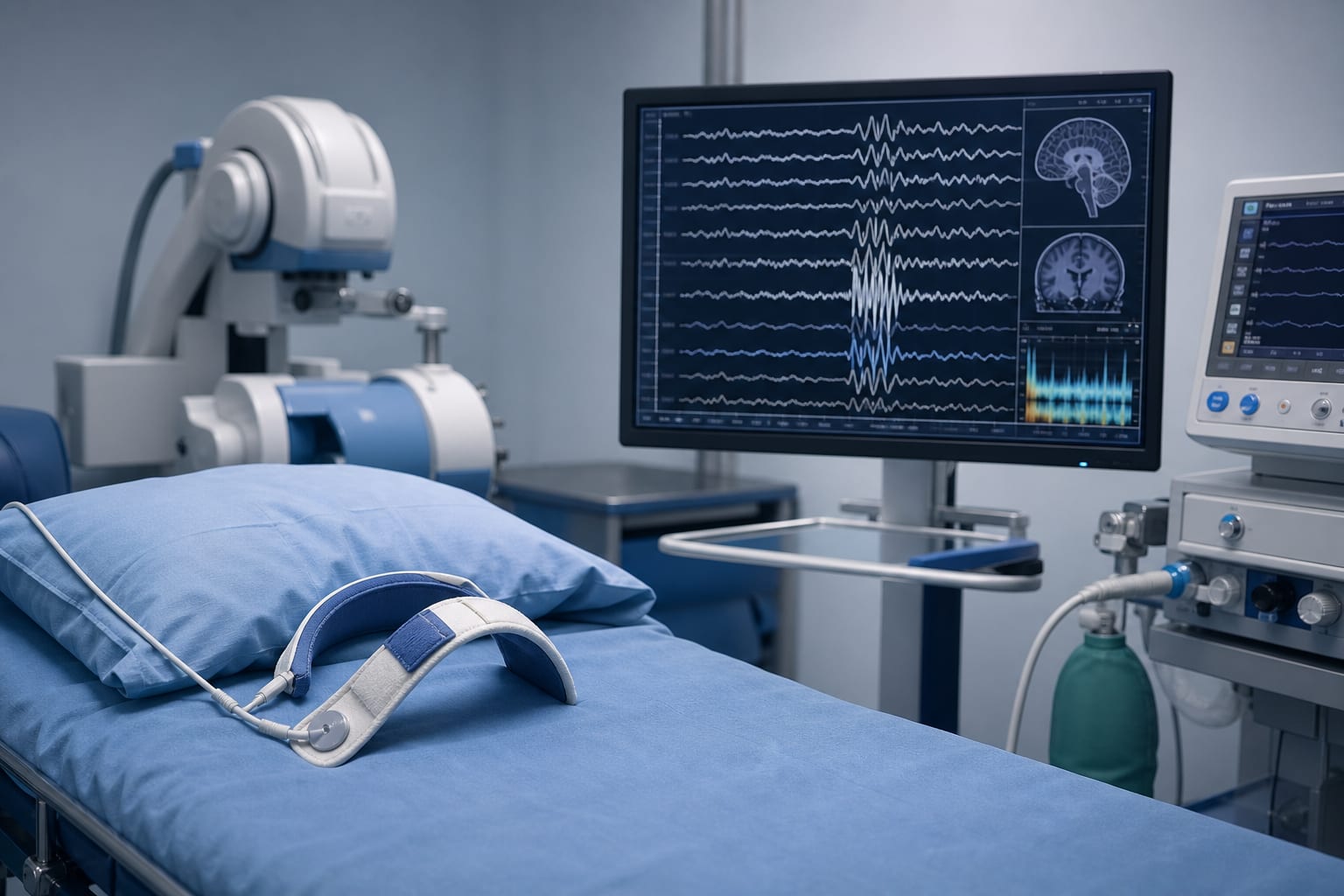
Robotic sEEG: Utilization of robotic stereo EEG (sEEG) to improve localization of seizure origins.
Responsive Neurostimulation: Increasing application of responsive neurostimulation (RNS) for patients ineligible for resection or ablation.
Multidisciplinary Pathway: Implementation of a coordinated multidisciplinary review to optimize the surgical pathway for epilepsy treatment.
Key Findings:
Timely referral for surgical evaluation can significantly change the care trajectory for patients with drug-resistant epilepsy.
Robotic sEEG enhances precision in electrode placement and reduces operative time.
Comprehensive evaluation can identify candidates for various treatment options, including resection, laser ablation, and neuromodulation.
Interpretation:
Identifying seizure origins is essential for determining suitable treatment pathways, which may include surgical options or ongoing medical management.
Limitations:
The article lacks specific data on patient outcomes or success rates associated with the new interventions.
There is no comparative analysis with other epilepsy centers provided.
Conclusion:
Baptist Health Miami Neuroscience Institute is advancing its approach to drug-resistant epilepsy through innovative technologies and collaborative care.