Conexiant’s news site is now MDSpire News. Learn more
Advertisement
Temple Lung Center at ATS 2026: Conference Recap
The American Thoracic Society's 2026 International Conference brought together leading voices in pulmonary, critical care, and sleep medicine — and Temple Health was well represented.
To summarize the presentations and findings from the Temple Lung Center at the American Thoracic Society's 2026 International Conference.
Approach:
Conference Overview: The conference featured over 70 abstracts presented by faculty and fellows from the Temple Lung Center, covering various topics in pulmonary medicine.
Key Presentations: Highlighted presentations included studies on COPD therapeutics, lung cancer screening, pulmonary hypertension, and the role of artificial intelligence in diagnostics.
Key Findings:
Data from a Phase 2 trial demonstrated that pegtarazimod was safe and reduced supplemental oxygen needs in COPD patients.
Pooled results from Phase III trials showed that mepolizumab significantly reduced hospitalization risk for COPD exacerbations across a wide patient spectrum.
Elevated eosinophil counts near conception were linked to increased asthma exacerbations during pregnancy.
Baseline 6-minute walk test heart rate metrics correlated with higher hospital utilization in COPD patients.
Inhaled treprostinil preserved lung function in adults with idiopathic pulmonary fibrosis in a Phase 3 trial.
Disparities in survival rates after lung transplant for SARD-ILD were observed based on race and ethnicity.
Higher corticosteroid doses were associated with shorter hospitalizations in acute exacerbation survivors of SARD-ILD.
Pre-procedural CT analysis identified key factors correlating with pneumothorax risk after bronchoscopic lung volume reduction.
Limitations:
The need for prospective studies to validate findings in larger cohorts was noted.
Disparities in access and outcomes suggest broader systemic issues that require further investigation.
Conclusion:
The conference showcased significant research contributions from the Temple Lung Center, emphasizing the importance of ongoing studies in pulmonary medicine.
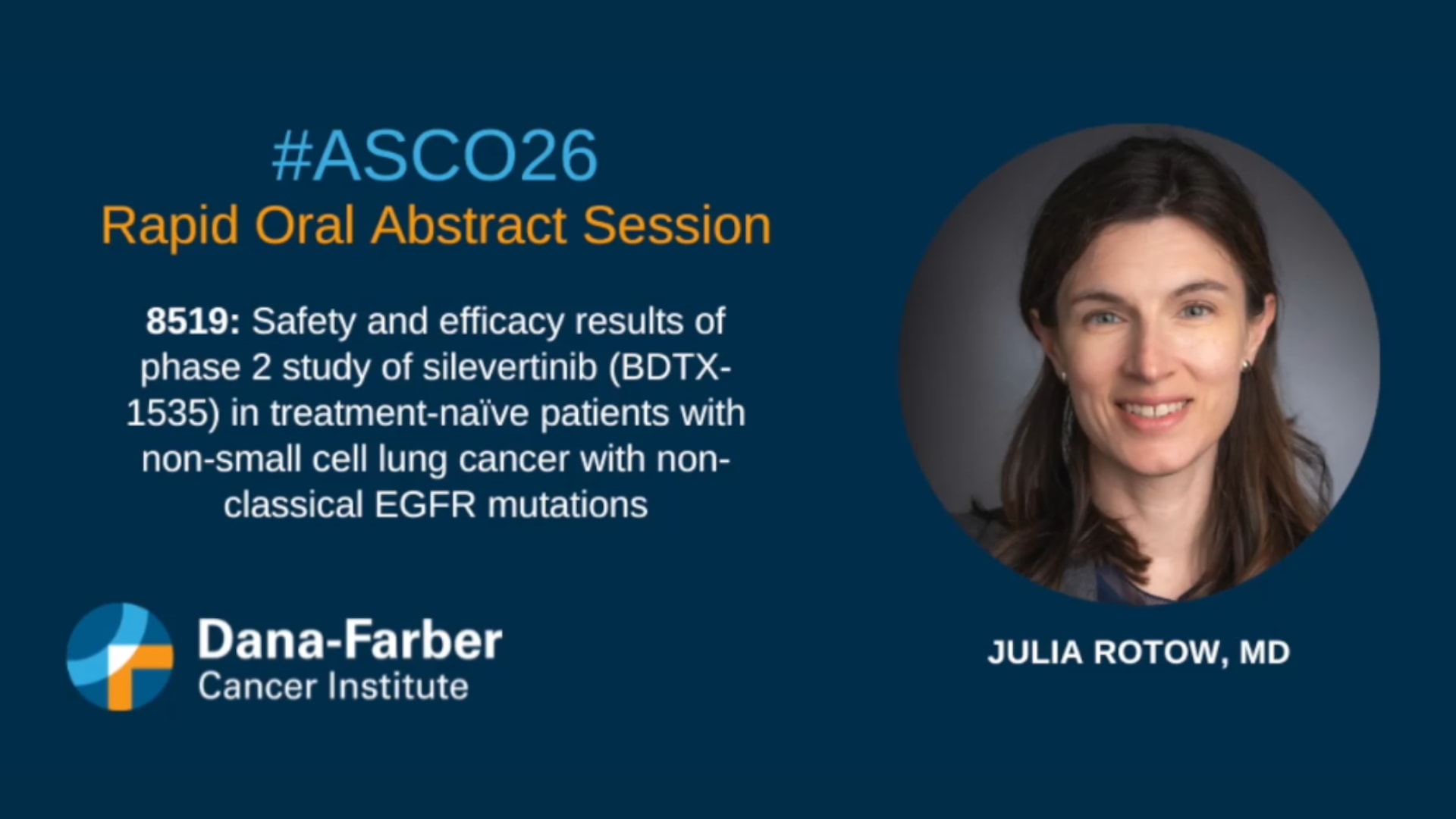
Dana-Farber Cancer Institute's Dr. Julia Rotow reported on a study looking at silevertinib, with data showing it may offer a new first-line option for hard-to-treat EGFR non-small cell lung cancer variants, with encouraging brain activity and manageable side effects.