Conexiant’s news site is now MDSpire News. Learn more
Advertisement
Facial Nerve Regeneration: Latest Advances in Surgical Reinnervation
Facial nerve disorders impact approximately 30 out of 100,000 adults in the U.S. annually. Common causes of damage to the facial nerve and subsequent facial paralysis include Bell’s palsy, cancerous tumors, acoustic neuromas and iatrogenic complications.
To discuss novel approaches to facial nerve repair and regeneration.
Approach:
Nerve Regeneration Environment: Focus on reconnecting cut nerve 'wires' and supporting their growth, emphasizing the importance of timely intervention to prevent muscle atrophy and miswiring.
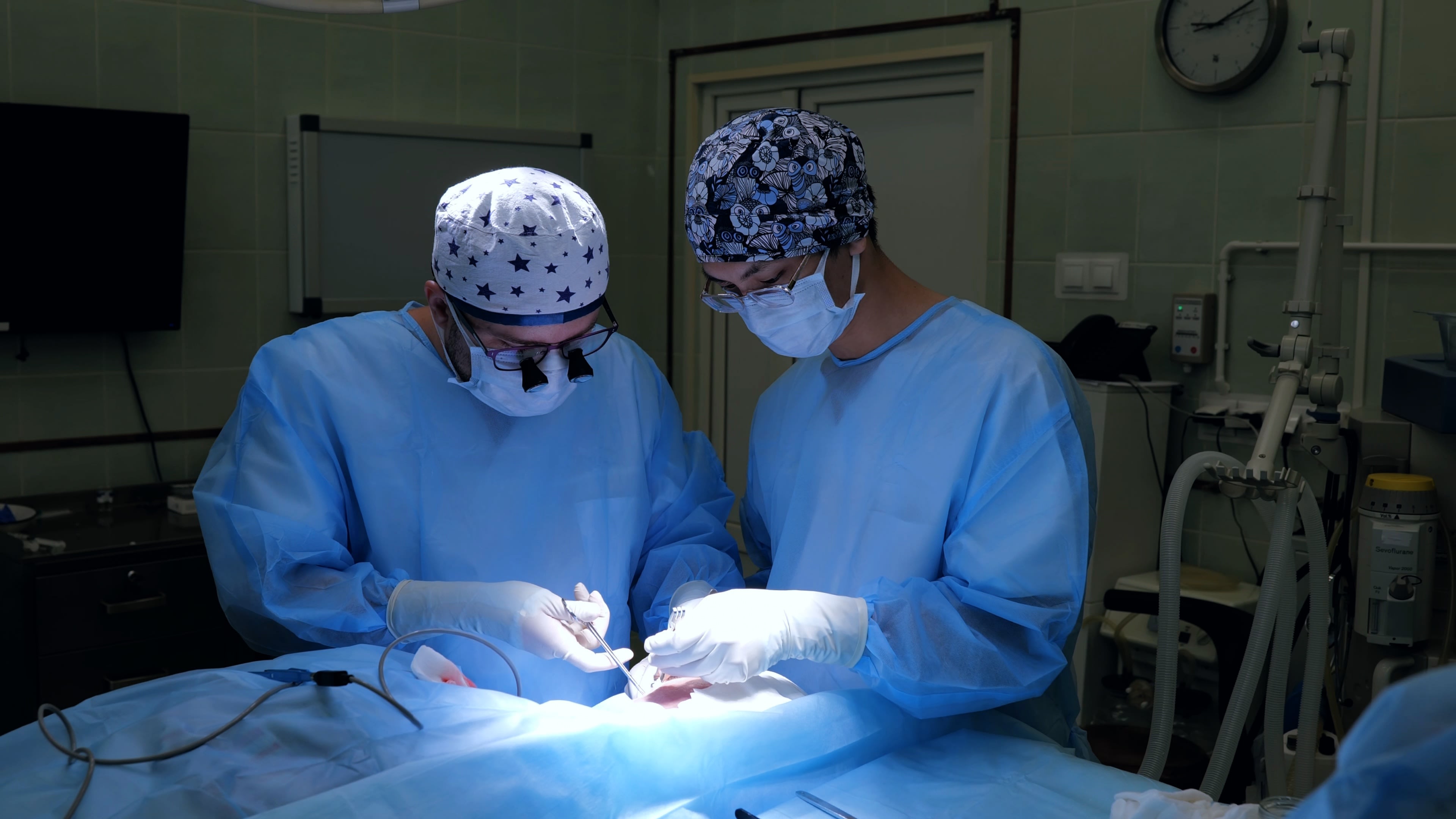
Surgical Techniques: Utilization of bioengineered nerve conduits and porcine nerve wraps to facilitate nerve regrowth and create an optimal environment for regeneration.
Nerve Grafts and Transfers: Employing nerve transfers from other cranial nerves to provide input for facial motion, minimizing risks associated with traditional methods.
Multidisciplinary Care: Highlighting the necessity of specialized physical therapy and neuromuscular retraining for optimal recovery post-surgery.
Key Findings:
Facial nerve disorders affect approximately 30 out of 100,000 adults in the U.S. annually.
Many patients do not regain full facial function or symmetry after nerve damage.
Leaving a small gap between nerve endings during reconnection promotes better regrowth.
Nerve wraps can deliver growth factors to support nerve regeneration.
A multidisciplinary approach is essential for effective recovery.
Interpretation:
Recent advancements in surgical techniques and rehabilitation strategies are enhancing the prospects for patients with facial nerve injuries.
Limitations:
The article does not provide specific data on success rates of new techniques.
Limited discussion on long-term outcomes of these surgical interventions.
Conclusion:
The focus on innovative surgical techniques and comprehensive care aims to improve the quality of life for patients with facial nerve disorders.
A VHA study across 11 vendors finds AI-generated primary care notes score lower than clinician-written notes, with the largest deficits in thoroughness, organization, and usefulness