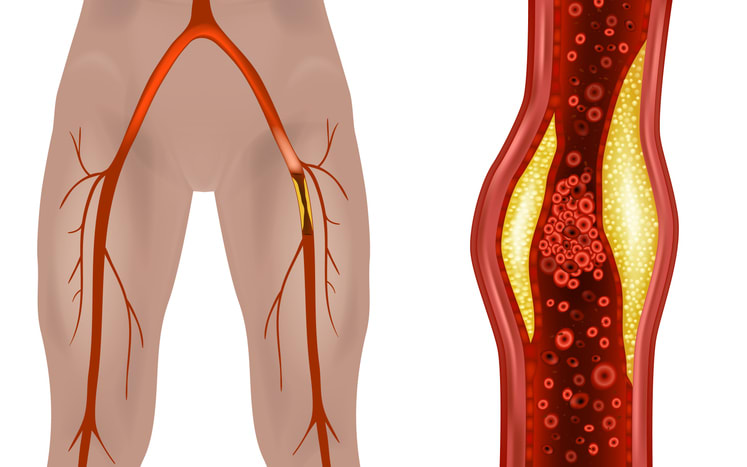
What Referring Physicians Need to Know About Current Peripheral Artery Disease Guidelines - Summary - MDSpire

What Referring Physicians Need to Know About Current Peripheral Artery Disease Guidelines

  • By

  • June 22, 2026

  • 4 min

Share

Objective:

To inform referring physicians about the current guidelines for the identification and management of peripheral artery disease (PAD).

Approach:
    Key Findings:
    • Many patients with PAD are asymptomatic but still at risk for major cardiovascular events.
    • Risk factors for PAD include age, diabetes, smoking, hypertension, dyslipidemia, chronic kidney disease, family history, and known cardiovascular disease.
    • The ankle-brachial index (ABI) is a key diagnostic tool but has limitations in certain populations.
    • Comprehensive vascular testing provides a more complete assessment of vascular health.
    • PAD is a marker of systemic atherosclerotic disease, necessitating broader cardiovascular risk assessment.
    Interpretation:

    The guidelines serve to enhance the quality of care for PAD patients while emphasizing the importance of clinical judgment.

    Limitations:
    • The article does not provide specific data on the prevalence of undiagnosed PAD.
    • Limitations of the ABI in certain populations are acknowledged but not detailed.
    Conclusion:

    Referring physicians are crucial in the early detection and management of PAD, facilitating access to advanced diagnostics and coordinated care.

    Sources:

Original Source(s)

Related Content