Conexiant’s news site is now MDSpire News. Learn more
Advertisement
Esophageal cancer surgery: Bill’s story
Earnest pursuit of a second opinion after a cancer diagnosis is a great “patient-savvy” strategy for optimizing your treatment, recovery and survivorship options
The article recounts William “Bill” Strunk’s esophageal cancer diagnosis, his search for second opinions, surgery at Roswell Park, and postoperative recovery.
Approach:
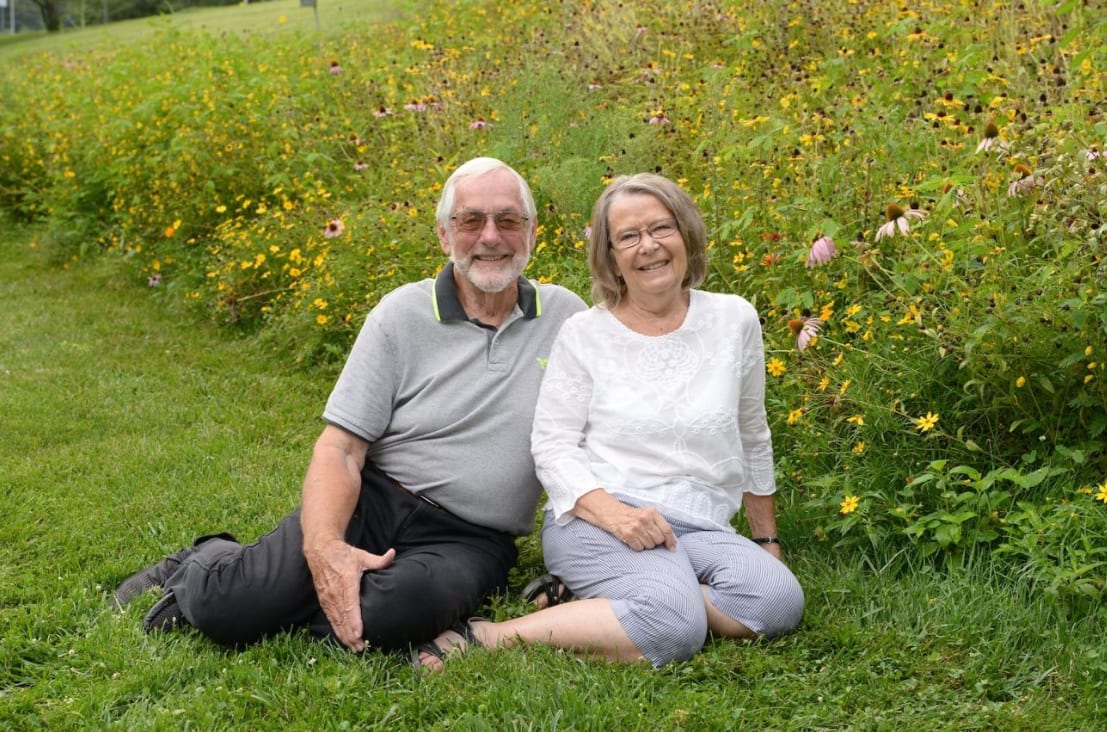
Second opinions: After his diagnosis in Virginia, Bill and Patricia sought opinions from three out-of-state cancer centers before choosing Roswell Park. Bill said the surgeon’s experience and reported case results, along with the center’s ability to perform the operation robotically, influenced their decision.
Surgery: On June 11, Dr. Moshim Kukar and his team performed a seven-hour robot-assisted esophagectomy, removing about five inches from the lower esophagus and reconnecting the stomach.
Recovery: Bill spent six days at Roswell Park after surgery, did not require a feeding tube, and returned home to Virginia after a follow-up appointment. The supplied article text does not specify a scan-review schedule.
Key Findings:
Bill said he did not experience the possible complications discussed before surgery, including pneumonia, kidney consequences, or heart complications.
He spent six days at Roswell Park after surgery and did not require a feeding tube.
Bill said he was advised to eat smaller meals more frequently after surgery.
Interpretation:
Bill and Patricia said they chose Roswell Park in part because of Dr. Kukar’s experience and reported case results and the center’s ability to perform the operation robotically.
Limitations:
This is an individual patient story and does not establish comparative outcomes for robotic versus other surgical approaches.
The article reports Roswell Park’s annual esophagectomy volume and refers to outcomes and complication rates, but the supplied text does not provide detailed supporting data or study methods.
Conclusion:
Roswell Park reports performing about 60 to 70 robotic esophagectomies annually. Bill described his recovery and ongoing follow-up after surgery.
USC researchers develop a scalable cell engineering platform that could overcome key manufacturing and therapeutic limitations of CAR-based immunotherapies